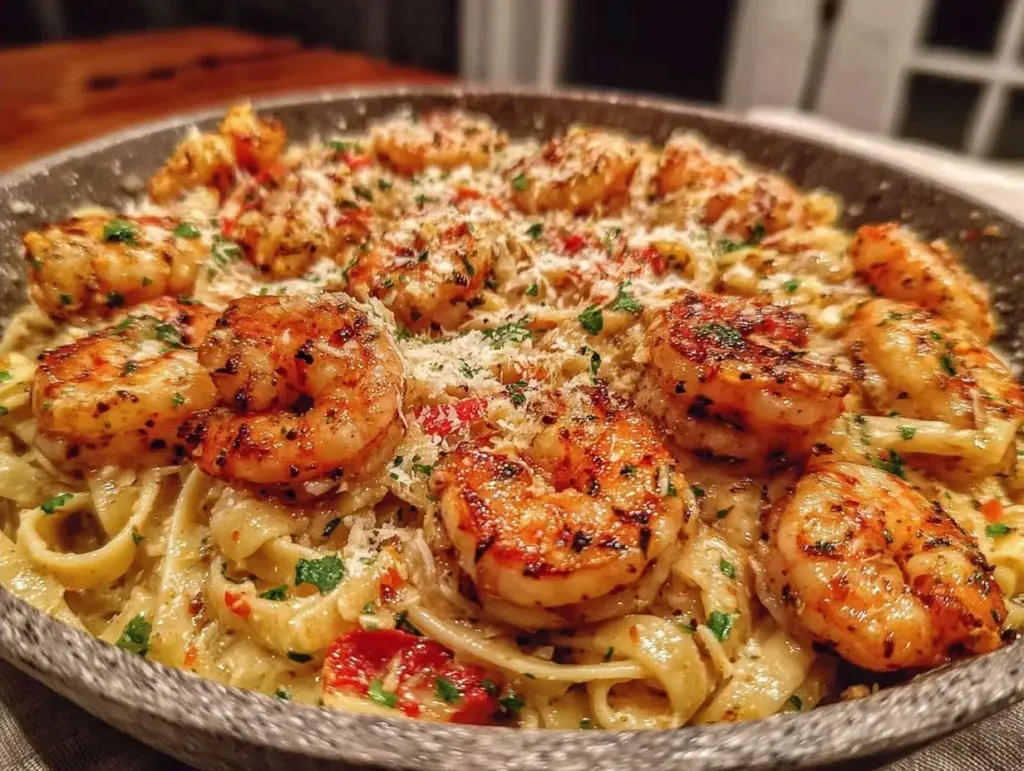
I still remember the night I decided to stop ordering takeout. It wasn’t because I suddenly developed a moral compass against grease and delivery fees. It was because I was standing in my kitchen at 7:30 PM, staring at a half-empty fridge, and I realized I had shrimp, a bottle of cheap white wine, and some linguine. I also had zero energy to wash three different pots and pans.
So I threw it all in one pot. I didn’t have a plan. I just threw garlic in hot oil, tossed in the shrimp, added the pasta and liquid, and waited. When I tasted it? I nearly cried. It was better than the Thai place down the street. It was better than the fancy Italian spot that charges $28 for a plate of food. It was simple, it was fast, and it was completely foolproof.
That night, I discovered my favorite weeknight dinner: One-Pot Shrimp Pasta with Garlic White Wine Sauce. It’s the kind of recipe that makes you feel like a gourmet chef without actually making you one. There’s no juggling pans, no splattering oil across your stove, and no complicated techniques. Just one pot, a few ingredients you probably already have, and a sauce that clings to every noodle.
I’ve made this one-pot shrimp pasta probably fifty times since that random Tuesday. I’ve tweaked the garlic amount (I always use more), swapped the wine for broth when I was driving, and added veggies when I wanted to sneak some greens into my kids’ diet. But the core method? It’s stayed exactly the same. Because once you try this method, you’ll never go back to the “cook pasta, make sauce separately” way of doing things.
If you’re looking for a dinner that tastes expensive but takes ten minutes of active effort, this is it. Seriously. You really can’t mess this up.
Why You’ll Love This One-Pot Shrimp Pasta
There are a million pasta recipes out there. So why this one? Why the one-pot method? Here’s the honest truth about why this garlic wine pasta has become my absolute go-to.
- Minimal Cleanup — This is the biggest selling point. One pot. That’s it. I know how much I love a good meal, but I love a clean kitchen even more. With traditional methods, you’re boiling pasta, sautéing shrimp in one pan, making the sauce in another, and then combining everything. With this one-pot shrimp pasta, you just rinse one pot. It’s a game-changer for lazy nights.
- Flavor Infusion — When you cook pasta directly in the sauce liquid, the starches release into the wine and broth mixture. This creates a natural thickener and binds the flavors together in a way that boiling water never can. The garlic, the wine, the butter—it all penetrates the noodles. The result is a dish that tastes deeply seasoned from the inside out.
- Speed — From opening the bottle of wine to taking the first bite, it’s about 20 minutes. That’s it. I don’t have time for elaborate cooking, and neither do you. This recipe respects your time. It’s not “meal prep” complicated; it’s “throw it in and wait” simple.
- Foolproof Cooking — I’ve seen people struggle with overcooked shrimp or mushy pasta. This method solves both. The shrimp cooks quickly in the hot liquid, and the pasta absorbs the liquid as it softens. You’re essentially simmering them together, which means they finish at the same time. It’s incredibly forgiving. If you leave it on the heat for an extra two minutes, it’s still delicious. If you take it off a minute early, it’s still good.
- Impressive but Simple — When I serve this to friends, they always ask, “What’s the secret ingredient?” They expect a complicated technique. When I tell them it’s just shrimp, garlic, wine, and pasta cooked in one pot, they’re shocked. It feels elegant because of the white wine and the fresh herbs, but it’s built on the simplest possible foundation.
This isn’t just dinner; it’s peace of mind. It’s the meal you make when you want to feel like you put in effort, but you actually didn’t have to. It’s the recipe that saves you when you’re tired, hungry, and not up for a culinary project.
Ingredients You’ll Need
Here’s the best part about this one-pot shrimp pasta: the ingredient list is short. You don’t need a specialty store run. You don’t need obscure spices. You just need good basics. I’m particular about a few things here, but mostly, you can use what you have.
For the Pasta & Liquid:
- Uncooked pasta (8-10 oz / 225-280g) — I use linguine or spaghetti, but fettuccine works too. The key is using a shape that fits in your pot. I like long pasta because it looks beautiful, but you can break it in half if your pot is small. Do not use pre-cooked or instant noodles. You need dry pasta to absorb the sauce.
- Chicken or vegetable broth (1.5 cups / 360ml) — This is your base liquid. I use low-sodium broth so I can control the saltiness. If you’re doing a vegetarian version, use vegetable broth. This provides the savory backbone of the dish.
- White wine (½ cup / 120ml) — This is the “wine” in the garlic wine sauce. You don’t need expensive wine. A crisp Sauvignon Blanc or Pinot Grigio is perfect. If you don’t drink alcohol, you can substitute with an extra ½ cup of broth plus a tablespoon of lemon juice for acidity. But honestly? The wine makes a huge difference.
- Water (½ cup / 120ml) — We use a little water to top off the liquid. This ensures there’s enough moisture for the pasta to cook without the alcohol burning off too quickly.
For the Flavor & Shrimp:
- Shrimp (1 lb / 450g) — Use raw, peeled, and deveined shrimp. Medium or large size works best. Look for “wild-caught” if you can find it—they have better texture. If you’re frozen, thaw them completely and pat them very dry. Wet shrimp will steam instead of sear.
- Garlic (6-8 cloves, minced) — Yes, that many. This is a garlic pasta. Don’t be shy. Fresh garlic is non-negotiable here. Jarred garlic has a metallic taste that clashes with the delicate wine. Mince it finely so it distributes evenly.
- Butter (2 tablespoons) — Unsalted is better so you control the salt. This adds richness and helps emulsify the sauce. Olive oil works too, but butter gives that classic restaurant-style finish.
- Red pepper flakes (½ teaspoon) — Optional, but recommended. A little heat cuts through the richness of the butter and wine. Adjust to your spice tolerance.
- Red pepper flakes (½ teaspoon) — Optional, but recommended. A little heat cuts through the richness of the butter and wine. Adjust to your spice tolerance.
For the Finish:
- Parmesan cheese (¼ cup, grated) — Freshly grated from a block. Pre-grated cheese has anti-caking agents that prevent it from melting smoothly. A little Parmesan at the end adds umami and saltiness.
- Fresh parsley (2 tablespoons, chopped) — Adds color and a fresh, grassy note. Dried parsley doesn’t work here; it needs to be fresh.
- Lemon juice (1 tablespoon) — A splash of acid at the end brightens everything up. It balances the heavy garlic and butter. Don’t skip this.
- Salt and black pepper — To taste. Remember, the broth and Parmesan are salty, so taste before adding extra salt.
Pro Tip: I keep a bag of frozen shrimp in my freezer at all times. It makes this one-pot shrimp pasta possible on any random Tuesday. If you don’t have shrimp, this method works great with grilled chicken breast too, just chop the chicken into bite-sized pieces.
Equipment Needed
You don’t need fancy gadgets for this. Here’s what I actually use in my kitchen.
- Large Deep Skillet or Dutch Oven — This is the most important tool. You need enough surface area for the shrimp to cook evenly and enough depth to hold the liquid without boiling over. I use a 12-inch stainless steel skillet. If your pot is too small, the pasta will clump. If it’s too shallow, the liquid will evaporate before the pasta cooks.
- Tongs or Spatula — For stirring the pasta and flipping the shrimp. Tongs are easier for tossing the noodles.
- Measuring Cups and Spoons — Standard stuff. I’m not a fan of eyeballing liquids in one-pot recipes because the ratio of liquid to pasta is critical. Get it right, and the pasta cooks perfectly. Get it wrong, and you’ll have crunchy noodles or soupy sauce.
- Garlic Press or Sharp Knife — For mincing the garlic. A press is faster; a knife is more traditional. Both work.
- Microplane or Box Grater — For the Parmesan. Grate it yourself. It’s worth the 30 seconds.
Note: I’ve tried making this in a regular pot, but the pasta sticks to the bottom because there’s less surface area for evaporation. A wide skillet is better. If you only have a pot, just keep a closer eye on the heat.
How to Make It: Step-by-Step
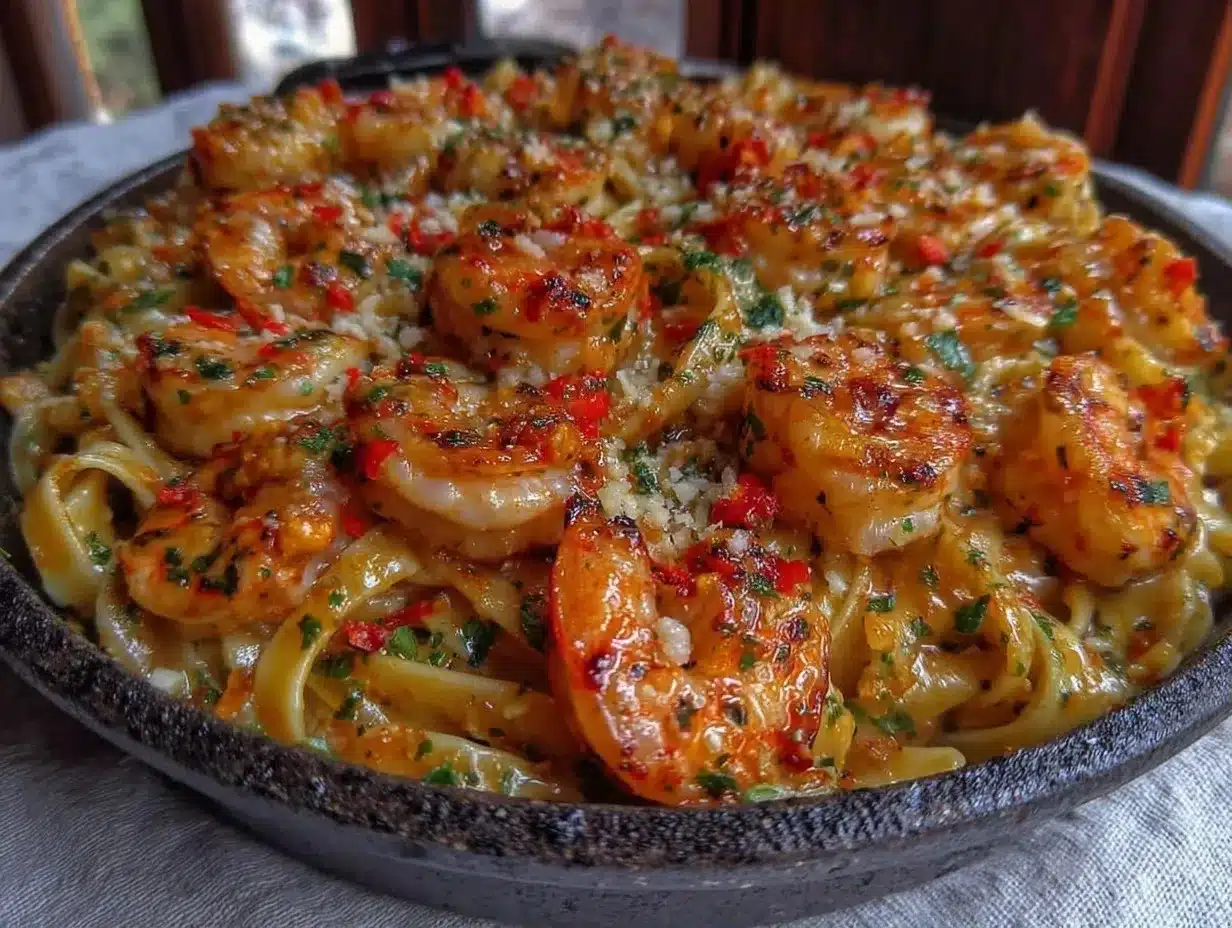
Alright, let’s make this! I’m walking you through exactly how I do it. It’s simple, but there are a few tricks to keep the shrimp tender and the pasta creamy.
Step 1: Prep Your Ingredients (5 minutes)
Before you turn on the stove, get everything ready. Mince the garlic. Chop the parsley. Measure out the broth, wine, and water. If your shrimp are frozen, make sure they’re thawed and patted dry. This recipe moves fast once you start cooking, and you don’t want to be fumbling with a bag of frozen shrimp while the garlic burns.
Step 2: Sauté the Aromatics (2 minutes)
Heat the butter and a tablespoon of olive oil in your large skillet over medium heat. Once the butter is foamy, add the minced garlic and red pepper flakes. Stir constantly for about 30-60 seconds. You want the garlic to be fragrant and golden, not brown. Browned garlic tastes bitter. If it starts to darken, turn the heat down immediately.
Step 3: Add the Shrimp (3-4 minutes)
Add the shrimp to the skillet in a single layer if possible. Season them lightly with salt and pepper. Let them cook undisturbed for 1-2 minutes until the bottoms turn pink. Then flip them. They should be cooked through in about 3-4 minutes total. Remove the shrimp from the pot and set them aside on a plate. Don’t leave them in the pot! If you cook them with the pasta, they’ll get rubbery and overcooked.
Step 4: Combine Pasta and Liquid (10-12 minutes)
In the same skillet (don’t clean it! that garlic flavor is gold), add the uncooked pasta, broth, white wine, and water. Stir well to scrape up any browned bits from the bottom of the pan. These bits are flavor bombs. Bring the liquid to a boil, then reduce the heat to a steady simmer.
Stir the pasta frequently, especially in the first few minutes, to prevent sticking. The pasta will absorb the liquid as it cooks. You’ll see the sauce start to thicken and become starchy. This usually takes 10-12 minutes, depending on your pasta shape. Taste a noodle at the 10-minute mark. It should be tender but still have a slight bite (al dente).
Step 5: Finish the Sauce (2 minutes)
Once the pasta is cooked and most of the liquid has been absorbed (you want a creamy, loose sauce, not a dry dish), return the shrimp to the pot. Add the lemon juice and half of the Parmesan cheese. Stir gently to combine. The residual heat will warm the shrimp through and melt the cheese into the sauce.
Taste the sauce. Does it need more salt? More pepper? A squeeze of lemon? Adjust now. This is your last chance to fix anything.
Step 6: Serve
Remove from heat. Sprinkle with the remaining Parmesan and fresh parsley. Serve immediately while hot. The sauce will thicken slightly as it sits, so don’t wait too long to eat.
Total Time: About 20 minutes (5 minutes prep, 15 minutes cooking).
Troubleshooting:
- Sauce too thick? Add a splash of hot water or broth. The starch in the pasta needs liquid to stay glossy.
- Sauce too thin? Let it simmer for another 2 minutes. The pasta will continue to absorb liquid.
- Shrimp rubbery? You overcooked them. Remember, they cook fast. Remove them early and add them back at the very end.
Expert Tips & Tricks
Here’s everything I’ve learned from making this one-pot shrimp pasta dozens of times. These tips will save you from my early mistakes.
- Don’t Overcook the Shrimp — This is the #1 mistake. Shrimp cook in 2-3 minutes. If you leave them in the pot while the pasta boils for 12 minutes, they’ll be like rubber bands. Always remove them first, cook the pasta, then add them back at the end just to warm through.
- Use the Right Amount of Liquid — The ratio is roughly 2 cups of liquid for every 8 ounces of pasta. If you use less, the pasta won’t cook. If you use more, you’ll have soup. Stick to the measurements.
- Stir Frequently — Pasta releases starch. If you don’t stir, it sticks to the bottom of the pot and burns. Stir every 2-3 minutes. It’s not a lot of work.
- Save Some Pasta Water — If your sauce looks too thick or clumpy at the end, add a splash of the starchy cooking liquid. It helps emulsify the butter and wine into a silky sauce.
- Acid is Key — The lemon juice at the end isn’t just for flavor. It cuts through the richness of the butter and shrimp, making the whole dish taste brighter and less heavy.
Variations & Substitutions
Once you’ve nailed the basic version, here’s how you can mix it up. I’ve tried all of these.
- Veggie-Loaded — Add chopped spinach or kale in the last 2 minutes of cooking. It wilts right into the sauce. I also love adding sun-dried tomatoes for a burst of sweetness.
- Creamy Version — Stir in ¼ cup of heavy cream or cream cheese at the end for a richer, Alfredo-style sauce. It’s indulgent and delicious.
- Spicy Kick — Add more red pepper flakes or a dash of hot sauce. Or use spicy sausage instead of shrimp (though that changes the protein).
- Gluten-Free — Use gluten-free pasta. Most shapes work well in one-pot recipes, but check the package instructions for liquid ratios, as GF pasta can be thirstier.
- Chicken Swap — If you don’t like seafood, use diced chicken breast. Cook it in the butter first, remove it, then cook the pasta, and add the chicken back at the end. This one-pan dinner method works with many proteins.
Serving & Storage
How to Serve: I usually serve this straight from the skillet. It looks rustic and inviting. Pair it with a simple green salad and crusty bread to soak up the extra sauce. A glass of the same white wine you cooked with is perfect.
Storage: Store leftovers in an airtight container in the fridge for up to 3 days. The pasta will absorb more liquid, so it might look dry.
Reheating: Add a splash of water or broth to the skillet or microwave-safe bowl. Heat gently over low heat, stirring frequently, until warmed through. The sauce will loosen up and become creamy again. Do not microwave on high for too long, or the shrimp will get tough.
Freezing: I don’t recommend freezing this. The dairy in the sauce can separate, and the shrimp texture changes. It’s best enjoyed fresh.
Nutrition Information
I’m not a nutritionist, but here’s the breakdown if you’re tracking. This is a balanced meal with protein, carbs, and healthy fats.
Per Serving (based on 4 servings):
- Calories: 450
- Protein: 35g
- Carbs: 45g
- Fat: 15g
- Fiber: 2g
What’s Good: High in protein from the shrimp. The wine adds antioxidants (in moderation). It’s a complete meal.
What to Know: Contains alcohol (mostly cooked off, but not zero), gluten, and dairy. Sodium content depends on your broth choice.
My Take: This is comfort food, but a lighter version. It’s not a diet meal, but it’s not heavy like a cream-heavy Alfredo. The wine and lemon keep it feeling fresh.
Final Thoughts
So that’s my go-to one-pot shrimp pasta! I know I’ve talked about how simple it is, but that’s the point. When you can make a restaurant-quality meal in one pot, in 20 minutes, you win. You win at dinner. You win at cleanup. You win at life.
This recipe has saved me on nights when I was too tired to think, too broke to order out, and too hungry to wait. It’s reliable, it’s delicious, and it’s forgiving. Make it yours! Add more garlic if you love it. Add veggies if you want to. Swap the wine for broth if you’re driving. The base is solid.
If you make this, drop a comment and let me know what you think! I love hearing how recipes turn out in your kitchen. And if something doesn’t work, tell me that too—I’m here to help troubleshoot.
Happy cooking! And I hope your kitchen smells half as good as mine does right now.
Frequently Asked Questions
Can I use red wine instead of white wine?
You can, but it will change the flavor profile significantly. Red wine is more tannic and heavy. It will make the sauce darker and richer. If you use red wine, reduce the amount to ¼ cup and add extra broth, as red wine can overpower the delicate shrimp flavor. White wine is best for this specific recipe.
Why is my pasta still hard?
You probably didn’t use enough liquid, or you didn’t cook it long enough. Pasta needs to absorb liquid to soften. If the liquid evaporates before the pasta is done, add a splash of hot water and keep cooking. Also, make sure you’re stirring occasionally so the pasta doesn’t stick to the bottom and burn.
Can I make this ahead of time?
Not really. Pasta continues to absorb liquid even after you take it off the heat. If you make it ahead, it will turn into a solid block of starch by dinner time. Best to make it fresh. You can prep the ingredients (chop garlic, measure liquids) ahead of time, though.
Why did my sauce separate?
This usually happens if you add the cheese while the pan is still on high heat. High heat can cause the fats in the cheese and butter to separate. Always remove the pan from the heat before adding the Parmesan, and stir gently. The residual heat is enough to melt it.
Can I use frozen shrimp?
Yes, but you must thaw them completely and pat them very dry with paper towels. If the shrimp are wet, they’ll release water into the pot, which will dilute your sauce and make it watery. Dry shrimp sear better and taste better.
Is this recipe gluten-free?
The base recipe is not, because of the pasta. But you can easily make it gluten-free by using your favorite gluten-free pasta. Just check the package instructions, as some GF pastas cook faster or require more liquid.
What wine should I use?
Stick to dry, crisp white wines. Sauvignon Blanc, Pinot Grigio, or Vermentino are great choices. Avoid sweet wines or oaky Chardonnays, as they can make the sauce taste heavy or cloying. And remember, you don’t need expensive wine. If you wouldn’t drink it, don’t cook with it.
Pin This Recipe!
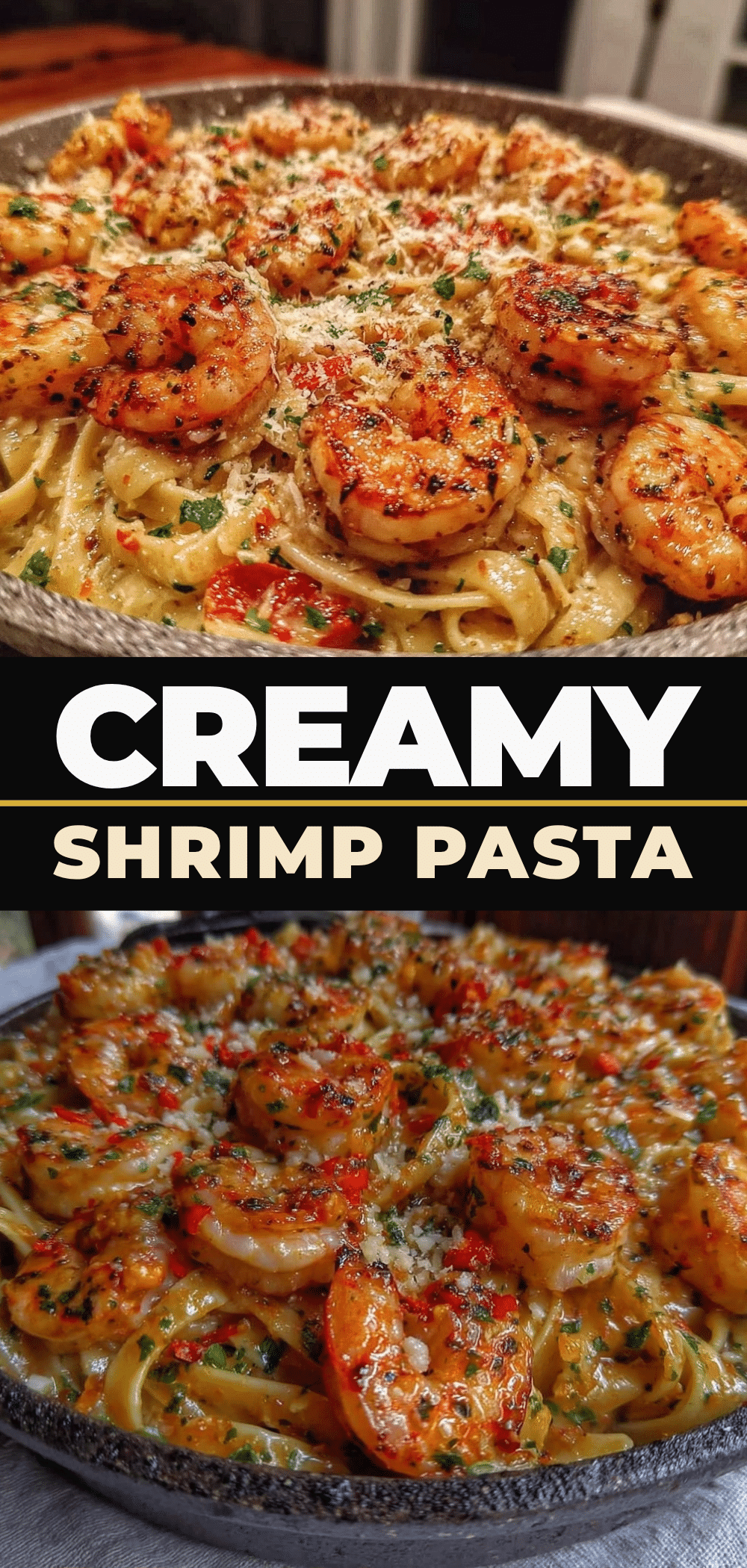
One-Pot Shrimp Pasta with Garlic White Wine Sauce
- Total Time: 20 minutes
- Yield: 4 servings 1x
Description
A quick, foolproof weeknight dinner that cooks shrimp and pasta in a single pot with garlic, white wine, and butter for a restaurant-quality meal in just 20 minutes.
Ingredients
- 8–10 oz (225-280g) uncooked linguine or spaghetti
- 1 lb (450g) raw, peeled, and deveined shrimp
- 6–8 cloves garlic, minced
- 2 tablespoons unsalted butter
- 1 tablespoon olive oil
- 1.5 cups (360ml) low-sodium chicken or vegetable broth
- ½ cup (120ml) dry white wine (e.g., Sauvignon Blanc or Pinot Grigio)
- ½ cup (120ml) water
- ½ teaspoon red pepper flakes
- ¼ cup (60ml) freshly grated Parmesan cheese
- 2 tablespoons fresh parsley, chopped
- 1 tablespoon lemon juice
- Salt and black pepper to taste
Instructions
- Prep ingredients: Mince garlic, chop parsley, and measure liquids. Ensure shrimp are thawed and patted dry.
- Heat butter and olive oil in a large deep skillet over medium heat. Add garlic and red pepper flakes, stirring constantly for 30-60 seconds until fragrant but not brown.
- Add shrimp to the skillet in a single layer. Season with salt and pepper. Cook undisturbed for 1-2 minutes until bottoms turn pink, then flip. Cook for 3-4 minutes total until done. Remove shrimp and set aside.
- In the same skillet, add uncooked pasta, broth, white wine, and water. Stir to scrape up browned bits from the bottom.
- Bring liquid to a boil, then reduce heat to a steady simmer. Stir frequently for 10-12 minutes until pasta is al dente and liquid has thickened.
- Return shrimp to the pot. Add lemon juice and half of the Parmesan cheese. Stir gently to combine and warm shrimp through.
- Taste and adjust seasoning with salt, pepper, or more lemon juice if needed.
- Remove from heat. Sprinkle with remaining Parmesan and fresh parsley. Serve immediately.
Notes
Do not overcook the shrimp; remove them early to prevent rubberiness. If the sauce is too thick, add a splash of hot water or broth. If using frozen shrimp, ensure they are completely thawed and patted dry. For a vegetarian version, use vegetable broth and omit shrimp.
- Prep Time: 5 minutes
- Cook Time: 15 minutes
- Category: Main Course
- Cuisine: Italian
Nutrition
- Serving Size: 1 plate
- Calories: 450
- Sugar: 2
- Sodium: 600
- Fat: 15
- Saturated Fat: 6
- Carbohydrates: 45
- Fiber: 2
- Protein: 35
Keywords: one-pot shrimp pasta, garlic wine pasta, quick dinner, weeknight meals, easy shrimp recipe, one-pot dinner, garlic pasta