My kitchen is tiny. I mean, I can barely turn around without hitting the fridge door. And for years, I avoided anything with “gnocchi” in the name. Not because I don’t love them—they are pillowy clouds of comfort, after all—but because the math never worked. A standard box of gnocchi feeds four people. My household feeds one. Two, if I’m feeling generous or have a guest over. That meant every time I made gnocchi, I was staring at a Tupperware container of leftover pasta for three days straight. By day two, the gnocchi had turned into sad, starchy bricks that tasted like regret.
Then last October, I was scrolling through recipes looking for something warm and cozy to combat the rainy weather, and I realized I didn’t need a new recipe. I needed a new ratio. That’s when I decided to make fall brown butter sage gnocchi specifically for one. Just one serving. No scaling down charts, no dividing boxes, no waste.
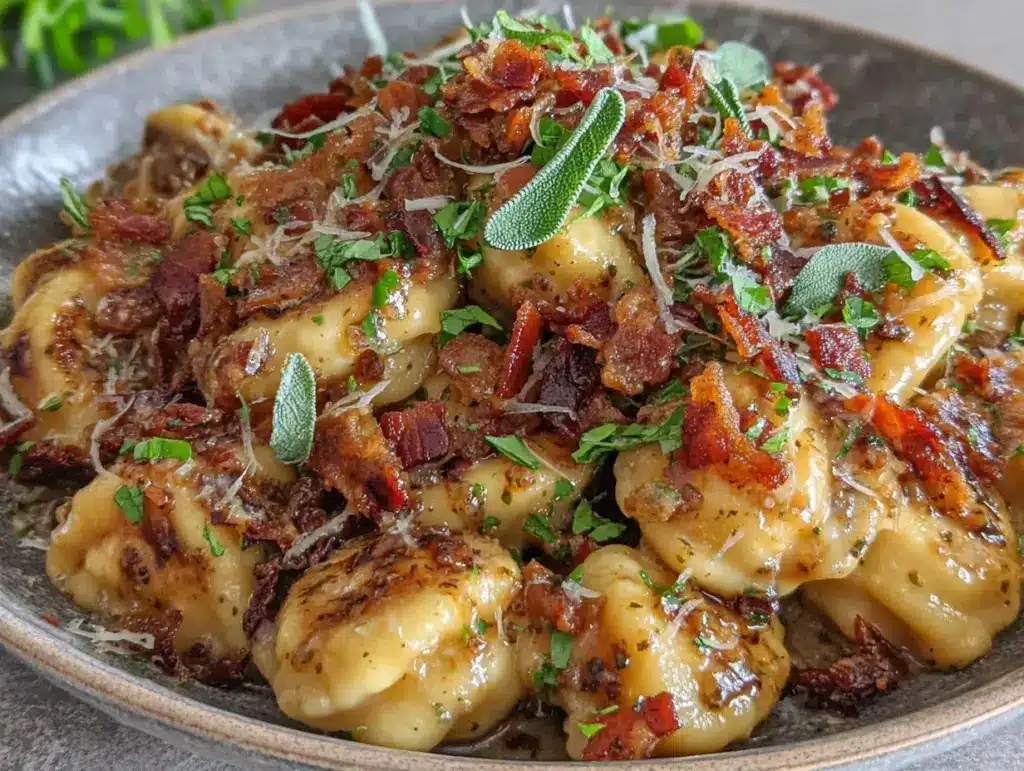
I browned the butter, crisped up a handful of sage leaves, and tossed it with half a box of gnocchi. It was perfect. Creamy, nutty, herby, and completely satisfying. No leftovers. No meal prep disasters. Just a beautiful, small-batch dinner that felt luxurious without the guilt of throwing away half the ingredients. Since then, I’ve made this fall brown butter sage gnocchi at least twice a month. It’s become my go-to when I want restaurant-quality food but zero stress.
If you’re tired of recipes designed for families of six when you’re cooking for yourself, this is your sign to stop overthinking dinner. This recipe is about quality over quantity, and I promise you, you’ll never look at a box of gnocchi the same way again.
Why You’ll Love This Small-Batch Brown Butter Sage Gnocchi
There are a dozen reasons I keep coming back to this dish, but let’s be real: it’s the lack of waste that keeps me loyal. Here’s why this fall brown butter sage gnocchi has earned a permanent spot in my small kitchen rotation:
- Actually Sized for One or Two — Seriously. The ingredients are measured for a single skillet. No weird fractions or “divide the box” instructions. Just cook what you eat.
- Ready in 15 Minutes — And I mean 15 minutes from start to finish. Gnocchi cooks fast, and browning butter takes about the same time. It’s faster than ordering takeout and way better for you.
- Uses Shelf-Stable Pantry Staples — You probably have gnocchi, butter, and sage (or dried sage) on hand. If you don’t have sage, brown butter garlic dinner rolls use similar techniques, so you’ll already know the magic of brown butter.
- Feels Fancy, Costs Pennies — This tastes like something you’d order at a nice Italian bistro, but it costs about $4 to make. That’s less than a coffee run.
- Zero Waste — This is the biggest one. I cook exactly what I need. No leftovers turning into starchy disasters in the fridge. If you do have extra, it’s easy to freeze, but usually, there isn’t any.
It’s the kind of meal that makes you feel like a good cook even when you’re tired, hungry, and just want to sit down. It’s comforting, it’s quick, and it respects your limited fridge space.
Ingredients You’ll Need
Here’s the best part: you probably have most of this already. I’m particular about three ingredients here, and I’ll tell you exactly why.
For the Base
Potato Gnocchi (10-12 oz / 280-340g) — I buy the shelf-stable boxes (not the refrigerated kind, though those work too). Look for brands that say “shelf-stable” so you can keep it in the pantry. I usually use half a box, which is about 10-12 ounces. If you can’t find small boxes, just measure out half a standard box. Don’t overthink the brand—I use Trader Joe’s or Barilla, and both work great.
Unsalted Butter (3 tablespoons / 45g) — This is non-negotiable. You need enough butter to brown properly and coat the gnocchi. Salted butter will make it too salty. I use good quality butter here because you’ll taste the nuttiness.
Fresh Sage Leaves (10-12 leaves) — Fresh sage is what makes this “fall” gnocchi. It has that earthy, piney flavor that pairs perfectly with brown butter. If you can’t find fresh sage, you can use 1 teaspoon of dried sage, but fresh is better. I keep a small pot of sage on my windowsill in the summer so I can freeze leaves for winter.
Garlic (2 cloves, minced / about 1 tablespoon) — Fresh only. No jarred garlic in this recipe. It’s too sharp and metallic. Minced finely so it doesn’t burn.
For the Finish
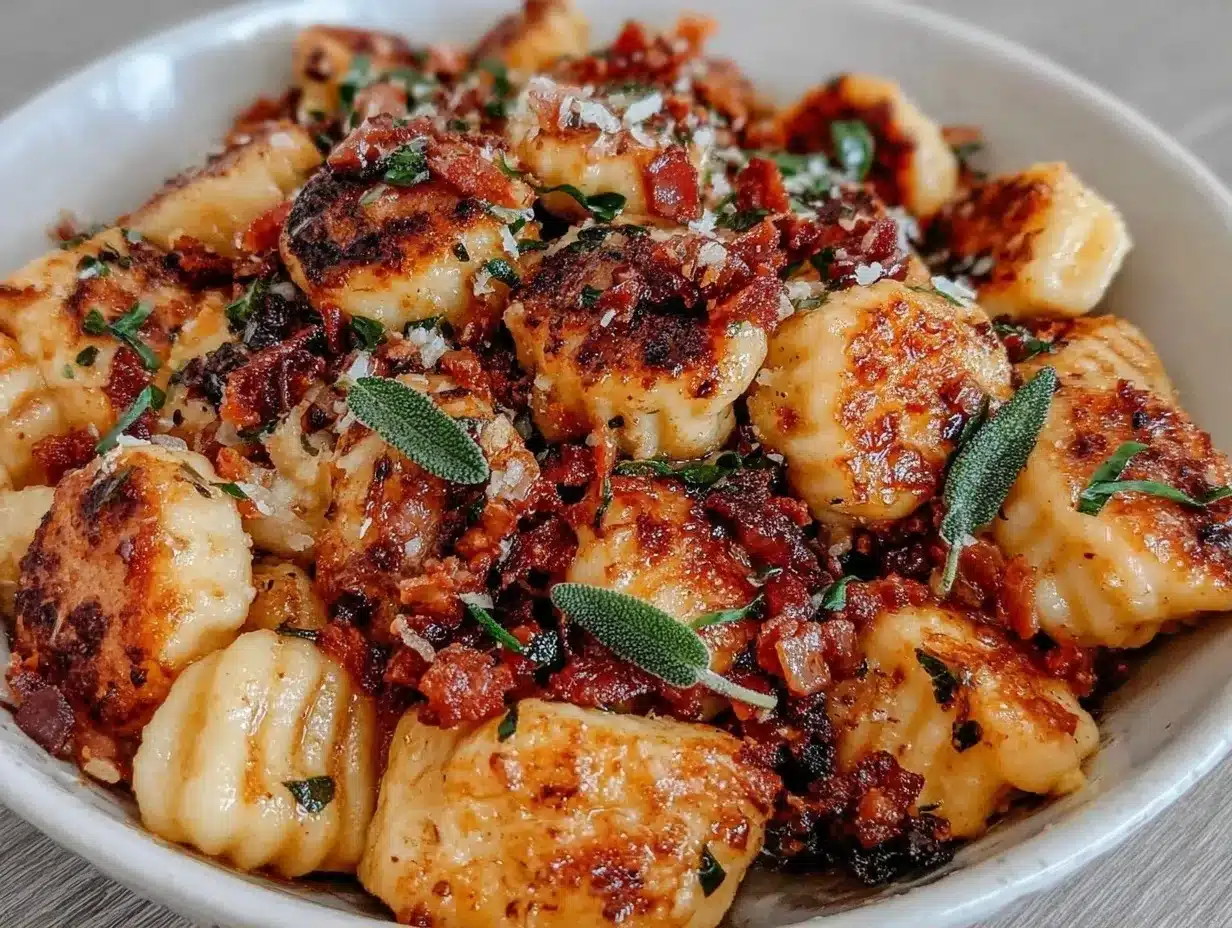
Parmesan Cheese (¼ cup / 25g, freshly grated) — Buy a small wedge and grate it yourself. Pre-grated cheese has anti-caking agents that prevent it from melting smoothly. I buy a small wedge of Parmigiano-Reggiano that lasts me weeks. It’s worth the extra minute of grating.
Black Pepper (freshly cracked) — A good crack of black pepper adds warmth. Pre-ground pepper is dull and dusty. Invest in a small pepper grinder.
Red Pepper Flakes (¼ teaspoon, optional) — If you like a little kick, add this. It balances the richness of the butter. I add it if I’m feeling spicy, skip it if I’m craving comfort.
Olive Oil (1 teaspoon) — Just a splash to help the butter brown evenly without burning. Use your best olive oil here.
Equipment Needed
You don’t need fancy equipment for this. Here’s what I actually use in my tiny kitchen:
Small Skillet (8-10 inch) — I use an 8-inch stainless steel skillet. It’s the perfect size for one or two servings. If you have a small kitchen, this is your best friend. It fits easily in the sink for washing.
Large Pot — For boiling the gnocchi. Even if you’re cooking for one, you need enough water for the gnocchi to move around. I use my medium pot, which is about 4 quarts. It’s versatile enough for pasta, rice, and boiling eggs.
Colander — For draining the gnocchi. Or just use the lid to drain— I do this when I’m lazy, but be careful, it’s hot.
Wooden Spoon — For stirring. Silicone works too. Don’t use metal on non-stick if you’re using that.
Microplane or Box Grater — For the Parmesan. I use a microplane because it grates finer and melts better.
Measuring Spoons — Pretty standard stuff. Dollar store versions work fine.
Optional but nice: Small Whisk — Helps emulsify the butter and cheese into a silky sauce. I keep a tiny whisk in my drawer for sauces like this.
How to Make It: Step-by-Step
Alright, let’s make this! I’m walking you through exactly how I do it, including the little tricks I’ve picked up so you don’t burn your butter.
Step 1: Prep Your Ingredients (3 minutes)
Before you start cooking, rinse your sage leaves and pat them dry. Wet sage will splatter in the butter. Mince your garlic finely. Grate your Parmesan. Measure out your butter. Once you start cooking, things move fast, so having everything ready is key. I like to arrange the sage leaves on a plate so they’re easy to grab.
Step 2: Boil the Gnocchi (5-7 minutes)
Bring a large pot of salted water to a boil. It should taste like the ocean. Add the gnocchi and cook according to package directions, usually 2-4 minutes for shelf-stable, or until they float to the top. Floating means they’re done! Use a slotted spoon to remove them directly from the water to your skillet. Don’t drain them in a colander first—you’ll lose some of that starchy water that helps the sauce cling. If you do drain them, save a splash of pasta water. It’s liquid gold for sauces.
Step 3: Brown the Butter (3-4 minutes)
In your small skillet, melt the butter over medium heat. Swirl it around as it melts. Once it’s fully melted, it will start to foam. Keep swirling. Watch it closely. The milk solids will sink to the bottom and start to turn golden brown. This is the “browning” part. It smells incredible—nutty, like toasted hazelnuts. This takes about 3-4 minutes. Don’t walk away. I learned this the hard way when I burned my butter once. It happened fast.
Step 4: Crisp the Sage (1 minute)
Once the butter is amber-colored and fragrant, reduce the heat to medium-low. Add the sage leaves. They’ll sizzle and curl up. Cook for about 30-60 seconds until they’re crisp. Don’t let them burn—they’ll turn bitter. Then add the minced garlic. Cook for 30 seconds, stirring constantly. The garlic should smell amazing, not brown.
Step 5: Combine and Sauce (2 minutes)
Add the cooked gnocchi to the skillet with the brown butter and sage. Toss gently to coat. The gnocchi will soak up the butter. Add the grated Parmesan cheese and a crack of black pepper. Toss again. The cheese will melt into the butter, creating a creamy sauce. If it looks too dry, add a splash of pasta water. If it looks too wet, let it sit for a minute to reduce. The sauce should be glossy and coat the gnocchi evenly.
Step 6: Serve Immediately
Plate it up while it’s hot. Top with extra Parmesan, a sprinkle of red pepper flakes if you’re feeling spicy, and maybe a drizzle of good olive oil. Eat it right away. This dish doesn’t wait.
Total Time: About 15 minutes (5 minutes prep, 10 minutes cooking)
Expert Tips & Tricks
Here’s everything I’ve learned from making this dozens of times. These tips will save you from my mistakes.
Watch the Butter Like a Hawk
Brown butter goes from perfect to burnt in about 10 seconds. If you smell something acrid, start over. Burnt butter tastes bitter and can’t be fixed. When in doubt, take it off the heat. The residual heat will finish the browning.
Don’t Overcook the Gnocchi
Gnocchi cooks incredibly fast. As soon as they float, they’re done. If you leave them in the water too long, they’ll turn mushy. I time mine from the moment they float—usually 30-60 seconds is plenty.
Fresh Sage is Best, But Dried Works
If you can’t find fresh sage, use 1 teaspoon of dried sage. Add it to the butter at the same time as the garlic. It won’t get crisp, but it will infuse the butter with flavor. It’s not quite the same, but it’s still good.
Use Pasta Water
That starchy water from boiling the gnocchi is what helps the cheese and butter emulsify into a sauce. If your sauce looks separated or oily, add a tablespoon of pasta water and whisk. It’ll come together.
Room Temperature Cheese
Cold cheese can make the sauce clumpy. Let your Parmesan sit out for a few minutes before grating. It melts smoother.
Common Mistakes (and how to avoid them):
- Mistake: Sauce is oily — Fix: You didn’t whisk enough. Add a splash of pasta water and whisk vigorously to emulsify.
- Mistake: Gnocchi is mushy — Fix: You overcooked it. Next time, remove them the second they float.
- Mistake: Butter is burnt — Fix: Heat was too high. Use medium heat and watch closely. If it’s burnt, throw it out and start over. Don’t risk ruining the dish.
Pro Tricks I’ve Learned:
- For Extra Flavor — Toast the sage leaves in the butter first, then add the garlic. This releases more sage flavor.
- For Better Texture — Toss the gnocchi with a tiny bit of olive oil after draining to prevent sticking before adding to the sauce.
- For Restaurant-Quality Finish — Add a tablespoon of cold butter at the very end and swirl it in. Makes the sauce glossy and rich.
Variations & Substitutions
Once you’ve nailed the basic version, here’s how you can mix it up. I’ve tried all of these.
Chicken Version
Add 1 cup diced cooked chicken (rotisserie works great) when you add the gnocchi. My husband prefers this version—it makes it more filling. I often use leftover mediterranean chicken skillet leftovers for this.
Veggie-Loaded
Toss in 1 cup fresh spinach and ½ cup halved cherry tomatoes in the last minute. The spinach wilts right in. This is how I get my kids to eat vegetables, even though I’m cooking for one.
Cajun Style
Swap the sage for Cajun seasoning. Add ½ teaspoon smoked paprika. Totally different vibe—spicy and smoky. Great for winter nights.
Lighter Version
Use half the butter and add a splash of heavy cream instead of all the butter. It’s lighter but still good. I make this when I’m trying to be “healthy.”
Mushroom Lover’s
Sauté 4oz sliced mushrooms with the sage. Cook until golden brown. Adds earthiness and makes it feel fancier.
Lemon Garlic
Add zest of ½ lemon and 1 tablespoon lemon juice at the end. Brightens everything up. Great for summer.
Dietary Modifications:
- Gluten-Free — Use gluten-free gnocchi. Everything else is naturally gluten-free. I’ve used Trader Joe’s gluten-free gnocchi and it works great.
- Dairy-Free — Replace butter with olive oil or vegan butter, and Parmesan with nutritional yeast (use ¼ cup). It’s different but still tasty.
- Lower-Carb — Use cauliflower gnocchi instead of potato gnocchi. Reduce butter by half. I won’t lie—it’s not the same texture, but it works if you’re watching carbs.
Serving & Storage
How to Serve
I usually serve this straight from the skillet at the dinner table—it looks rustic and stays warm. But here are other ways I’ve enjoyed it:
- Simple Green Salad — A light arugula salad with lemon vinaigrette cuts through the richness.
- Roasted Broccoli — If I’m hungry, I add roasted broccoli on the side.
- Wine Pairing — Not a wine expert, but my wine-snob friend says Pinot Grigio or a light Chardonnay works great with this.
Storage Instructions
Refrigerator:
Store in an airtight container for up to 2 days. The gnocchi will absorb the sauce and get softer. It’s still good, just different.
Reheating:
Best method: Add to a skillet with a splash of milk or cream over low heat. Stir until heated through and creamy again.
Microwave method: Heat in 30-second intervals, stirring between. Add a splash of milk if it’s too thick.
Never works: Trying to reheat in the pot you cooked it in. It always burns on the bottom. Ask me how I know.
Freezing:
Honestly, this doesn’t freeze well because of the dairy. The sauce separates when thawed. Make it fresh or store in the fridge for up to 2 days. If you want to meal prep, cook the gnocchi and freeze it separately, then make the sauce fresh when you’re ready to eat.
Pro tip: If leftovers are drying out, stir in a tablespoon of butter and a splash of milk when reheating. Brings back that creamy texture.
Nutrition Information
I’m not a nutritionist, but here’s the breakdown if you’re tracking.
| Per Serving (1 box half) | Amount |
|---|---|
| Calories | 380 |
| Protein | 10g |
| Carbs | 45g |
| Fiber | 2g |
| Sugar | 2g |
| Fat | 18g |
| Saturated Fat | 11g |
| Cholesterol | 45mg |
| Sodium | 350mg |
| Calcium | 200mg |
What’s Good:
– Decent protein from gnocchi and Parmesan
– Calcium from the cheese
– Quick and satisfying
What to Know:
– Higher in calories from butter and cheese
– Contains dairy and gluten
– Moderate sodium (use low-sodium broth if adding other ingredients)
My Take:
“Look, this is comfort food with butter and cheese. It’s not a diet recipe. But it’s way better than takeout, costs less, and I know exactly what’s in it. When I want to make it lighter, I use half the butter and add more vegetables. But usually? I just eat a reasonable portion and enjoy it.”
Final Thoughts
So that’s my go-to fall brown butter sage gnocchi! I’ve probably talked your ear off at this point, but when you make a recipe this often, you have a lot to say about it.
This has saved weeknight dinners more times than I can count. It’s my answer to “what’s for dinner” when I’m tired, don’t want takeout, and still want something that tastes really good. My kitchen is small, my energy is low, but this dish makes me feel like I’ve accomplished something. And honestly, that’s what cooking is all about.
Make it yours! Try different add-ins, swap in your favorite vegetables, adjust the garlic (though more is always better in my opinion). The best recipes are the ones you adapt to your tastes.
If you make this, drop a comment and let me know what you think! I love hearing how recipes turn out in your kitchen. And if something doesn’t work, tell me that too—I’m here to help troubleshoot.
Happy cooking! And I hope your kitchen smells half as good as mine does right now.
Frequently Asked Questions
Can I use dried sage instead of fresh?
Yes, but use less. Fresh sage has a bright, piney flavor, while dried sage is more concentrated. Use 1 teaspoon of dried sage instead of 10-12 leaves. Add it to the butter at the same time as the garlic so it has time to rehydrate and release flavor. It won’t get crisp, but it will still taste great.
Why did my sauce get oily?
This usually happens when the butter and cheese don’t emulsify properly. To fix it, add a splash of pasta water and whisk vigorously. The starch in the water helps bind the fat and water together. Also, make sure you’re not using too high heat when adding the cheese. Low and slow is the key.
Can I make this ahead for a dinner party?
Sort of. You can prep the ingredients ahead (mince garlic, grate cheese, rinse sage). But cook the gnocchi and make the sauce fresh right before serving. Gnocchi doesn’t reheat well, so it’s best made fresh. I do this all the time for small gatherings—it takes 15 minutes, so it’s not a big deal.
Why did my butter burn?
Brown butter goes from perfect to burnt very quickly. If you smell something acrid, it’s burnt. Burnt butter tastes bitter and can’t be fixed. Next time, use medium heat and watch it closely. Swirl the pan constantly. Take it off the heat as soon as it smells nutty and looks amber.
Can I use jarred garlic?
You can, but fresh tastes so much better in this recipe. Jarred garlic has a weird metallic taste that really shows up in simple dishes like this. If you must use it, use half the amount because it’s stronger. But honestly, mincing 2 cloves takes like 30 seconds. Buy pre-peeled garlic cloves if you want to save time.
How do I reheat leftovers without it getting dry?
Add a splash of milk or cream to a skillet, add your leftover gnocchi, and heat gently over low heat, stirring frequently. The extra liquid brings back the creamy texture. Microwave sort of works but tends to dry it out. If you do microwave, definitely add a splash of milk first and heat in short bursts, stirring between.
Can I double this recipe?
Absolutely! Double everything and use your biggest skillet. The cooking times stay the same. I do this when I’m meal-prepping or feeding a crowd. Just make sure your skillet is big enough for the sauce—you might need to use two pans or a very large skillet. But for my tiny kitchen, I stick to single servings.
Pin This Recipe!
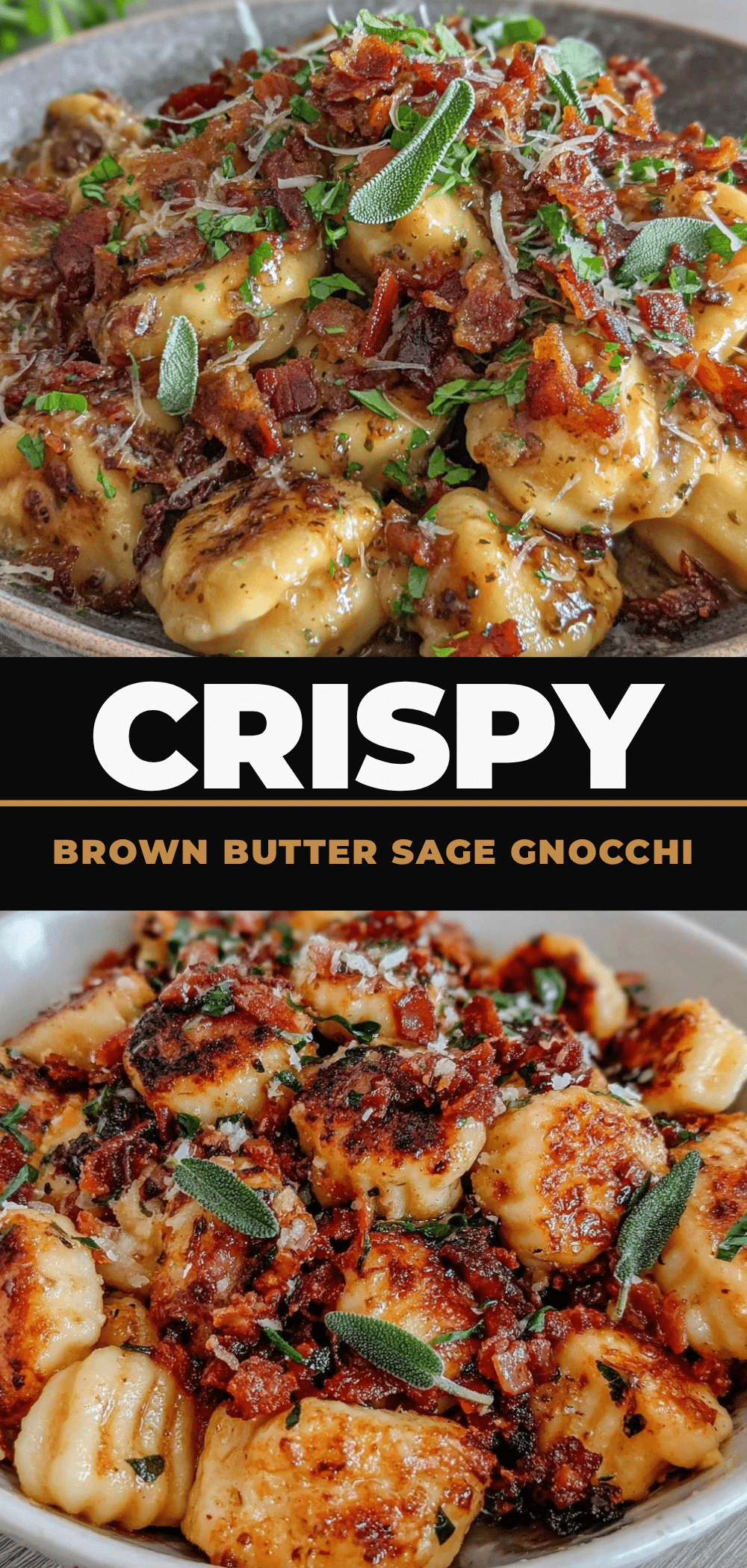

Fall Brown Butter Sage Gnocchi: Easy Small Batch
- Total Time: 15 minutes
- Yield: 1 serving 1x
Description
A cozy, single-serving recipe for brown butter sage gnocchi that eliminates waste and delivers restaurant-quality flavor in just 15 minutes.
Ingredients
- 10–12 oz (half box) shelf-stable potato gnocchi
- 3 tablespoons unsalted butter
- 10–12 fresh sage leaves
- 2 cloves garlic, minced
- 1 teaspoon olive oil
- 1/4 cup freshly grated Parmesan cheese
- Freshly cracked black pepper
- 1/4 teaspoon red pepper flakes (optional)
- Salted water for boiling
Instructions
- Rinse and pat dry sage leaves. Mince garlic and grate Parmesan cheese.
- Bring a large pot of salted water to a boil. Add gnocchi and cook until they float (2-4 minutes). Remove with a slotted spoon directly to the skillet, reserving some pasta water.
- In an 8-10 inch skillet, melt butter with olive oil over medium heat. Swirl constantly until butter turns amber and smells nutty (3-4 minutes).
- Reduce heat to medium-low. Add sage leaves and cook until crisp (30-60 seconds). Add garlic and cook for 30 seconds until fragrant.
- Add cooked gnocchi to the skillet. Toss to coat. Add Parmesan and black pepper, tossing until cheese melts and creates a creamy sauce. Add splash of pasta water if needed.
- Serve immediately, topped with extra Parmesan and red pepper flakes if desired.
Notes
Watch the butter closely as it burns quickly. Do not overcook gnocchi; remove immediately when they float. If the sauce becomes oily, add a splash of pasta water and whisk vigorously to emulsify. Fresh sage is preferred, but 1 teaspoon of dried sage can be substituted.
- Prep Time: 5 minutes
- Cook Time: 10 minutes
- Category: Main Course
- Cuisine: Italian
Nutrition
- Serving Size: 1 serving
- Calories: 380
- Sugar: 2
- Sodium: 350
- Fat: 18
- Saturated Fat: 11
- Carbohydrates: 45
- Fiber: 2
- Protein: 10
Keywords: brown butter sage gnocchi, small batch recipe, single serving dinner, easy gnocchi, fall recipes, quick weeknight dinner, gluten-free option