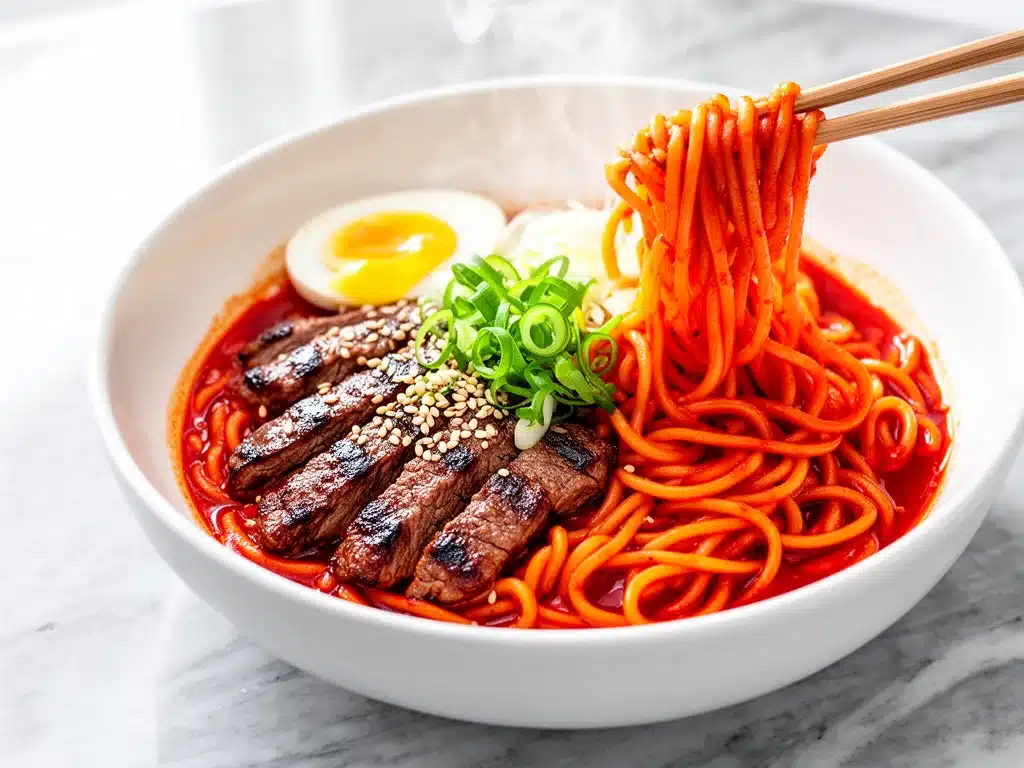
It was 11:30 PM on a Tuesday, and I was staring at my phone screen, thumb hovering over the delivery app. My stomach was growling loud enough to wake the neighbors. The craving wasn’t for pizza or burgers—it was that specific, addictive punch of spicy, savory, umami-rich noodles you get from the Korean spot down the street. You know the one. The one with the red sauce that stains your fingers and makes your nose run in the best way possible.
But here’s the thing: by the time the delivery driver arrived, the magic was gone. The noodles were soggy. The sauce had separated. And honestly? It cost me $22 after tip and tax. I felt like I’d been played.
So I did what any desperate home cook does. I opened my pantry, found a jar of gochujang I’d been meaning to use, grabbed some ground beef, and threw together what I thought would be a mediocre substitute. I didn’t even plan it. I just threw garlic, ginger, soy sauce, and a ton of that red paste into a hot pan.
Twenty minutes later, I was sitting at my counter, slurping noodles straight from the skillet, trying not to burn my tongue. And I realized something shocking: this was better than the takeout. It was fresher, spicier, and I knew exactly what went into it. No mystery meat, no MSG overload, just real food.
That night sparked a obsession. I’ve made these Spicy Gochujang Beef Noodles at least a dozen times since then. Sometimes with rice noodles, sometimes with udon, sometimes with just a handful of spinach thrown in at the last second. But the core recipe? It’s always the same. It’s my go-to for when I want restaurant-quality food without the restaurant price tag or the wait.
If you’ve ever felt held hostage by delivery apps, or if you just love the fiery kick of Korean cuisine but find it hard to make at home, this recipe is your new best friend. It’s fast, it’s cheap, and it’s dangerously addictive. Let’s get into why this simple dish has completely changed my weeknight dinner game.
Why You’ll Love This Spicy Gochujang Beef Noodles Recipe
I know what you’re thinking. “Another noodle recipe?” But hear me out. This isn’t just another bowl of carbs. This is the kind of meal that makes you close your eyes and sigh when you take the first bite. Here’s why this Spicy Gochujang Beef Noodles recipe has earned a permanent spot in my rotation:
- It’s Faster Than Delivery — Seriously. From chopping to plate, it takes 20 minutes. By the time you order, wait for the driver, and find your wallet, I’d already be cleaning my skillet. It’s the ultimate time-saver.
- One Pan Wonder — You cook the beef, make the sauce, and toss the noodles all in the same pan (or two, if you’re boiling noodles separately). No mountain of dishes to scrub. My favorite kind of cooking.
- Customizable Heat Level — Gochujang is spicy, but it’s also sweet and fermented. You control the heat. Want mild? Use less paste and add a pinch of sugar. Want to cry? Add extra chili flakes and a drizzle of chili oil. It’s your kitchen, your rules.
- Pantry Staples Only — You probably already have gochujang, soy sauce, garlic, ginger, and noodles. If you don’t have gochujang, it’s a cheap jar you’ll find in any Asian grocery store or even the international aisle of most supermarkets. It’s an investment that pays off in every subsequent meal.
- Comfort Food with a Kick — It’s warm, it’s savory, it’s spicy, and it fills you up. It’s the kind of food that feels like a hug, but with a little attitude. Perfect for cold nights or when you just need something to cheer you up.
This recipe has saved me from takeout fatigue more times than I can count. It’s reliable, it’s delicious, and it makes my kitchen smell like a high-end Korean restaurant. Once you try it, you won’t believe how simple it was.
Ingredients You’ll Need for Spicy Gochujang Beef Noodles
Before we fire up the stove, let’s talk about what goes into this bowl. The beauty of this recipe is that it relies on a few key flavor builders rather than a long, intimidating list. Here’s exactly what you need, and why each ingredient matters.
The Star: Gochujang
Gochujang paste (3-4 tablespoons) — This is the heart of the dish. It’s a fermented Korean chili paste that’s spicy, sweet, and savory all at once. Don’t confuse it with gochugaru (chili flakes) or sriracha. They are not the same. I recommend the Sempio brand—it’s widely available and has a consistent flavor. If you can’t find it, this dish just won’t work, so don’t skip it.
The Protein
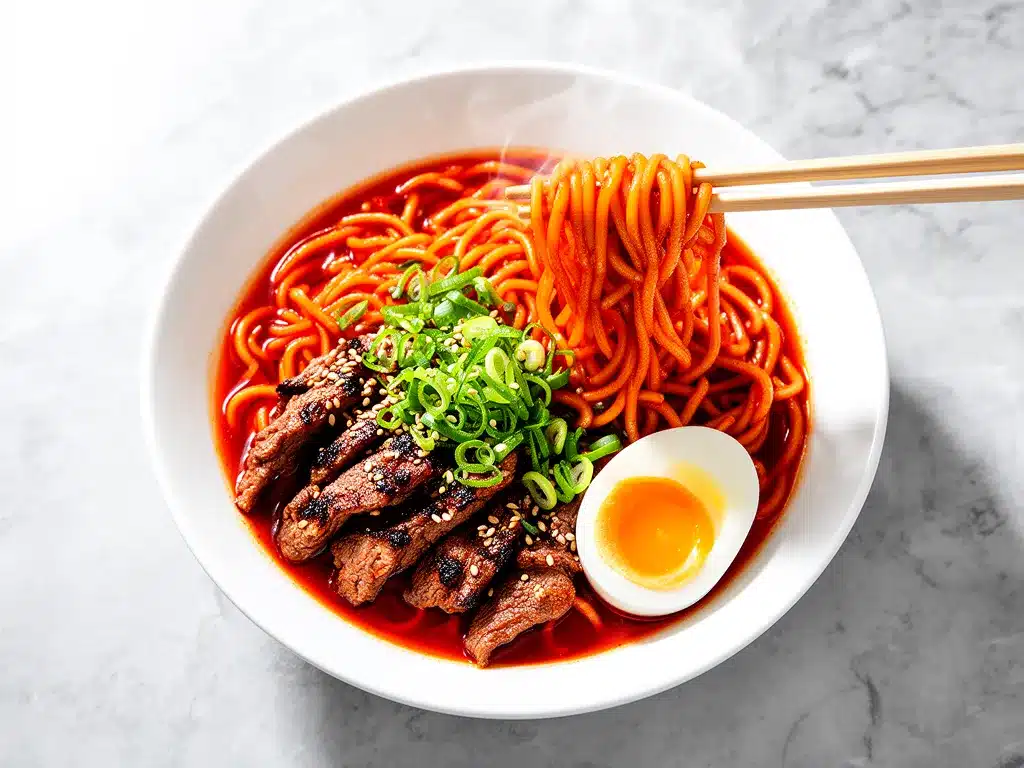
Ground beef (1 pound / 450g) — I use 80/20 fat ratio. The fat carries the flavor and keeps the noodles from drying out. Lean beef works too, but you might need a splash more oil. You can also use ground turkey or pork if you prefer, but beef is the classic choice.
The Aromatics
Garlic (4 cloves, minced) — Yes, four cloves. Korean food loves garlic. Don’t be shy. Fresh is non-negotiable here. Jarred garlic has a weird chemical taste that clashes with the delicate fermentation of the gochujang.
Fresh Ginger (1 tablespoon, grated) — Grate it yourself. Pre-minced ginger in jars is usually too salty and lacks that bright, zesty punch. Just peel a knob and grate it on a microplane.
Green Onions (3-4 stalks, sliced) — We’ll use the white parts for cooking and the green parts for garnish. They add a fresh, oniony bite that cuts through the richness.
The Sauce Builders
Soy Sauce (2 tablespoons) — Adds saltiness and depth. I use low-sodium soy sauce so I can control the overall salt level. Regular soy sauce works fine if you’re watching your sodium less closely.
Sesame Oil (1 tablespoon) — Toasted sesame oil adds that nutty aroma that smells like a Korean BBQ. Make sure it’s toasted, not raw. Raw sesame oil is bland.
Rice Vinegar (1 tablespoon) — This is the secret weapon. It adds acidity to balance the heat and sweetness. If you don’t have rice vinegar, apple cider vinegar works in a pinch, but rice vinegar is milder and more authentic.
Sugar or Honey (1-2 teaspoons) — Gochujang is sweet, but a little extra sugar or honey helps round out the heat. Honey adds a nice floral note; sugar is more neutral.
The Noodles & Veggies
Noodles (8 ounces) — I love rice noodles (buckwheat or sweet potato starch) for their chewiness. Udon noodles are also fantastic if you want something thicker and heartier. Ramen noodles work too, but they can get mushy fast. Avoid thin angel hair pasta—it won’t hold the sauce well.
Vegetables (1 cup, chopped) — I usually throw in some shredded carrots, sliced mushrooms, or blanched broccoli. Bell peppers add a nice crunch. This is where you can use up leftover veggies from your fridge.
Water or Broth (½ cup) — Needed to thin out the sauce so it coats the noodles evenly.
Equipment Needed
You don’t need fancy gear for this. Here’s what I actually use:
- Large Skillet or Wok — A 12-inch skillet or a wok is ideal. You need surface area to brown the beef properly. If you use a small pan, the beef will steam instead of sear, and you won’t get that delicious fond (the brown bits) at the bottom.
- Pot for Boiling — If you’re using dried noodles, you’ll need a pot to boil them separately. If you’re using instant ramen or rice noodles that soak in hot water, you might not need this.
- Wooden Spoon or Spatula — For stirring the beef and scraping the bottom of the pan.
- Microplane or Grater — For the ginger and garlic.
- Mixing Bowl — To whisk the sauce ingredients together. It saves you from adding ingredients one by one to the hot pan.
How to Make Spicy Gochujang Beef Noodles: Step-by-Step
Alright, let’s cook! This process is straightforward, but there are a few tricks to get the texture and flavor just right. I’m walking you through exactly how I do it.
Step 1: Prep Your Sauce (5 minutes)
Before you turn on the stove, whisk together the gochujang, soy sauce, sesame oil, rice vinegar, sugar, and water in a small bowl. Set it aside. Why? Because once you start cooking, things move fast. You don’t want to be fumbling with measuring spoons while your garlic is burning. This pre-mixed sauce ensures even distribution of flavor.
Step 2: Cook the Noodles
Bring a large pot of salted water to a boil. Cook your noodles according to package directions. If you’re using rice noodles, they often just need to be soaked in hot water, which is even faster. Once cooked, drain them and rinse briefly with cold water to stop the cooking process. Toss with a tiny drop of sesame oil to prevent sticking. Set aside.
Step 3: Brown the Beef
Heat your large skillet or wok over medium-high heat. Add a tablespoon of oil if your beef is very lean. Add the ground beef, breaking it up with your wooden spoon. Cook for 5-7 minutes until it’s fully browned and no pink remains. Don’t rush this step! Browning the beef creates flavor. If the pan looks dry, add a splash of water to deglaze and lift the brown bits.
Step 4: Add Aromatics
Push the beef to the sides of the pan (or just leave it if you’re using a wide skillet). Add the minced garlic and grated ginger to the center. Cook for 30 seconds until fragrant. Be careful not to burn the garlic—it turns bitter quickly. Then, mix everything together.
Step 5: Combine and Simmer
Pour the prepared sauce over the beef. Stir well to combine. Let it simmer for 2-3 minutes. The sauce will bubble and thicken slightly. This is where the magic happens—the flavors meld together, and the gochujang loses its raw, fermented bite and becomes rich and deep.
Step 6: Toss the Noodles
Add the cooked noodles to the skillet. Toss everything together vigorously. You want every strand of noodle coated in that red, spicy sauce. If it looks too thick, add a splash more water. If it looks too thin, let it simmer for another minute.
Step 7: Add Veggies and Finish
If you’re using raw vegetables (like carrots or bell peppers), add them now and toss for 1-2 minutes until they’re tender-crisp. If you’re using pre-cooked veggies or leafy greens like spinach, add them at the very end just to warm through.
Step 8: Serve
Transfer to bowls. Top with sliced green onions, a sprinkle of sesame seeds, and maybe a fried egg if you’re feeling fancy. Eat immediately while it’s hot.
Expert Tips & Tricks for Perfect Noodles
Here’s everything I’ve learned from making this dozens of times. These tips will save you from common pitfalls.
Don’t Skip the Searing
Many people just boil the beef and mix it with sauce. Don’t do that. Browning the beef adds a depth of flavor that boiling never will. That Maillard reaction is crucial for a “better than takeout” taste.
Balance the Heat
Gochujang varies in heat by brand. Taste your sauce after it simmers. If it’s too spicy, add a bit more sugar or honey. If it’s too mild, add a dash of chili oil or sriracha. If it’s too salty, add a splash of vinegar or water.
Save the Pasta Water
Just like with Italian pasta, the starchy water from boiling your noodles is gold. If your sauce is too thick when you toss the noodles, add a splash of that noodle water. It helps the sauce cling to the noodles perfectly.
Use High Heat for the Toss
When you add the noodles to the beef, crank the heat up for the final toss. This gives the noodles a slight char and ensures they absorb the sauce quickly without getting mushy.
Make it a Meal
Protein isn’t just beef. Add a soft-boiled or fried egg on top. The runny yolk mixes with the spicy sauce to create a rich, creamy curry-like texture. It’s incredible.
Variations & Substitutions
Once you’ve nailed the basic version, here’s how you can mix it up. I’ve tried all of these.
Protein Swaps
Chicken or Turkey — Ground chicken or turkey works well, but it’s leaner. Add a bit more oil to the pan. It’s a lighter option but still delicious.
Tofu — For a vegetarian version, use crumbled firm tofu. Press it first to remove moisture, then fry it until crispy before adding the sauce. It soaks up the flavor beautifully.
Shrimp — Sauté shrimp separately and toss them in at the end. They cook fast, so don’t overcook them or they’ll get rubbery.
Noodle Options
Zucchini Noodles — For a low-carb version, use zucchini noodles. Sauté them for just 1-2 minutes so they stay crunchy. The sauce is so good, you won’t miss the carbs.
Soba Noodles — Buckwheat soba noodles add a nutty flavor that pairs well with the sesame oil. Just be careful not to overcook them.
Vegetable Add-ins
Mushrooms — Shiitake or button mushrooms add an earthy umami boost. Sauté them with the beef.
Spinach or Bok Choy — Toss in a handful of greens at the very end. They wilt instantly and add a fresh contrast to the heavy sauce.
Serving & Storage
How to Serve: I usually serve this straight from the skillet. It looks rustic and stays warm. Top with sesame seeds, green onions, and maybe some pickled radish if you have it. A fried egg is highly recommended.
Storage: Store leftovers in an airtight container in the fridge for up to 3 days. The noodles will absorb the sauce and become softer, which some people love (like a stew) and others hate. I prefer eating it within 24 hours.
Reheating: Reheat in a skillet with a splash of water or broth to loosen the sauce. Microwave works too, but stir halfway through to ensure even heating. The texture won’t be quite as good as fresh, but it’s still tasty.
Freezing: I don’t recommend freezing this dish. The noodles tend to get mushy when thawed, and the sauce can separate. It’s best made fresh.
Nutrition Information
I’m not a nutritionist, but here’s the breakdown if you’re tracking. Per serving (based on 4 servings):
- Calories: ~450
- Protein: 25g
- Carbs: 55g
- Fat: 15g
- Fiber: 3g
- Sodium: 800mg (varies by soy sauce brand)
Look, this is comfort food. It’s not a diet meal. But it’s way better than takeout, and you can lighten it up by using lean beef, less oil, and more veggies. When I want to make it lighter, I swap half the beef for mushrooms and use zucchini noodles. But usually? I just enjoy a reasonable portion and savor every bite.
Frequently Asked Questions
Can I make this ahead of time?
Not really. Noodles don’t hold up well when stored in sauce for long periods—they get soggy. I recommend prepping the sauce and browning the beef ahead of time, then cooking and tossing the noodles fresh when you’re ready to eat. It takes an extra 5 minutes but makes a huge difference in texture.
Is gochujang very spicy?
It varies, but generally, it’s medium heat. It’s more savory and sweet than purely fiery like a habanero. If you’re sensitive to spice, start with 2 tablespoons and add more to taste. If you love heat, go for 4-5 tablespoons and add chili flakes.
Can I use sriracha instead of gochujang?
No, not really. Gochujang is a fermented paste with a unique thick texture and complex flavor. Sriracha is a vinegar-based hot sauce. The texture and taste will be completely different. You need gochujang for this recipe to work authentically.
Why is my sauce too thick?
Gochujang thickens as it cools and simmers. Just add a splash of water, broth, or even beer (if you’re feeling adventurous) to thin it out. You want a sauce that coats the noodles, not a paste that sticks to the pan.
Can I double this recipe?
Absolutely! Just use a larger skillet or wok. You might need to cook the beef in two batches to ensure it browns properly instead of steaming. The sauce quantities can be doubled easily.
Final Thoughts
So that’s my go-to Spicy Gochujang Beef Noodles! I’ve probably talked your ear off at this point, but when you make a recipe this often, you have a lot to say about it.
This dish has saved me from takeout fatigue, saved me money, and honestly, just made weeknight dinners something I look forward to. It’s my answer to “what’s for dinner” when I’m tired, don’t want to cook, but still want something that tastes incredible. My kids are happy, my husband’s happy, and I’m happy because I’m not stressed about cooking.
Make it yours! Try different veggies, swap the protein, adjust the spice. The best recipes are the ones you adapt to your family’s tastes. If you make this, drop a comment and let me know what you think! I love hearing how recipes turn out in your kitchen. And if something doesn’t work, tell me that too—I’m here to help troubleshoot.
Happy cooking! And I hope your kitchen smells half as good as mine does right now.
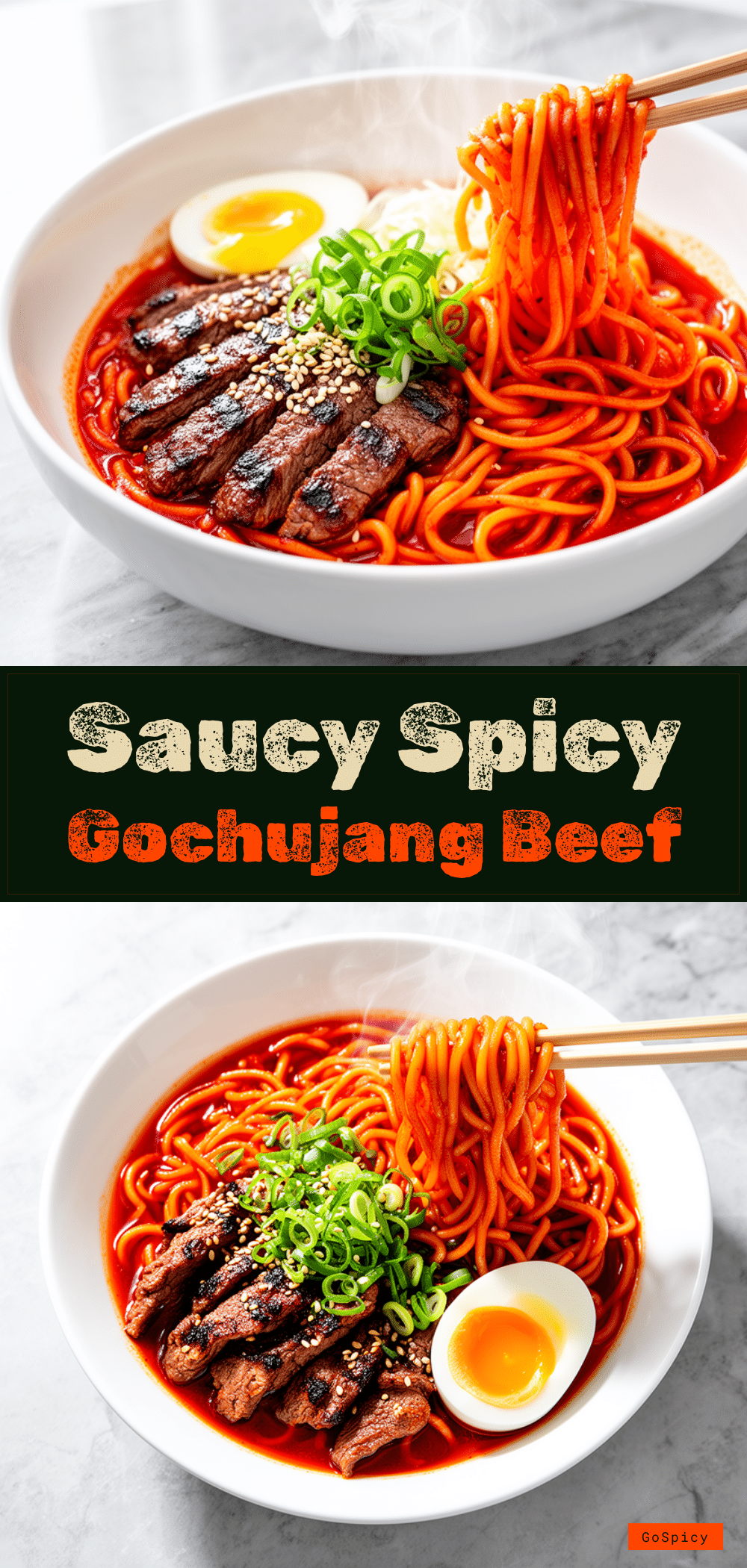
Pin This Recipe!
Spicy Gochujang Beef Noodles
- Total Time: 20 minutes
- Yield: 4 servings 1x
Description
A fast, flavorful, and customizable weeknight dinner featuring ground beef and noodles tossed in a spicy, savory, and sweet gochujang sauce. Ready in just 20 minutes with minimal cleanup.
Ingredients
- 1 pound ground beef (80/20 fat ratio recommended)
- 8 ounces noodles (rice noodles, udon, or ramen)
- 3–4 tablespoons gochujang paste
- 2 tablespoons soy sauce (low-sodium recommended)
- 1 tablespoon toasted sesame oil
- 1 tablespoon rice vinegar
- 1–2 teaspoons sugar or honey
- 4 cloves garlic, minced
- 1 tablespoon fresh ginger, grated
- 3–4 green onions, sliced (white parts for cooking, green for garnish)
- 1 cup chopped vegetables (carrots, mushrooms, broccoli, or bell peppers)
- 1/2 cup water or broth
- 1 tablespoon oil (for cooking beef if lean)
Instructions
- Whisk together gochujang, soy sauce, sesame oil, rice vinegar, sugar, and water in a small bowl. Set aside.
- Bring a large pot of salted water to a boil. Cook noodles according to package directions. Drain, rinse with cold water, toss with a drop of sesame oil, and set aside.
- Heat a large skillet or wok over medium-high heat. Add ground beef and cook for 5-7 minutes until fully browned, breaking it up with a spoon. Add a splash of water to deglaze if needed.
- Add minced garlic and grated ginger to the pan. Cook for 30 seconds until fragrant, then mix with the beef.
- Pour the prepared sauce over the beef. Simmer for 2-3 minutes until the sauce thickens slightly and flavors meld.
- Add the cooked noodles to the skillet. Toss vigorously to coat evenly. Add a splash of water or noodle water if the sauce is too thick.
- Add raw vegetables and toss for 1-2 minutes until tender-crisp. Add leafy greens at the very end just to warm through.
- Serve immediately in bowls, topped with sliced green onions, sesame seeds, and optionally a fried egg.
Notes
Gochujang is essential for authentic flavor; do not substitute with sriracha. Browning the beef is crucial for depth of flavor. Noodles absorb sauce and soften over time, so best eaten fresh. Leftovers can be stored in the fridge for up to 3 days.
- Prep Time: 5 minutes
- Cook Time: 15 minutes
- Category: Main Course
- Cuisine: Korean
Nutrition
- Serving Size: 1 bowl
- Calories: 450
- Sugar: 4
- Sodium: 800
- Fat: 15
- Saturated Fat: 5
- Carbohydrates: 55
- Fiber: 3
- Protein: 25
Keywords: gochujang, beef noodles, spicy noodles, korean food, quick dinner, weeknight meals, one pan recipe, easy noodles