Last November, I was having one of those weeks where my energy levels were basically non-existent. I came home from work, collapsed on the couch, and stared at my phone for twenty minutes trying to decide what to eat. I eventually caved and ordered from that Indian place down the street—the one with the delivery fee that somehow doubles the price. When the food arrived, it was lukewarm, the naan was soggy, and the chicken tikka masala tasted like it had been sitting under a heat lamp since Tuesday.
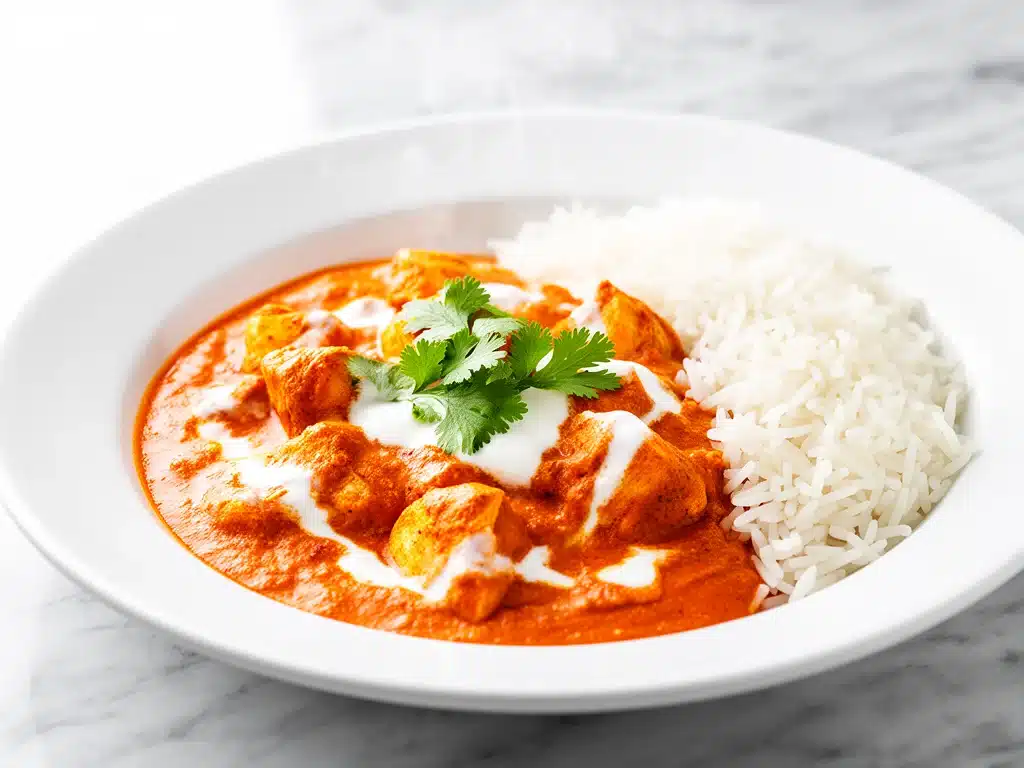
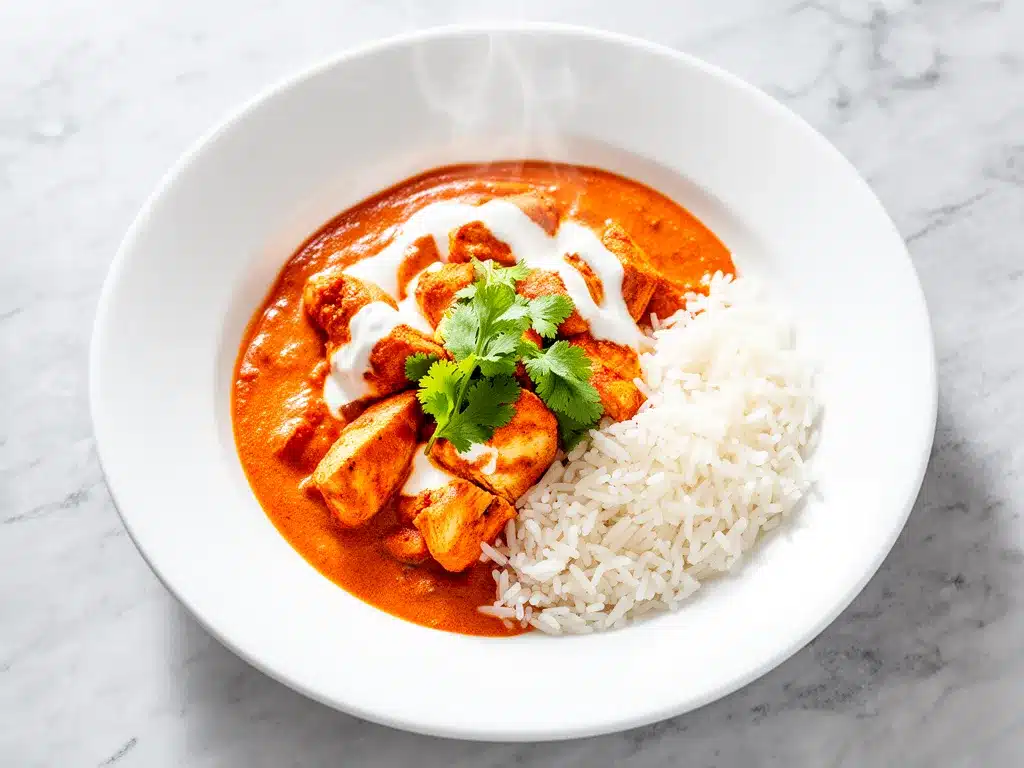
I ate half of it out of sheer exhaustion, then stared at the leftovers with a mix of guilt and disappointment. That night, I made a promise to myself: I was going to learn to make restaurant-style creamy chicken tikka masala at home. Not the sad, watery version from the frozen aisle. The real deal. The kind with tender, smoky chicken chunks swimming in a rich, spiced, velvety tomato-cream sauce that makes you close your eyes when you take the first bite.
It took me three failed attempts before I got it right. The first time, the sauce was too thin and lacked depth. The second time, I over-spiced it and it tasted like a chemistry experiment. But on the third try? Magic. My husband took one bite, paused, and said, “This is better than the restaurant.” And honestly? He wasn’t wrong.
Since then, this creamy chicken tikka masala has become a staple in our rotation. I make it at least once a month, usually on rainy Sundays when I want to fill the house with incredible aromas. It’s surprisingly easy to make once you know the tricks, and it feeds my family of four with plenty left over for lunch the next day. The best part? You control the quality of the ingredients, so it’s fresher, healthier, and infinitely more satisfying than takeout.
If you’ve been intimidated by Indian cooking, thinking it requires a dozen obscure spices and hours of prep, I’m here to tell you it’s not that complicated. This recipe uses simple techniques and ingredients you can find at any grocery store. It’s creamy, it’s spicy (but not too spicy), and it’s absolutely delicious. Let’s get cooking.
Why You’ll Love This Creamy Chicken Tikka Masala Recipe
There are about ten reasons I keep coming back to this dish, but here are the big ones that make it a permanent fixture in my kitchen.
It Tastes Like It Came from a High-End Restaurant — Seriously, the flavor profile is complex and layered. The smoky char from the chicken, the tangy yogurt marinade, and the rich tomato-cream sauce create a balance that feels gourmet. I’ve served this to friends who claim they “don’t like Indian food,” and they’ve asked for the recipe twice.
It’s Actually Quick for Dinner — Yes, there’s a marinade step, but it’s mostly hands-off time. From start to finish, you’re looking at about 45 minutes. That’s faster than waiting for a delivery driver to find your house. Plus, most of that time is just chicken marinating or sauce simmering.
It’s Customizable Heat Level — One of my favorite things about making this at home is controlling the spice. Want it mild for the kids? Leave out the cayenne and use less chili powder. Want it fiery? Add a diced jalapeño with the onions. It’s your kitchen, your heat level.
Leftovers Are Even Better — I don’t know if it’s the spices melding overnight or just the magic of leftovers, but this creamy chicken tikka masala tastes even better the next day. I deliberately make extra so I can have it for lunch with rice or quinoa throughout the week. It reheats beautifully in the microwave or on the stovetop.
It Feeds a Crowd (or Just You and Your Partner) — This recipe easily scales up. I often double it when we have guests over because it’s a crowd-pleaser. It pairs perfectly with garlic naan, basmati rice, and a simple cucumber raita. It feels like a feast without the stress of hosting.
This is my go-to when I want to impress without stressing. It’s reliable, delicious, and makes everyone happy. No complicated techniques, just solid flavors and good food.
Ingredients You’ll Need for the Best Chicken Tikka Masala
Here’s the thing about this recipe: it looks like a long list, but most of it is pantry staples or common spices. I’m particular about a few key ingredients, though, and I’ll tell you exactly why they matter.
For the Chicken Marinade
Chicken Breast (1.5 lbs / 700g) — I use boneless, skinless chicken breasts cut into 1.5-inch chunks. Thighs work too and are juicier, but breasts hold their shape better for the “tikka” look. Cut them evenly so they cook at the same rate.
Greek Yogurt (½ cup / 120g) — This is crucial. The lactic acid in the yogurt tenderizes the chicken and adds a tangy flavor that balances the rich sauce. Use full-fat plain yogurt. Skim yogurt can make the chicken dry.
Lemon Juice (2 tablespoons / 30ml) — Freshly squeezed is best. It brightens the marinade and helps cut through the richness of the yogurt.
Ginger-Garlic Paste (2 teaspoons / 10g) — Or mince 4 cloves of garlic and 1 tablespoon of fresh ginger yourself. I buy the paste for convenience, but fresh tastes more vibrant. Don’t skip this; it’s the backbone of the flavor.
Garam Masala (1 teaspoon) — This is a warm, aromatic spice blend. Look for a fresh jar; old garam masala loses its potency. If you don’t have it, you can substitute with a mix of cumin, coriander, and cinnamon, but garam masala is ideal.
Turmeric Powder (½ teaspoon) — Gives that beautiful golden color and earthy flavor. It’s mild, so don’t worry about it overpowering the dish.
Cayenne Pepper (½ teaspoon) — Adjust based on your heat tolerance. Start with less if you’re sensitive to spice. It adds warmth, not just heat.
Salt (1 teaspoon) — To taste. The marinade needs to be seasoned well so the chicken isn’t bland.
For the Masala Sauce
Butter (2 tablespoons / 30g) — Unsalted butter adds richness. Ghee is traditional and has a nuttier flavor, but regular butter works perfectly fine.
Onion (1 large, finely diced / about 300g) — Yellow onions are sweet and savory. Dice them finely so they melt into the sauce. Some people purée them, but I like a little texture.
Garlic (4 cloves, minced) — Fresh garlic is non-negotiable here. Jarred garlic has a metallic taste that doesn’t work in this delicate sauce.
Fresh Ginger (1 tablespoon, grated) — Adds a zesty kick. If you’re using ginger paste, use 1 teaspoon.
Tomato Sauce (1 can / 14 oz / 400g) — Use good quality crushed tomatoes or tomato puree. Avoid canned tomatoes with added salt if you’re controlling sodium. San Marzano tomatoes are my favorite for their sweetness.
Heavy Cream (½ cup / 120ml) — This is what makes it “masala” and not just “tikka.” The cream softens the acidity of the tomatoes and adds luxury. Whole milk works in a pinch, but the sauce will be thinner.
Chicken Broth (½ cup / 120ml) — Low-sodium is best so you can control the saltiness. Vegetable broth works for a vegetarian version.
Tomato Paste (1 tablespoon) — Adds depth and concentration to the tomato flavor. It’s a secret weapon for rich sauces.
Garam Masala (1 tablespoon) — More of this for the sauce. It ties all the spices together.
Cumin (1 teaspoon) — Ground cumin adds an earthy, warm note.
Coriander (1 teaspoon) — Ground coriander has a citrusy, floral flavor that complements the cumin.
Salt (to taste) — Always taste and adjust at the end.
Fresh Cilantro (¼ cup, chopped) — For garnish. It adds a fresh, herbal contrast to the rich sauce. Don’t skip it.
Equipment Needed
You don’t need fancy gadgets for this. Here’s what I actually use in my kitchen.
Large Skillet or Dutch Oven — I use a 12-inch cast-iron skillet. It holds heat well and allows the sauce to reduce evenly. A Dutch oven works too if you want to go from marinade to sauce in one pot.
Blender or Immersion Blender — Optional but recommended. For a truly restaurant-style smooth sauce, blending the cooked onion-tomato mixture is key. If you prefer texture, skip this step.
Grill Pan or Broiler — To get that smoky char on the chicken. If you don’t have a grill pan, a regular skillet over high heat works. Or broil the chicken on a baking sheet for the last 2-3 minutes.
Sharp Knife and Cutting Board — For dicing onions and cutting chicken. Sharp knives are safer and make prep faster.
Measuring Spoons — Spice ratios matter in Indian cooking. Be precise with the garam masala and cumin.
Wooden Spoon — For stirring the sauce without scratching your pan.
How to Make It: Step-by-Step
Alright, let’s make this! I’m walking you through exactly how I do it, including the little tricks I’ve picked up over the years.
Step 1: Marinate the Chicken (15 minutes prep, 30+ minutes resting)
In a large bowl, combine the Greek yogurt, lemon juice, ginger-garlic paste, 1 teaspoon garam masala, turmeric, cayenne, and salt. Add the chicken chunks and toss to coat evenly. Cover and refrigerate for at least 30 minutes, or up to 4 hours. The longer it marinates, the more tender and flavorful the chicken becomes. I usually marinate it in the morning if I’m making dinner at night.
Step 2: Cook the Chicken
Heat a grill pan or large skillet over medium-high heat with a drizzle of oil. Add the chicken chunks in a single layer (do this in batches if your pan is small). Cook for 2-3 minutes per side until charred and cooked through. You don’t need to cook it perfectly; it will finish cooking in the sauce later. Remove the chicken and set aside on a plate.
Step 3: Start the Sauce Base
In the same pan, reduce heat to medium and add the butter. Once melted, add the diced onions. Cook for 8-10 minutes until they are soft, golden, and almost caramelized. This step is important—don’t rush it. Burnt onions will bitter the sauce. Add the minced garlic and fresh ginger, and cook for 1 minute until fragrant.
Step 4: Build the Spice Profile
Add the tomato paste, cumin, coriander, and 1 tablespoon garam masala. Stir constantly for 1-2 minutes to toast the spices. This releases their essential oils and deepens the flavor. Be careful not to burn the garlic.
Step 5: Simmer the Tomatoes
Pour in the tomato sauce and chicken broth. Stir well to combine, scraping up any browned bits from the bottom of the pan. Bring to a simmer, then reduce heat to low. Let it cook uncovered for 10-15 minutes, stirring occasionally, until the sauce thickens and the raw tomato taste cooks out.
Step 6: Blend (Optional) and Finish
For a smooth, restaurant-style texture, carefully transfer half or all of the sauce to a blender. Blend until smooth, then return it to the pan. (Alternatively, use an immersion blender directly in the pot.) Stir in the heavy cream and season with salt to taste. The sauce should be thick, creamy, and vibrant orange-red.
Step 7: Combine and Serve
Add the cooked chicken chunks back into the sauce. Simmer gently for 2-3 minutes to let the chicken absorb the flavors. Garnish with fresh chopped cilantro and a dollop of yogurt if desired. Serve immediately with hot basmati rice and garlic naan.
Expert Tips & Tricks for Success
Here’s everything I’ve learned from making this dozens of times. These tips will save you from my mistakes.
Don’t Skip the Char — The smoky flavor from the grilled chicken is what makes this taste like it came from a restaurant. If you’re using a skillet, get it really hot before adding the chicken. If you have a broiler, broil the marinated chicken on a rack for 3-4 minutes until charred.
Caramelize the Onions — Rushing the onions is the #1 mistake home cooks make. Take your time. Golden, sweet onions create a rich base. If you’re in a hurry, you can add a pinch of sugar to help them brown faster, but patience is best.
Toast Your Spices — Adding spices to hot oil or butter for a minute before adding liquids wakes them up. It’s a small step that makes a huge difference in flavor depth.
Use Full-Fat Dairy — Low-fat yogurt and milk can curdle or make the sauce thin. Full-fat Greek yogurt and heavy cream ensure a luxuriously smooth texture.
Balance the Acid — If the sauce tastes too acidic after adding the tomatoes, add a teaspoon of sugar or a splash of cream. If it tastes flat, add a squeeze of lemon juice. Taste as you go.
Make Ahead Strategy — This sauce actually tastes better the next day. Make the sauce and marinate the chicken ahead of time. When ready to eat, just cook the chicken and simmer it in the sauce. It saves so much time on busy weeknights.
Variations & Substitutions
Once you’ve nailed the basic version, here’s how you can mix it up. I’ve tried all of these.
Chicken Thighs — Swap breasts for thighs. They’re juicier and more forgiving if you overcook them slightly. Cut them into similar-sized chunks.
Vegetarian Version — Replace chicken with chickpeas, paneer cubes, or cauliflower florets. Marinate the vegetables in the same yogurt-spice mixture. Cauliflower works surprisingly well!
Lighter Version — Use coconut milk instead of heavy cream for a dairy-free option. Swap Greek yogurt for low-fat yogurt (though it may be less tangy). The sauce will be thinner but still flavorful.
Spicy Kick — Add a diced jalapeño or red chili pepper with the onions. Or stir in a teaspoon of red chili powder with the spices.
Smoky Twist — Add a teaspoon of smoked paprika to the sauce for an extra smoky flavor if you don’t want to grill the chicken.
Serving & Storage
How to Serve: I usually serve this straight from the skillet. It looks rustic and stays warm. Pair it with steamed basmati rice, fluffy garlic naan, and a side of cucumber raita (yogurt with diced cucumber, mint, and cumin) to cool down the spice.
Refrigerator: Store leftovers in an airtight container for up to 4 days. The flavors will continue to meld, making it even better on day two.
Reheating: Gently reheat in a skillet over low heat, adding a splash of water or cream if the sauce has thickened too much. Microwave in 30-second intervals, stirring in between.
Freezing: This dish freezes well for up to 3 months. Freeze the sauce and chicken together. Thaw in the fridge overnight and reheat gently. Note: The texture of the chicken may soften slightly after freezing, but the flavor remains excellent.
Nutrition Information
I’m not a nutritionist, but here’s the breakdown if you’re tracking. Per serving (based on 4 servings):
- Calories: 450
- Protein: 35g
- Carbs: 25g
- Fat: 22g
- Fiber: 4g
This dish is high in protein from the chicken and calcium from the yogurt and cream. It’s richer than a simple stir-fry, so portion control is key if you’re watching calories. But honestly? It’s worth it for the flavor. When I want to make it lighter, I use more veggies and less cream, but I rarely do. It’s comfort food, after all.
Final Thoughts
So that’s my go-to creamy chicken tikka masala! I’ve probably talked your ear off at this point, but when you make a recipe this often, you have a lot to say about it. This has saved weeknight dinners more times than I can count. It’s my answer to “what’s for dinner” when I’m tired, don’t want takeout, and still want something that tastes really good.
Make it yours! Try different add-ins, swap in your favorite vegetables, adjust the spice level to your liking. The best recipes are the ones you adapt to your family’s tastes. If you make this, drop a comment and let me know what you think! I love hearing how recipes turn out in your kitchen.
Happy cooking! And I hope your kitchen smells half as good as mine does right now.
Frequently Asked Questions
Can I use chicken thighs instead of breasts?
Absolutely! Chicken thighs are actually juicier and more flavorful. Just make sure to cut them into similar-sized chunks so they cook evenly. They hold up well to the marinade and sauce.
Why is my sauce too thin?
This usually happens if you didn’t simmer the tomato base long enough. Let it cook uncovered for 10-15 minutes to reduce. You can also add a teaspoon of tomato paste to thicken it. If you blended the sauce, that can also make it thinner—try simmering it longer after blending.
Can I make this ahead of time?
Yes! In fact, it tastes better the next day. Make the sauce and marinate the chicken up to 24 hours in advance. Store them separately in the fridge. When ready to eat, cook the chicken and simmer it in the sauce. It saves so much time on busy nights.
Is this recipe too spicy?
It’s customizable! The base recipe has mild heat from the cayenne and garam masala. If you want it milder, reduce the cayenne to ¼ teaspoon or omit it entirely. For more heat, add fresh chilies or extra red pepper flakes. You control the spice level.
Can I freeze this dish?
Yes, it freezes well for up to 3 months. Freeze the sauce and chicken together in an airtight container. Thaw in the fridge overnight and reheat gently on the stovetop. The texture may change slightly, but the flavor remains delicious.
What can I serve with this?
I recommend basmati rice, garlic naan, and cucumber raita. A simple green salad or roasted vegetables also work well. For a full meal, serve with papadums and pickled onions.
Pin This Recipe!
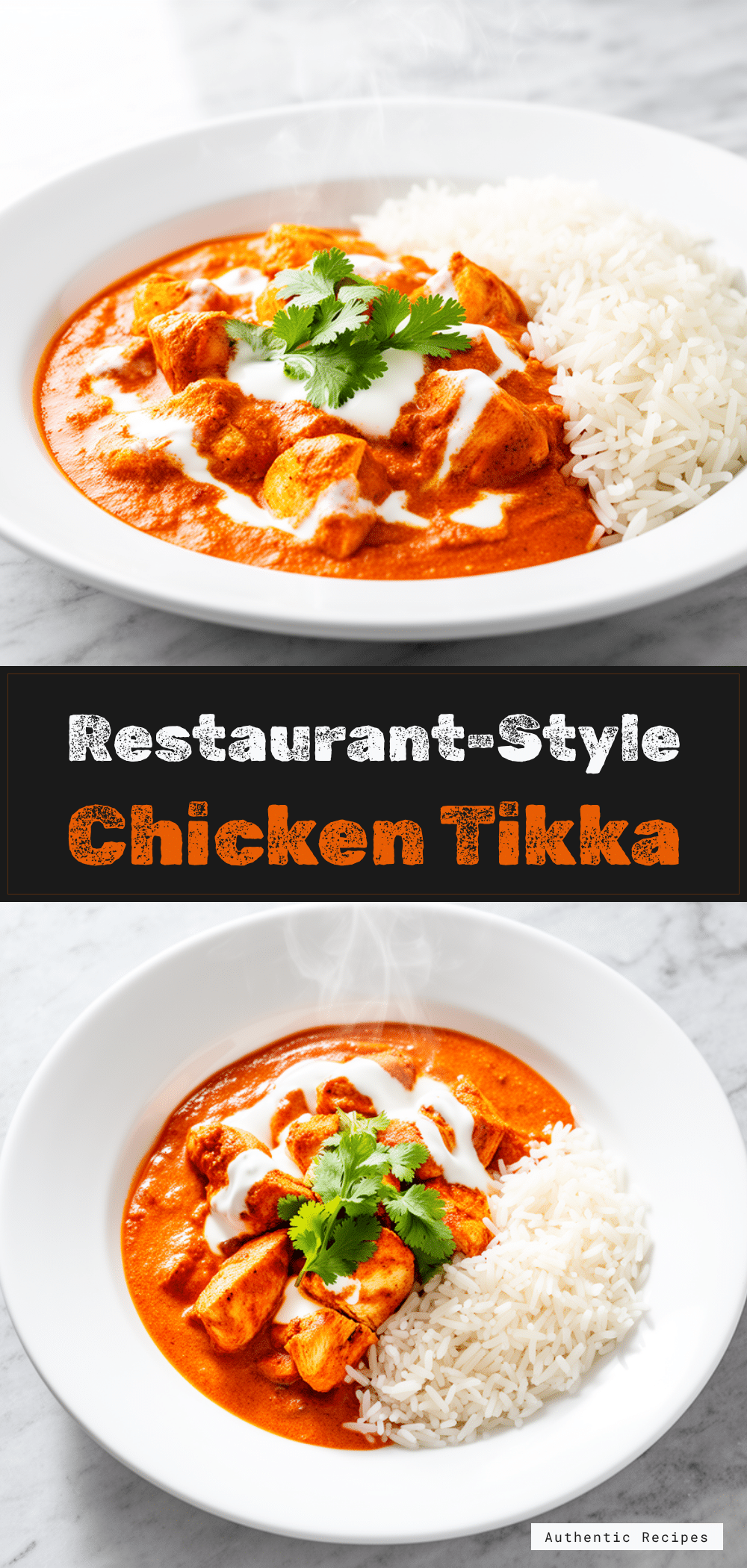
Creamy Chicken Tikka Masala: Best Easy Recipe
- Total Time: 45 minutes
- Yield: 4 servings 1x
Description
A restaurant-style creamy chicken tikka masala made at home with tender, smoky chicken chunks in a rich, spiced, velvety tomato-cream sauce. It’s customizable, easy to make, and tastes better than takeout.
Ingredients
- 1.5 lbs boneless, skinless chicken breasts, cut into 1.5-inch chunks
- ½ cup full-fat plain Greek yogurt
- 2 tablespoons fresh lemon juice
- 2 teaspoons ginger-garlic paste (or 4 cloves garlic minced and 1 tablespoon fresh ginger grated)
- 1 teaspoon garam masala (for marinade)
- ½ teaspoon turmeric powder
- ½ teaspoon cayenne pepper
- 1 teaspoon salt (for marinade)
- 2 tablespoons unsalted butter
- 1 large yellow onion, finely diced
- 4 cloves garlic, minced
- 1 tablespoon fresh ginger, grated
- 1 can (14 oz) crushed tomatoes or tomato puree
- ½ cup heavy cream
- ½ cup low-sodium chicken broth
- 1 tablespoon tomato paste
- 1 tablespoon garam masala (for sauce)
- 1 teaspoon ground cumin
- 1 teaspoon ground coriander
- ¼ cup fresh cilantro, chopped (for garnish)
Instructions
- In a large bowl, combine Greek yogurt, lemon juice, ginger-garlic paste, 1 teaspoon garam masala, turmeric, cayenne, and salt. Add chicken chunks and toss to coat evenly. Cover and refrigerate for at least 30 minutes (up to 4 hours).
- Heat a grill pan or large skillet over medium-high heat with a drizzle of oil. Cook chicken chunks in batches for 2-3 minutes per side until charred and cooked through. Remove chicken and set aside.
- In the same pan, reduce heat to medium and melt butter. Add diced onions and cook for 8-10 minutes until soft, golden, and caramelized. Add minced garlic and fresh ginger, cooking for 1 minute until fragrant.
- Add tomato paste, cumin, coriander, and 1 tablespoon garam masala. Stir constantly for 1-2 minutes to toast the spices.
- Pour in tomato sauce and chicken broth. Stir to combine, scraping up browned bits. Bring to a simmer, then reduce heat to low. Cook uncovered for 10-15 minutes until sauce thickens.
- Optional: Blend the sauce until smooth using a blender or immersion blender, then return to the pan. Stir in heavy cream and season with salt to taste.
- Add cooked chicken chunks back into the sauce. Simmer gently for 2-3 minutes to let flavors meld. Garnish with fresh cilantro and serve with basmati rice and garlic naan.
Notes
The sauce tastes even better the next day. You can marinate the chicken up to 4 hours in advance. For a lighter version, use coconut milk instead of heavy cream. For a vegetarian version, substitute chicken with chickpeas, paneer, or cauliflower. Ensure onions are fully caramelized for the best flavor base.
- Prep Time: 15 minutes
- Cook Time: 30 minutes
- Category: Main Course
- Cuisine: Indian
Nutrition
- Serving Size: 1 serving with rice
- Calories: 450
- Sugar: 8
- Sodium: 600
- Fat: 22
- Saturated Fat: 12
- Carbohydrates: 25
- Fiber: 4
- Protein: 35
Keywords: chicken tikka masala, creamy chicken, indian recipe, easy dinner, restaurant style chicken, tikka masala, homemade indian food