Last Thursday, I was standing in my kitchen at 5:30 PM, staring at the clock like it was going to magically slow down. You know that panic? The one where you’re hungry, tired, and the idea of chopping vegetables for a “real” dinner feels like climbing Everest in flip-flops. I had a package of salmon fillets thawing on the counter—leftover from a nice dinner I’d planned earlier in the week—and a jar of honey butter that had been sitting in my fridge for three weeks, judging me.
I didn’t want to order takeout. I didn’t want to eat cereal. So I threw together what I thought would be a mediocre, rushed meal. I rubbed the salmon with some Cajun seasoning, drizzled it with that honey butter, and tossed in some asparagus and bell peppers. I shoved everything onto a single sheet pan and put it in the oven. I was already mentally preparing to eat this standing over the sink while washing dishes.
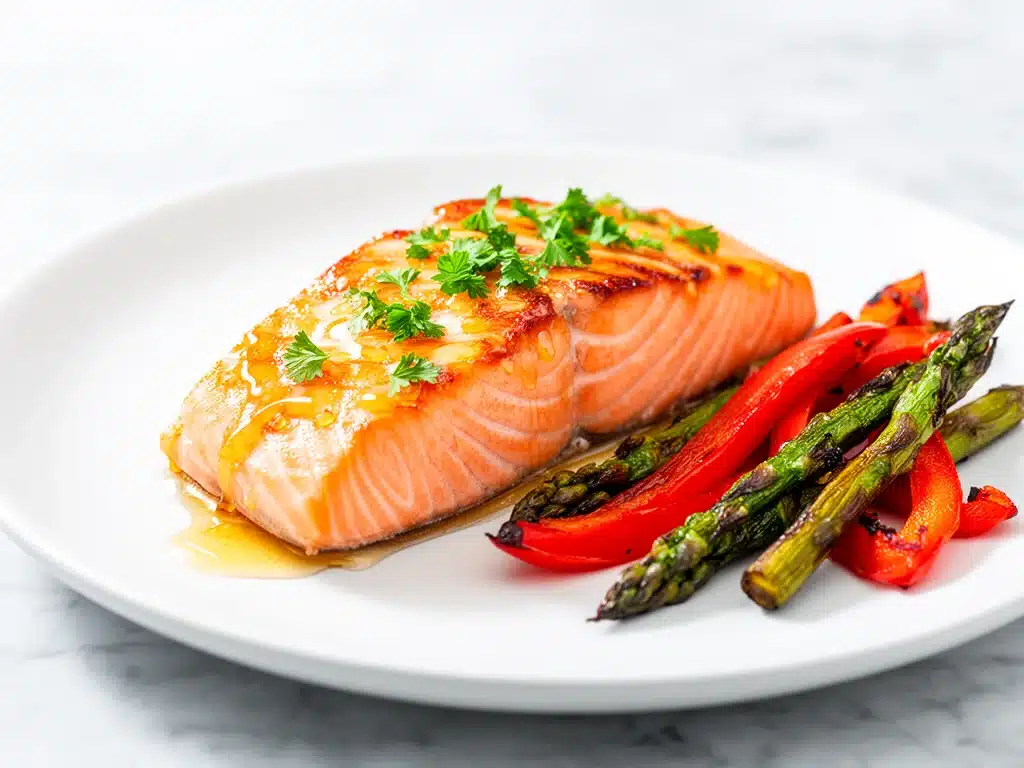
Then, the smell hit me. It wasn’t just “cooking food.” It was sweet, smoky, savory, and buttery all at once. It smelled like a restaurant. When I pulled that Cajun Honey Butter Salmon out of the oven, the butter had caramelized into this gorgeous, glossy glaze. The salmon was flaky, the veggies were charred just right, and my kids—who usually pick the skin off their fish—asked for seconds. Twice.
I’ve made this Cajun Honey Butter Salmon sheet pan dinner at least a dozen times since that Thursday. It has completely replaced my chaotic weeknight routine. It’s not just easy; it’s genuinely impressive. I’ve served this to dinner guests who thought I’d hired a caterer. I’ve fed my hungry husband after a 12-hour workday. And honestly? It’s the only recipe that makes me feel like a gourmet chef without actually doing any gourmet work.
Here’s the thing about sheet pan dinners: most of them are boring. Steamed broccoli and dry chicken breast? No thanks. But this Cajun Honey Butter Salmon is different. The spice kick from the Cajun seasoning cuts through the richness of the honey butter, and the salmon cooks in the same time it takes for the veggies to soften. It’s a flavor explosion in one pan. If you’re tired of the same old grilled chicken routine, trust me, you need to try this. It’s going to become your new best friend.
Why You’ll Love This Cajun Honey Butter Salmon
There are about ten reasons I keep making this, but here are the big ones. This recipe has completely changed how I approach weeknight dinners.
- Zero Stress Cleanup — Seriously, if you can line a pan with foil, you can make this. I use parchment paper because I’m fancy, but foil is fine. One pan to wash. That’s it. No pots, no pans, no scrubbing. I’ve cleaned up this entire dinner in under three minutes.
- Restaurant-Quality Flavor — The combination of spicy Cajun seasoning and sweet, salty honey butter is addictive. It’s not just “good for a quick meal.” It’s genuinely delicious. The glaze caramelizes in the oven, creating this sticky, savory coating that clings to the fish.
- Lightning Fast — 30 minutes from start to finish. 10 minutes of prep, 20 minutes in the oven. I make this on nights when I’m exhausted and just want to sit on the couch. It’s the ultimate lazy chef’s dream.
- Healthy-ish Comfort Food — Salmon is packed with omega-3s and protein. The veggies add fiber. It’s not a diet salad, but it’s way better than fried fish or heavy pasta. I feel good eating this, even with the butter.
- Crowd-Pleaser — I’ve served this to picky eaters, health nuts, and my Cajun-loving uncle. Everyone loves it. The spice level is adjustable, so you can make it mild or fiery depending on who’s eating.
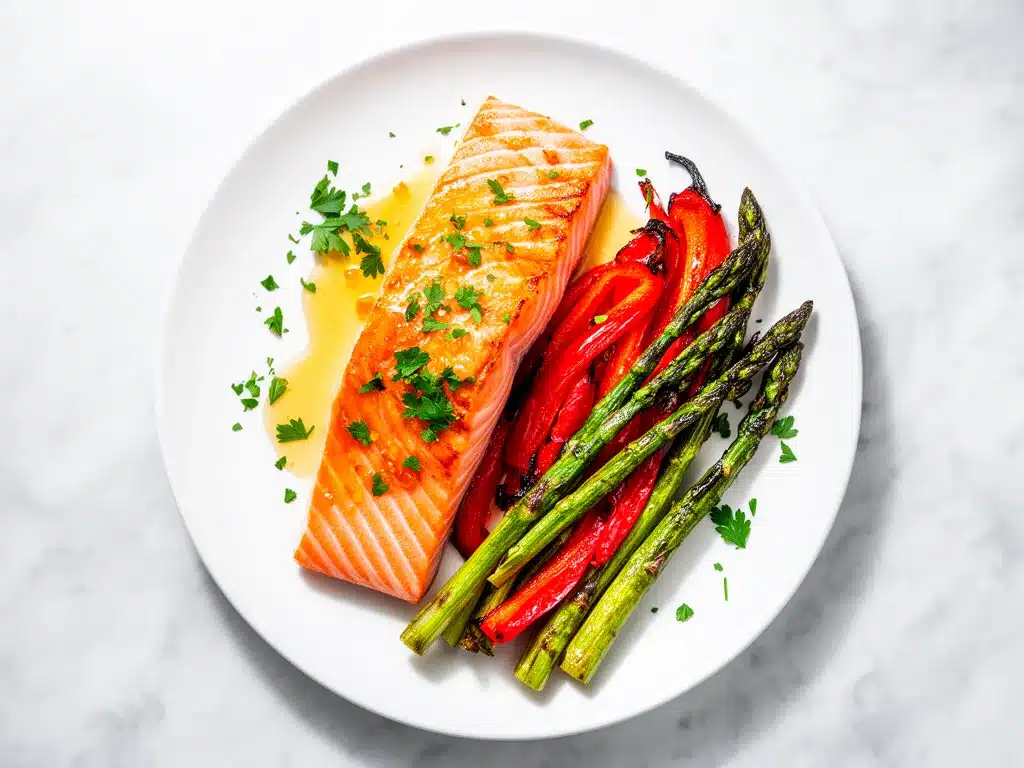
- Impressive Presentation — It looks beautiful on the plate. The orange-pink salmon against the green asparagus and red peppers? It’s photogenic. Perfect for when you want to impress without the work.
This is my go-to when I need dinner to just work. No complicated techniques, no weird ingredients, just reliable, delicious food that makes everyone happy.
Ingredients You’ll Need
Here’s the best part: you probably have most of this already. This Cajun Honey Butter Salmon relies on simple pantry staples and fresh fish. I’m particular about three ingredients here, and I’ll tell you exactly why.
For the Salmon
Salmon Fillets (1.5 lbs / 680g) — I use center-cut fillets, about 6 ounces each. They’re uniform in thickness, which means they cook evenly. Wild-caught is better for flavor, but farmed is fine if it’s what’s on sale. Look for bright pink flesh, not orange-dyed stuff.
Cajun Seasoning (2 tablespoons) — This is the star. I use a good quality blend like Slap Ya Mama or Zataran’s. If you’re making your own, mix paprika, garlic powder, onion powder, cayenne, black pepper, and oregano. Don’t skimp on the cayenne if you like heat.
Neutral Oil (1 tablespoon) — I use avocado oil or grapeseed oil. Olive oil works, but it has a lower smoke point and can get bitter if the pan gets too hot.
For the Honey Butter Glaze
Unsalted Butter (4 tablespoons / 57g) — Softened is best. I take it out of the fridge 15 minutes before cooking. If it’s cold, it won’t mix well with the honey.
Honey (3 tablespoons) — Use good honey. Clover or wildflower tastes better than generic corn syrup blends. The honey caramelizes, so quality matters.
Lemon Juice (1 tablespoon) — Freshly squeezed. Bottled juice tastes metallic and flat. It cuts the richness of the butter and honey.
Garlic (2 cloves, minced) — Fresh only. Jarred garlic tastes weird in this glaze. Minced fine so it doesn’t burn.
For the Veggies
Asparagus (1 bunch, woody ends trimmed) — Thick stalks hold up better. Snap them off at the natural breaking point. They roast beautifully alongside the salmon.
Red Bell Pepper (1 large, chopped) — Adds sweetness and color. Yellow or orange peppers work too. Avoid green peppers; they’re bitter.
Red Onion (1 medium, sliced into wedges) — Sweetens as it roasts. Don’t use yellow onion; it gets too pungent.
Optional Garnishes
Fresh Parsley (2 tablespoons, chopped) — Adds a fresh, herbal bite. I always have it in the fridge.
Lemon Wedges — For squeezing over the top. Essential for brightness.
Cayenne Pepper — Extra pinch if you want it spicier.
Equipment Needed
You don’t need fancy equipment for this. Here’s what I actually use.
Large Sheet Pan — I use a half-sheet pan (18×13 inches). It needs to be big enough to fit the salmon and veggies in a single layer. Crowding the pan steams the food instead of roasting it. My old, slightly dented pan works perfectly.
Parchment Paper or Aluminum Foil — For easy cleanup. I prefer parchment because the honey butter doesn’t stick to it as much. Foil works, but you might need to scrub a bit.
Small Mixing Bowl — For mixing the honey butter glaze. Any bowl will do.
Pastry Brush — For brushing the glaze onto the salmon. Silicone brushes are easier to clean than bristle ones.
Sharp Knife — For chopping veggies and trimming asparagus. A dull knife is dangerous and annoying.
Cutting Board — Any size. I use a plastic one for veggies and a separate one for raw fish to avoid cross-contamination.
How to Make It: Step-by-Step
Alright, let’s make this! I’m walking you through exactly how I do it, including the little tricks I’ve picked up.
Step 1: Prep the Pan and Oven (5 minutes)
Preheat your oven to 400°F (200°C). Line your sheet pan with parchment paper or foil. I line it because the honey butter can bubble over and stick if you don’t. While the oven heats, get your ingredients ready.
Step 2: Season the Salmon (2 minutes)
Pat the salmon fillets dry with paper towels. Moisture is the enemy of good searing. Rub them lightly with the neutral oil on both sides. Sprinkle the Cajun seasoning generously over the top side only. Press it in gently so it sticks. Don’t season the bottom yet; it’ll get soggy.
Step 3: Prepare the Honey Butter Glaze (3 minutes)
In a small bowl, mix the softened butter, honey, minced garlic, and lemon juice. Whisk until smooth and creamy. It should look like a thick paste. If it’s too stiff, microwave it for 10 seconds to soften it up.
Step 4: Chop the Veggies (5 minutes)
Chop the bell pepper into 1-inch pieces. Slice the red onion into wedges, keeping the layers intact. Trim the woody ends off the asparagus. Toss the veggies in a bowl with a little oil, salt, and pepper. Spread them out on the sheet pan, leaving space in the middle for the salmon.
Step 5: Assemble and Bake (15-18 minutes)
Place the salmon fillets on the sheet pan, skin-side down. Brush the top of each fillet with half of the honey butter glaze. Put the pan in the oven. Bake for 12 minutes.
Step 6: Add the Glaze and Finish (5-6 minutes)
Take the pan out. Brush the remaining glaze over the salmon. The salmon should be mostly cooked but still a bit translucent in the center. Put it back in the oven for 3-5 more minutes, until the salmon flakes easily with a fork and the glaze is bubbly and caramelized. Watch it closely in the last few minutes; honey burns fast.
Step 7: Rest and Serve
Let the salmon rest for 2 minutes on the pan. This lets the juices redistribute. Sprinkle with fresh parsley and serve with lemon wedges. The veggies should be tender-crisp and slightly charred.
Total Time: About 30 minutes (10 minutes active, 20 minutes hands-off)
Expert Tips & Tricks
Here’s everything I’ve learned from making this dozens of times. These tips will save you from my mistakes.
Don’t Overcook the Salmon
This is the #1 mistake. Salmon continues to cook after it’s out of the oven. Remove it when it’s just barely opaque in the center. It should flake easily but still be moist. Overcooked salmon is dry and rubbery. Trust your eyes, not just the timer.
Use Fresh Lemon Juice
Bottled lemon juice tastes like chemicals. Fresh lemon juice adds brightness that balances the sweet honey and rich butter. It’s worth the extra 30 seconds to squeeze a lemon.
Pat the Salmon Dry
Moisture prevents the seasoning from sticking and can steam the fish. Pat it dry with paper towels before oiling and seasoning. It makes a huge difference in texture.
Watch the Honey
Honey burns at a lower temperature than butter. Keep an eye on the pan in the last 5 minutes. If the glaze is getting too dark, cover it loosely with foil. You want caramelization, not charcoal.
Room Temperature Butter
Softened butter mixes better with honey and garlic. Cold butter creates lumps that don’t spread evenly. Take it out of the fridge early.
Common Mistakes
Mistake: Veggies are raw. Fix: Chop them smaller or roast them for 5 minutes before adding the salmon.
Mistake: Glaze is too thin. Fix: Use less honey or cook longer to reduce it.
Mistake: Glaze is too thick. Fix: Add a splash of water or lemon juice to loosen it.
Variations & Substitutions
Once you’ve nailed the basic version, here’s how you can mix it up. I’ve tried all of these.
Spicy Version
Add an extra teaspoon of cayenne pepper to the Cajun seasoning. Or swap honey for hot honey. This is for those who like it fiery.
Mild Version
Use mild Cajun seasoning or just garlic powder and paprika. Reduce the cayenne. Great for kids or spice-sensitive guests.
Different Veggies
Use broccoli florets, zucchini slices, or cherry tomatoes. Cherry tomatoes burst and add sweetness. Zucchini cooks faster, so add it later.
Gluten-Free
Most Cajun seasonings are gluten-free, but check the label. Some blends contain wheat. Use certified GF seasoning to be safe.
Dairy-Free
Replace butter with olive oil or coconut oil. The texture will be different, but the flavor still works. Use maple syrup instead of honey for vegan option.
Other Fish
Works with cod, tilapia, or trout. Adjust cooking time based on thickness. White fish cooks faster, so check it at 10 minutes.
Serving & Storage
How to Serve: I serve this straight from the pan. It looks rustic and stays warm. Pair with rice, quinoa, or crusty bread to soak up the glaze.
Side Dishes: Garlic bread, steamed rice, or a simple green salad. The salmon is rich, so light sides work best.
Storage: Store leftovers in an airtight container in the fridge for up to 3 days. The salmon will dry out slightly, so reheat gently.
Reheating: Best method: Oven at 350°F for 10 minutes. Microwave in 30-second intervals with a splash of water. Don’t overheat.
Freezing: Not recommended. The texture of salmon changes when frozen and reheated. Eat fresh or refrigerate.
Nutrition Information
I’m not a nutritionist, but here’s the breakdown if you’re tracking. Per serving (based on 4 servings):
- Calories: 450
- Protein: 35g
- Carbs: 12g
- Fiber: 3g
- Fat: 28g
- Saturated Fat: 12g
- Cholesterol: 95mg
- Sodium: 600mg
It’s higher in calories from the butter and honey, but packed with protein and healthy fats. It’s comfort food, so enjoy it without guilt.
Final Thoughts
So that’s my Cajun Honey Butter Salmon sheet pan dinner! I’ve probably talked your ear off at this point, but when you make a recipe this often, you have a lot to say about it.
This has saved weeknight dinners more times than I can count. It’s my answer to “what’s for dinner” when I’m tired, don’t want takeout, and still want something that tastes really good. My kids are happy, my husband’s happy, and I’m happy because I’m not stressed about cooking.
Make it yours! Try different veggies, adjust the spice, swap the fish. The best recipes are the ones you adapt to your family’s tastes.
If you make this, drop a comment and let me know what you think! I love hearing how recipes turn out in your kitchen. And if something doesn’t work, tell me that too—I’m here to help troubleshoot.
Happy cooking! And I hope your kitchen smells half as good as mine does right now.
Frequently Asked Questions
Can I use frozen salmon?
You can, but thaw it completely first. Pat it dry very well. Frozen salmon releases more water, so it can steam instead of roast. Fresh is always better for this recipe.
Why did my salmon stick to the pan?
Usually means the pan wasn’t lined or the salmon wasn’t oiled enough. Always use parchment or foil. Also, don’t move the salmon while it’s cooking. Let it release naturally.
Can I make this ahead?
Prep the veggies and mix the glaze ahead. Store in the fridge. Assemble and bake right before serving. Don’t assemble the salmon too early or it’ll get mushy.
What if I don’t have Cajun seasoning?
Use Italian seasoning mixed with paprika and cayenne. Or just garlic powder, onion powder, and black pepper. It won’t be authentic, but it’ll still be good.
How do I know when the salmon is done?
It should flake easily with a fork and be opaque throughout. The internal temperature should be 145°F (63°C). But I pull it at 140°F because it’ll carry over cook.
Can I double this recipe?
Yes, use two sheet pans. Don’t overcrowd them. You might need to rotate the pans in the oven halfway through for even cooking.
Why did my glaze burn?
Honey burns easily. Check the pan in the last 5 minutes. If it’s getting too dark, cover with foil. Lower the oven temperature by 25°F if this happens often.
Pin This Recipe!
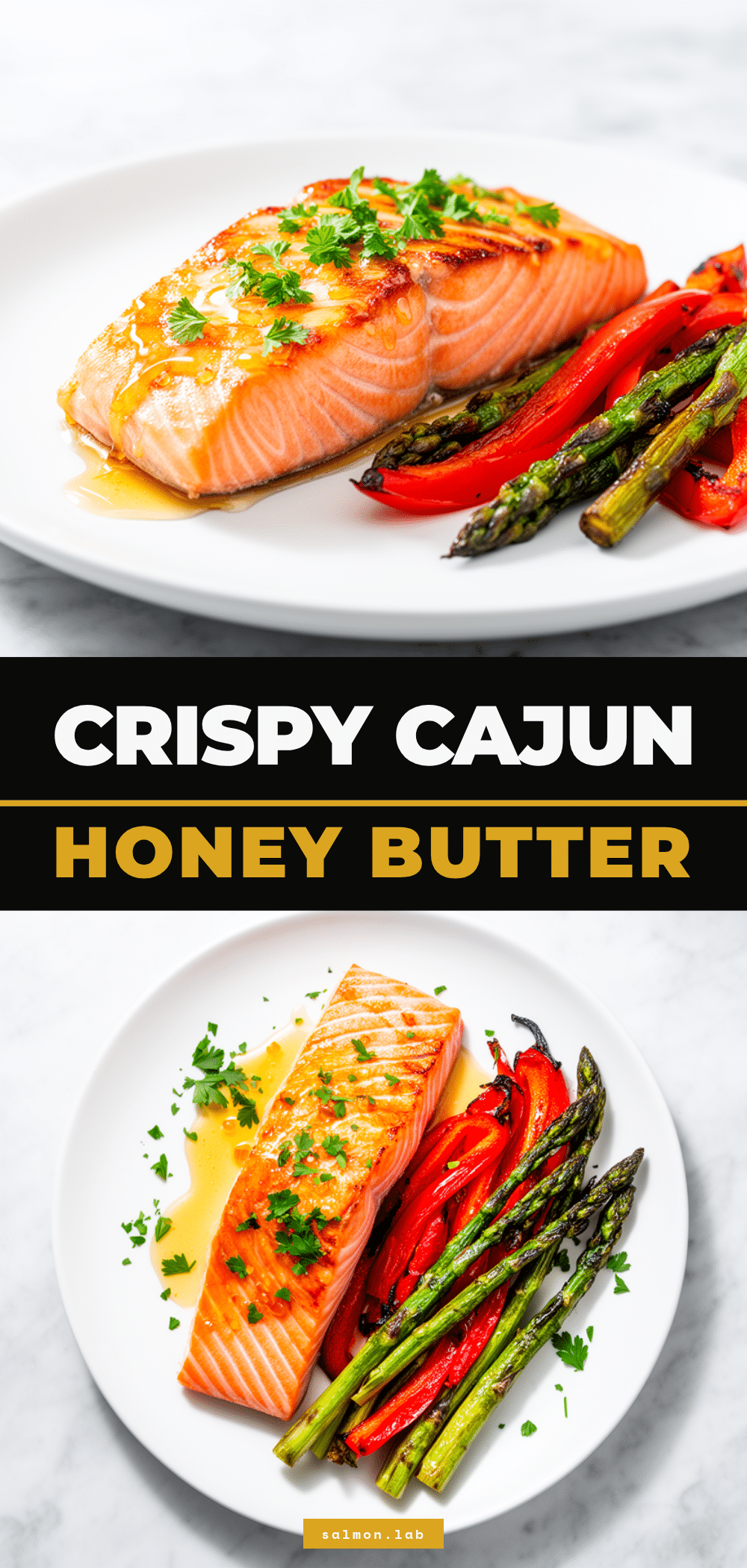
Cajun Honey Butter Salmon: Easy Sheet Pan Dinner
- Total Time: 30 minutes
- Yield: 4 servings 1x
Description
A quick and impressive weeknight meal featuring salmon fillets roasted on a sheet pan with a sweet and spicy Cajun honey butter glaze, asparagus, and bell peppers.
Ingredients
- 1.5 lbs salmon fillets (center-cut, about 6 ounces each)
- 2 tablespoons Cajun seasoning
- 1 tablespoon neutral oil (avocado or grapeseed)
- 4 tablespoons unsalted butter (softened)
- 3 tablespoons honey
- 1 tablespoon lemon juice (freshly squeezed)
- 2 cloves garlic (minced)
- 1 bunch asparagus (woody ends trimmed)
- 1 large red bell pepper (chopped)
- 1 medium red onion (sliced into wedges)
- 2 tablespoons fresh parsley (chopped, optional garnish)
- Lemon wedges (for serving)
- Cayenne pepper (optional, for extra heat)
Instructions
- Preheat oven to 400°F (200°C). Line a large half-sheet pan (18×13 inches) with parchment paper or aluminum foil.
- Pat salmon fillets dry with paper towels. Rub lightly with neutral oil on both sides. Sprinkle Cajun seasoning generously over the top side only, pressing gently to adhere.
- In a small bowl, whisk together softened butter, honey, minced garlic, and lemon juice until smooth and creamy.
- Chop bell pepper into 1-inch pieces and slice red onion into wedges. Trim asparagus ends. Toss vegetables with a little oil, salt, and pepper, then spread on the sheet pan, leaving space in the middle for the salmon.
- Place salmon fillets skin-side down on the pan. Brush the top of each fillet with half of the honey butter glaze.
- Bake for 12 minutes.
- Remove pan from oven. Brush remaining glaze over the salmon. Return to oven and bake for 3-5 more minutes until salmon flakes easily with a fork and glaze is caramelized.
- Let salmon rest for 2 minutes. Sprinkle with fresh parsley and serve with lemon wedges.
Notes
Do not overcrowd the pan to ensure roasting rather than steaming. Watch the honey closely in the last few minutes as it burns easily. Salmon continues to cook after removal from the oven, so remove when just barely opaque in the center. For dairy-free, substitute butter with olive oil or coconut oil and honey with maple syrup.
- Prep Time: 10 minutes
- Cook Time: 20 minutes
- Category: Main Course
- Cuisine: American
Nutrition
- Serving Size: 1 salmon fillet with
- Calories: 450
- Sugar: 12
- Sodium: 600
- Fat: 28
- Saturated Fat: 12
- Carbohydrates: 12
- Fiber: 3
- Protein: 35
Keywords: salmon, sheet pan dinner, cajun salmon, honey butter salmon, easy weeknight dinner, healthy fish recipe, gluten-free option