I have a confession to make. For years, I avoided making breakfast casseroles. Why? Because every time I tried one, it ended up somewhere between a rubber tire and a wet sponge. I’d over-whisk the eggs, under-season the sausage, or—worst of all—try to cut it into neat squares while it was still hot, only to watch it collapse into a messy, scrambled mess. It was embarrassing. I’d show up to a potluck with a dish that looked like it had been through a war zone, and my friends would politely take a bite and never mention it again.
Then, three years ago, I decided I was done guessing. I wanted a breakfast casserole that was forgiving, simple, and actually held together. I wanted something that a total beginner could throw together the night before and wake up to without a single panic attack. After testing at least a dozen versions (and eating a lot of failed attempts), I finally nailed it. This beginner-friendly breakfast sausage and egg casserole is the one. It’s the kind of dish that makes you feel like a morning genius, even if you’re operating on zero sleep and half a cup of coffee.
What makes this recipe different? It’s not about fancy techniques or expensive ingredients. It’s about balance. It’s about knowing exactly when to stop whisking and when to let the cheese do its job. It’s about building layers that actually stay distinct. If you’ve been intimidated by brunch dishes, this is your safe place. It’s sturdy, it’s savory, and it’s incredibly hard to mess up. Once you make this, you’ll wonder why you ever bought frozen breakfast sandwiches. Trust me, once you try this, you’ll want to make this double-chocolate zucchini bread next for a sweet contrast, but for now, let’s focus on the savory stuff.
Why You’ll Love This Beginner Breakfast Casserole
There are about ten reasons I keep making this, but here are the big ones that convinced me to stop buying pre-made breakfast rolls:
- It’s Actually Forgiving — Seriously, if you can boil water and break an egg, you can make this. I’ve walked my teenage niece through it over the phone, and she made a perfect one on her first try. There are no delicate soufflés here.
- Make-Ahead Magic — You assemble it the night before. The fridge does the work while you sleep. In the morning, you just pop it in the oven. No standing over a stove stirring eggs at 6 AM.
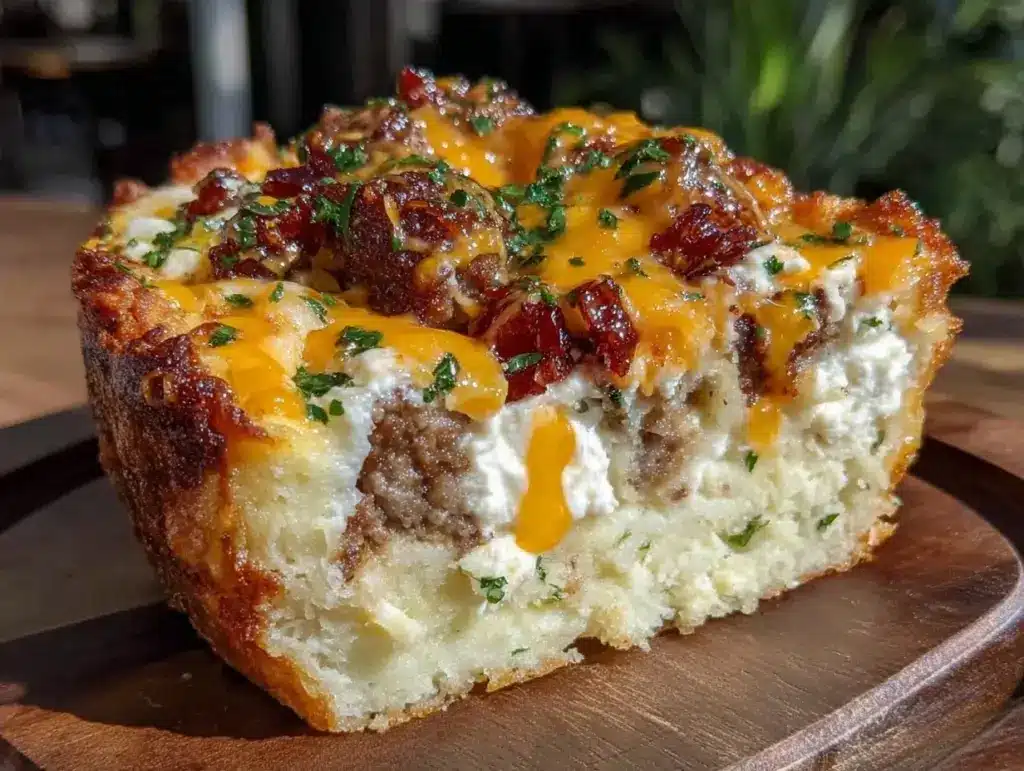
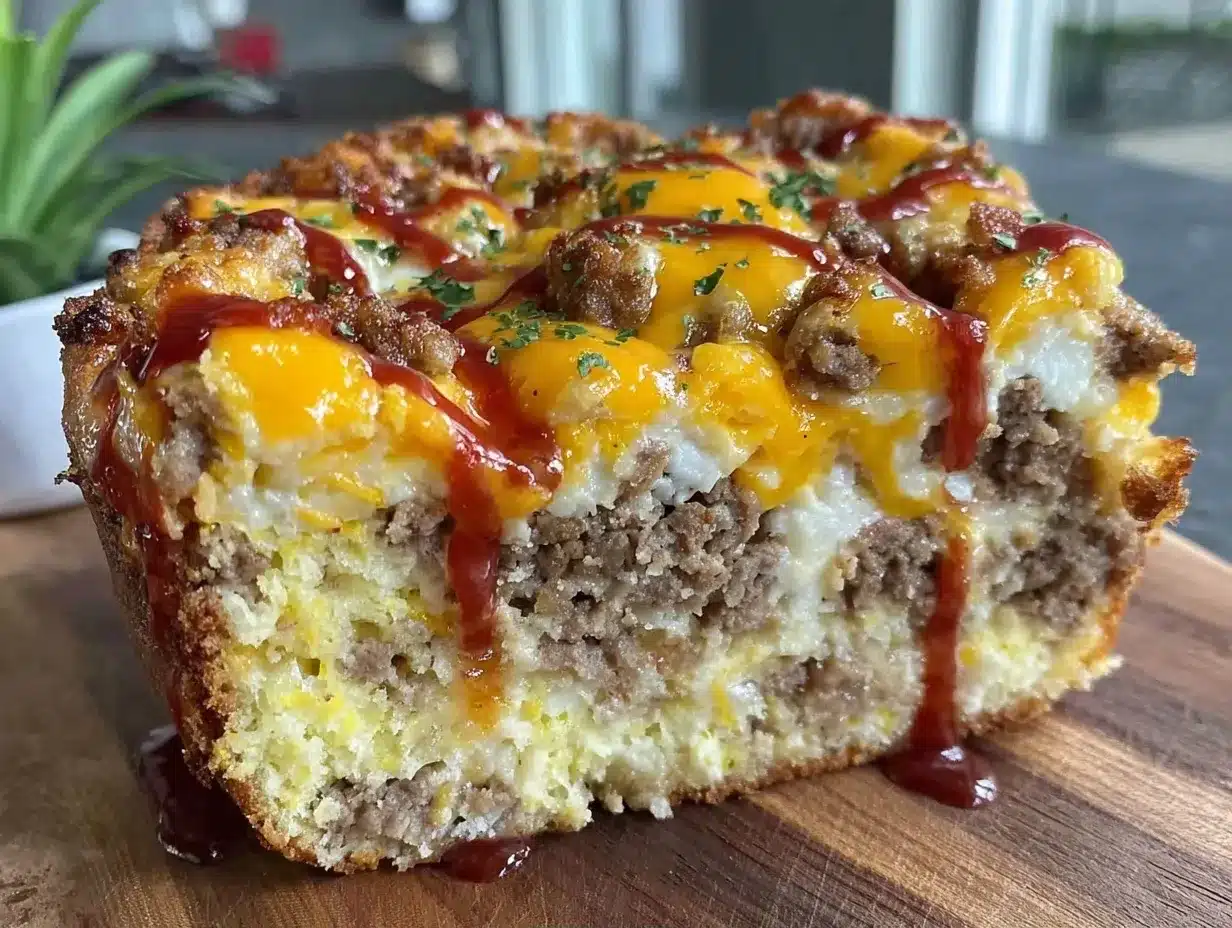
- Sturdy Enough for Guests — This isn’t a loose scramble. It sets firm enough to cut into neat squares or wedges. It travels well. It sits on a buffet table without looking sad. It looks like you tried hard, even though you didn’t.
- Customizable Basics — You have the base recipe down, then you can tweak it. Want more cheese? Add it. Hate sausage? Use bacon. This recipe is your canvas, not a rigid rulebook.
- Leftovers That Taste Better — Cold or reheated, it’s delicious. I pack square portions for lunch the next day, and they hold up in the microwave without drying out. It’s like a savory breakfast cookie you can eat with your hands.
This is my go-to when I want to feel put-together without actually being put-together. It’s reliable. It’s hearty. And it tastes like a proper weekend breakfast, not just toast with jam.
Ingredients You’ll Need
Here’s the best part: you probably have most of this already. This isn’t a recipe that requires a trip to three different specialty stores. It’s pantry and fridge staples that come together to create something greater than the sum of its parts.
For the Base
Breakfast Sausage (1 pound / 450g) — I use the pork variety, mild or spicy depending on my mood. You can use turkey or chicken sausage if you prefer, but pork has the fat content that keeps the casserole moist. Crumble it into the pan and cook until browned. Drain excess grease, but don’t wipe the pan completely clean—that flavor is gold.
Hash Brown Potatoes (12 ounces / 340g) — I use frozen shredded hash browns. They’re convenient and cook evenly. If you’re feeling ambitious, you can use fresh diced potatoes, but you’ll need to par-cook them first. For beginners, stick with frozen. They save time and ensure a consistent texture.
Sharp Cheddar Cheese (2 cups / 200g, shredded) — Buy a block and shred it yourself. Pre-shredded cheese is coated in cellulose to prevent clumping, which stops it from melting smoothly. You want gooey, melted cheese, not grainy bits. Sharp cheddar has the best flavor punch here.
For the Egg Mixture
Eggs (8 large) — Room temperature eggs mix more evenly, but cold eggs work fine too. Just beat them well. The ratio is key here: too many eggs and it’s like a frittata; too few and it’s dry. Eight eggs for a 9×13 dish is the sweet spot.
Heavy Cream (1 cup / 240ml) — This is what makes it creamy and rich. You can use half-and-half if you want it lighter, but the texture won’t be as luxuriously soft. Whole milk works too, but it’s thinner. For a beginner recipe, I recommend not skimping on the cream.
Milk (½ cup / 120ml) — I use whole milk. It adds volume without the heaviness of extra cream. It helps distribute the eggs evenly through the potatoes and sausage.
For the Flavor
Dijon Mustard (1 tablespoon) — This is the secret weapon. It doesn’t make it taste like mustard. It adds a tangy depth that cuts through the richness of the eggs and cheese. Trust me on this.
Garlic Powder (1 teaspoon) — Fresh garlic can burn or get too sharp in a baked dish. Garlic powder distributes evenly and gives a subtle savory background note.
Onion Powder (1 teaspoon) — Again, for even distribution. If you want fresh onion, you can sauté some finely diced yellow onion with the sausage, but powder is easier and less messy.
Salt and Black Pepper — Generous amounts. Eggs need salt to taste like eggs. Don’t be shy.
Optional Add-ins:
Diced Bell Peppers (½ cup) — Sauté them with the sausage for sweetness.
Fresh Chives (2 tablespoons, chopped) — Stir in at the end for a fresh bite.
Hot Sauce — A dash in the egg mixture for kick.
Equipment Needed
You don’t need fancy equipment for this. Here’s what I actually use:
9×13 Inch Baking Dish — Glass or ceramic works best. It distributes heat evenly. I use a Pyrex dish because I can see the browning on the edges. A metal pan works too, but it might brown the edges faster.
Large Skillet — For cooking the sausage. I use a 12-inch cast iron skillet. It holds heat well and makes cleanup easy. If you don’t have cast iron, a non-stick skillet is fine.
Large Mixing Bowl — Something wide enough to whisk the eggs and cream comfortably. A bowl with a spout helps when pouring the mixture over the potatoes.
Whisk — Essential for getting the eggs smooth. No lumps. No streaks of white egg white. Just uniform yellow.
Wooden Spoon — For stirring the sausage and mixing the dry ingredients. Silicone works too, but wood feels nicer in my hand.
Box Grater — For shredding your own cheese. It takes two minutes and makes a huge difference in the final texture.
How to Make It: Step-by-Step
Alright, let’s make this! I’m walking you through exactly how I do it, including the little tricks I’ve picked up to ensure your casserole turns out perfect every time.
Step 1: Prep the Night Before (15 minutes)
This is the step that saves your morning. Start by preheating your oven to 350°F (175°C). Grease your 9×13 baking dish with butter or cooking spray. I use butter—it adds a nice flavor to the edges.
Next, cook the sausage. Crumble it into your large skillet over medium heat. Cook until it’s browned and no longer pink. This usually takes about 8-10 minutes. Use your wooden spoon to break it up into small crumbles. Once it’s done, drain the excess grease on a paper towel. You don’t need to wipe the pan clean, just get rid of the liquid fat so the casserole isn’t greasy.
Step 2: Layer the Base
Spread the frozen hash browns evenly into the bottom of your greased baking dish. Don’t thaw them first—they cook better frozen. If you’re adding diced vegetables like bell peppers or onions, sprinkle them over the potatoes now.
Scatter the cooked sausage crumbles evenly over the potatoes. Try to distribute them so you get a bit in every square. Then, sprinkle half of the shredded cheddar cheese over the sausage. This layering ensures every bite has cheese, not just the top.
Step 3: Make the Egg Mixture
In your large mixing bowl, crack the 8 eggs. Add the heavy cream, milk, Dijon mustard, garlic powder, onion powder, salt, and black pepper. Whisk vigorously for about 30-60 seconds. You want it fully combined and slightly frothy. If you see streaks of egg white, keep whisking. This ensures even cooking.
Step 4: Combine and Chill
Pour the egg mixture evenly over the layered ingredients in the baking dish. Use a spatula to gently spread it around, making sure it seeps down into the potato and sausage layers. You want to cover everything.
Now, sprinkle the remaining half cup of cheese on top. This creates that golden, cheesy crust.
Cover it tightly with plastic wrap or foil and place it in the refrigerator. Let it sit for at least 4 hours, or ideally overnight. This step is crucial. It allows the potatoes to absorb some of the egg mixture, so they don’t end up crunchy or dry. It also helps the flavors meld together. If you’re in a rush, you can bake it immediately, but the texture won’t be quite as cohesive.
Step 5: Bake
When you’re ready to bake, remove the casserole from the fridge and let it sit at room temperature for 20 minutes while the oven preheats to 350°F (175°C). This helps it bake more evenly.
Bake uncovered for 45-55 minutes. The casserole is done when the edges are set and golden brown, and the center is just set (it should jiggle slightly like Jell-O, not look liquid). If the top is browning too fast, tent it loosely with foil for the last 10 minutes.
Step 6: Rest and Serve
This is the hardest part: waiting. Remove the casserole from the oven and let it rest for 10-15 minutes before cutting. If you cut it immediately, it will fall apart. The resting time allows the structure to set. After 10 minutes, slice it into squares or wedges. Serve warm.
Expert Tips & Tricks
Here’s everything I’ve learned from making this dozens of times. These tips will save you from my early mistakes.
Don’t Skip the Resting Time
I know you’re hungry. You smell the cheese. You want to eat it now. But if you cut it hot, it will collapse. Let it rest for at least 10 minutes. The structure needs to firm up. It’s worth the wait.
Shred Your Own Cheese
I cannot stress this enough. Pre-shredded cheese has anti-caking agents that prevent it from melting properly. Your casserole will look greasy and the cheese won’t bind together. Buy a block of sharp cheddar and grate it. It takes 2 minutes and changes everything.
Drain the Sausage Grease
Sausage releases a lot of fat. If you don’t drain it, your casserole will be oily and the bottom layer of potatoes might get soggy. Just pour the cooked sausage into a colander or on paper towels before adding it to the dish.
Use Frozen Hash Browns
Fresh potatoes take longer to cook and release more water, which can make the casserole watery. Frozen shredded hash browns are pre-cooked slightly and have less moisture. They create a tender, consistent texture without extra effort.
Whisk Until Frothy
Don’t just stir the eggs. Whisk them until you see bubbles on top. This incorporates air and ensures the eggs cook evenly. No white streaks, no yellow clumps. Just smooth, uniform yellow.
Variations & Substitutions
Once you’ve nailed the basic version, here’s how you can mix it up. I’ve tried all of these.
Bacon and Cheese Version
Swap the sausage for cooked, crumbled bacon. It’s smokier and less fatty. Great if you’re avoiding pork.
Veggie-Packed
Add 1 cup of sautéed spinach, mushrooms, or bell peppers. Sauté the veggies first to remove excess moisture, then layer them in. This is how I sneak vegetables into breakfast.
Spicy Kick
Use hot sausage instead of mild. Add a teaspoon of cayenne pepper or red pepper flakes to the egg mixture. Top with sliced jalapeños before baking.
Lighter Version
Use egg whites instead of whole eggs (use 1 cup of egg whites for every 2 whole eggs). Swap heavy cream for whole milk. It’s still good, just less rich.
Gluten-Free
Most ingredients are naturally gluten-free. Just check your sausage label to ensure it doesn’t contain wheat fillers. Use gluten-free hash browns if needed.
Dairy-Free
Use dairy-free cheese and coconut milk instead of cream/milk. It’s not the same texture, but it works in a pinch. My dairy-free friend loves it with nutritional yeast instead of cheese.
Serving & Storage
How to Serve:
I usually serve this straight from the baking dish at the brunch table. It looks rustic and inviting. Pair it with fresh fruit, like berries or melon, to cut the richness. A simple green salad with a vinaigrette also works well if you’re serving a large group.
Leftovers:
Store leftovers in an airtight container in the refrigerator for up to 4 days. The casserole holds up well in the fridge.
Reheating:
Best method: Place a square in a microwave-safe dish, add a splash of water or milk to keep it moist, and heat in 30-second intervals until warm.
Oven method: Cover with foil and reheat at 350°F for 15-20 minutes. This restores the texture better than the microwave.
Freezing:
Yes, you can freeze this! Assemble the casserole as directed, but do not bake it. Cover tightly with plastic wrap and then foil. Freeze for up to 2 months. When ready to eat, thaw in the fridge overnight, then bake as directed, adding 10-15 minutes to the baking time.
Nutrition Information
I’m not a nutritionist, but here’s the breakdown if you’re tracking. This is a hearty meal, so portions matter.
Per Serving (based on 12 squares):
– Calories: 320
– Protein: 18g
– Carbs: 14g
– Fiber: 1g
– Sugar: 2g
– Fat: 22g
– Saturated Fat: 10g
– Cholesterol: 160mg
– Sodium: 580mg
Look, this is comfort food. It’s rich and savory. It’s not a diet recipe, but it’s packed with protein from the eggs and cheese, which keeps you full. If you want to lighten it up, use the egg white variation or reduce the cheese. But usually? I just enjoy a square or two and move on with my day.
Final Thoughts
So that’s my beginner-friendly breakfast sausage and egg casserole! It’s simple, it’s forgiving, and it tastes incredible. I’ve made this for holidays, for casual Sunday mornings, and even for last-minute guests. It never fails. It’s the kind of recipe that makes you feel confident in the kitchen, even if you’ve never baked before.
If you make this, drop a comment and let me know how it turned out! I love hearing how recipes work in your home. And if something doesn’t work, tell me that too—I’m here to help troubleshoot. Happy cooking! And I hope your kitchen smells half as good as mine does right now.
Frequently Asked Questions
Can I use fresh potatoes instead of frozen hash browns?
You can, but you’ll need to par-cook them first. Dice the potatoes small and boil them for 5-7 minutes until tender, then drain well and pat dry. If you use raw potatoes, they won’t cook through in the time it takes to set the eggs, and your casserole will be crunchy. Frozen hash browns are pre-cooked, so they’re much easier for beginners.
Why did my casserole turn out watery?
Usually, this happens if the potatoes weren’t drained well or if the casserole wasn’t baked long enough. If using fresh potatoes, make sure you squeeze out excess moisture. Also, ensure you’re baking it for the full 45-55 minutes. The center should be set, not jiggly like liquid. If it’s watery, you can bake it for another 5-10 minutes.
Can I make this ahead and freeze it?
Yes! Assemble the casserole in the dish, cover tightly with plastic wrap and foil, and freeze for up to 2 months. Thaw in the fridge overnight before baking. You may need to add 10-15 minutes to the baking time since it’s starting cold.
Can I use turkey sausage instead of pork?
Absolutely. Turkey sausage is leaner and has a milder flavor. Just note that it might release less fat, so your casserole will be slightly less rich. Cook it until browned and drain any excess liquid, just like with pork sausage.
How do I reheat leftovers without it getting dry?
Add a splash of milk or water to the leftover square before microwaving. Cover it loosely with a paper towel to trap steam. Heat in 30-second intervals, checking between each. This keeps the eggs moist. For oven reheating, cover with foil to prevent drying out.
Can I double this recipe?
Yes, but you’ll need a larger baking dish (like a 9×13 plus a smaller side dish, or two 8×8 dishes). The baking time might increase by 5-10 minutes. Keep an eye on it to ensure the center is set.
Is there a substitute for heavy cream?
You can use half-and-half or whole milk. The texture will be slightly less rich, but it will still work. If you want a dairy-free option, use full-fat coconut milk (the canned kind). It adds a subtle coconut flavor, so keep that in mind.
Pin This Recipe!

Best Breakfast Sausage and Egg Casserole: Beginner Friendly
- Total Time: 1 hour 10 minutes
- Yield: 12 servings 1x
Description
A forgiving, make-ahead breakfast casserole that is sturdy enough for guests and simple enough for beginners. Layered with sausage, hash browns, and cheese, then baked in a creamy egg mixture for a hearty weekend brunch.
Ingredients
- 1 pound breakfast sausage (pork, turkey, or chicken)
- 12 ounces frozen shredded hash browns
- 2 cups sharp cheddar cheese, shredded
- 8 large eggs
- 1 cup heavy cream
- 1/2 cup whole milk
- 1 tablespoon Dijon mustard
- 1 teaspoon garlic powder
- 1 teaspoon onion powder
- Salt and black pepper to taste
- Butter or cooking spray for greasing dish
Instructions
- Preheat oven to 350°F (175°C) and grease a 9×13 inch baking dish with butter or cooking spray.
- Crumble sausage into a large skillet over medium heat and cook until browned (8-10 minutes). Drain excess grease on paper towels.
- Spread frozen hash browns evenly into the bottom of the prepared baking dish.
- Scatter the cooked sausage crumbles evenly over the hash browns.
- Sprinkle half of the shredded cheddar cheese over the sausage.
- In a large mixing bowl, whisk eggs, heavy cream, milk, Dijon mustard, garlic powder, onion powder, salt, and pepper until frothy.
- Pour the egg mixture evenly over the layered ingredients, ensuring it seeps down into the layers.
- Sprinkle the remaining half cup of cheese on top.
- Cover tightly with plastic wrap or foil and refrigerate for at least 4 hours or overnight.
- Remove from fridge and let sit at room temperature for 20 minutes while oven preheats.
- Bake uncovered for 45-55 minutes until edges are set and golden brown, and the center jiggles slightly.
- Let rest for 10-15 minutes before slicing into squares or wedges to allow structure to set.
Notes
Shred your own cheese to ensure smooth melting. Do not skip the resting time after baking, or the casserole may fall apart. Frozen hash browns are recommended over fresh to prevent watery texture. Can be frozen unbaked for up to 2 months.
- Prep Time: 15 minutes
- Cook Time: 45-55 minutes
- Category: Breakfast
- Cuisine: American
Nutrition
- Serving Size: 1 square or wedge
- Calories: 320
- Sugar: 2
- Sodium: 580
- Fat: 22
- Saturated Fat: 10
- Carbohydrates: 14
- Fiber: 1
- Protein: 18
Keywords: breakfast casserole, sausage and egg casserole, make ahead breakfast, beginner friendly recipe, brunch ideas, egg casserole, hash brown casserole