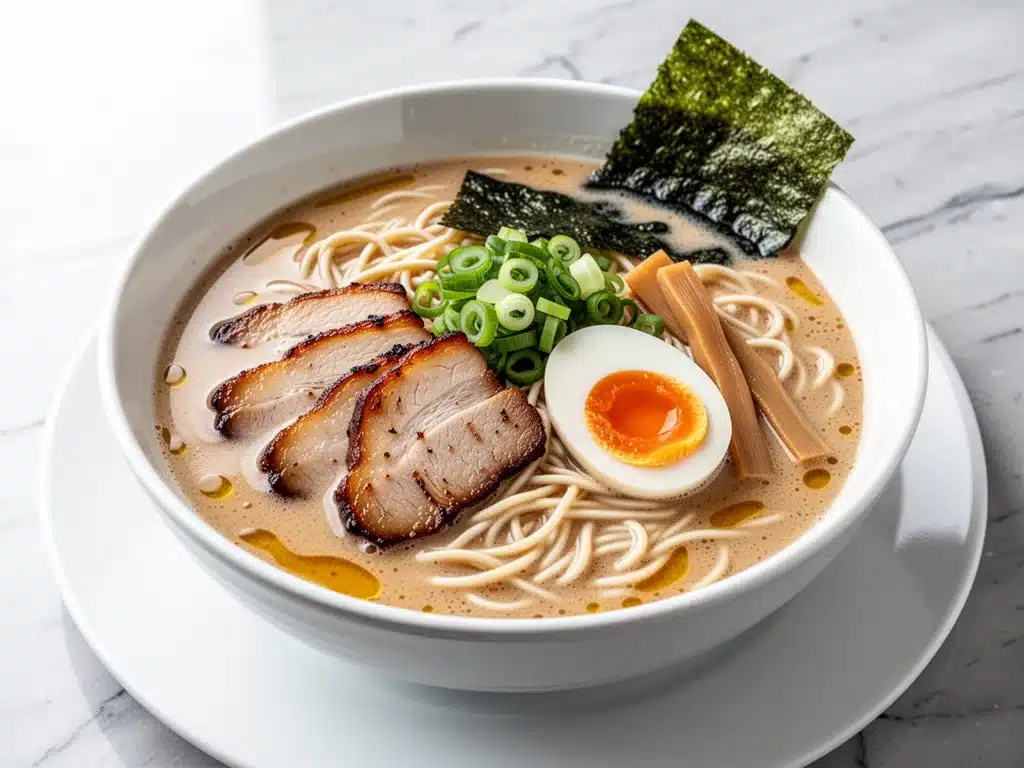
It was 11:45 PM on a Tuesday, and I was standing in my kitchen wearing pajamas that had seen better days, staring at my phone with the takeout menu open. My stomach was growling, but more importantly, my soul was craving something warm, deep, and complicated. You know that feeling? It’s not just hunger. It’s a specific type of loneliness that only a bowl of hot broth can fix. I was about to order from the same place I’d ordered from three times that week, but then I remembered a bowl of ramen I’d had in a tiny, smoke-filled shop in Chicago years ago. The broth had been so rich it felt like a hug. The noodles were chewy. And the egg? Perfectly jammy.
I closed the app. I decided to try something I’d been intimidated by for years: homemade spicy miso ramen. I figured, what’s the worst that could happen? I’d end up with salty, watery soup. But honestly, I was wrong. I wasn’t just making soup. I was making a moment. And let me tell you, when that first bowl hit the table, steaming and fragrant with chili oil and sesame, my husband looked up from his phone and actually stopped scrolling. That’s how you know it’s good.
This isn’t the quick 10-minute hack version you see on TikTok. This is the real deal. The kind of Spicy Miso Ramen that rivals anything you’ll get at a restaurant, but with better ingredients and zero plastic containers to throw away. It’s deeply savory, slightly spicy, and incredibly comforting. I’ve made this recipe at least a dozen times now, tweaking the ratio of miso to chili until it hit that sweet spot where it wakes up your palate but doesn’t burn your throat. If you’ve ever felt like restaurant ramen is just “okay” but not amazing, this recipe will change your mind. It’s my new go-to for those nights when I want to feel fancy but don’t want to spend hours in the kitchen. Trust me, once you try this, you’ll never go back to the instant packets.
Why You’ll Love This Recipe
There are about ten reasons I keep coming back to this spicy miso ramen, but if I had to narrow it down to the ones that matter most for your weeknight sanity, here they are.
It’s Actually Faster Than Takeout — I know, I know. You’re thinking, “How can making broth from scratch be faster than ordering?” But here’s the thing: the “broth” is mostly just a flavorful base you mix together while the noodles cook. The actual active cooking time is about 20 minutes. I make this on nights when I’m exhausted, and it feels like a treat, not a chore. By the time the delivery driver calls, my bowl is already on the table.
The Jammy Egg Changes Everything — This isn’t just garnish. The soft-boiled egg is the heart of the bowl. When you crack it open, that golden yolk runs into the broth and turns it into a creamy, rich sauce. It’s the kind of detail that makes you feel like a pro chef. I’ve learned the exact timing to get that perfect set white and liquid gold center, and it’s easier than you think.
Customizable Heat Level — Some people love fire; some people prefer a gentle warmth. This recipe lets you control the spice. I use a homemade chili oil that’s fragrant more than punishing, but if you want to turn up the heat, you can add extra chili crisp or fresh chilies. It’s your bowl, your rules.
Uses Simple Ingredients — You don’t need a trip to a specialty Asian market for most of this. You probably have miso paste, sesame oil, and garlic in your fridge right now. The rest is basic pantry staples. It’s like making a creamy pumpkin alfredo but savory and umami-packed. If you can make pasta, you can make this ramen.
Leftovers Are a Dream (Sort Of) — While ramen is best fresh, the broth actually tastes better the next day as the flavors meld. I often make a double batch of the broth base and freeze it in jars. When I need a quick dinner, I just thaw a jar, boil some eggs, and grab some noodles. It’s like having a gourmet meal ready to go.
Ingredients You’ll Need
Here’s the best part: you probably have half of this already. The beauty of miso ramen is that it relies on a few key flavors that work together to create something greater than the sum of its parts. I’m particular about a few things here, so pay close attention.
For the Broth Base
Chicken or Vegetable Stock (8 cups / 2 liters) — I use low-sodium chicken stock as my base because it gives that rich, savory depth without making the dish too salty. If you’re vegetarian, a good quality vegetable stock works, but I’d recommend adding a tablespoon of soy sauce to boost the umami. I love using the stock from my slow cooker chicken, but store-bought is fine too.
White Miso Paste (4-5 tablespoons) — This is the soul of the recipe. White miso is saltier and milder than red miso, making it perfect for a clean, savory broth. I use the white kind, but you can mix in a tablespoon of red miso if you want a deeper, funkier flavor. Don’t buy the pre-mixed soup packets; get the real stuff in the refrigerated section if you can find it.
Sesame Oil (2 tablespoons) — Toasted sesame oil is non-negotiable. It adds that nutty aroma that screams “ramen.” Use the real deal, not the neutral kind. I keep a bottle specifically for Asian cooking.
Garlic (4 cloves, minced) — Yes, four cloves. Garlic is a major flavor player here. Fresh only. No jarred garlic. I know it’s more work, but the difference is night and day.
Fresh Ginger (1 tablespoon, grated) — Grate it yourself. Pre-grated ginger tastes metallic and dull. Fresh ginger adds a bright, zesty kick that cuts through the richness of the broth.
For the Chili Oil
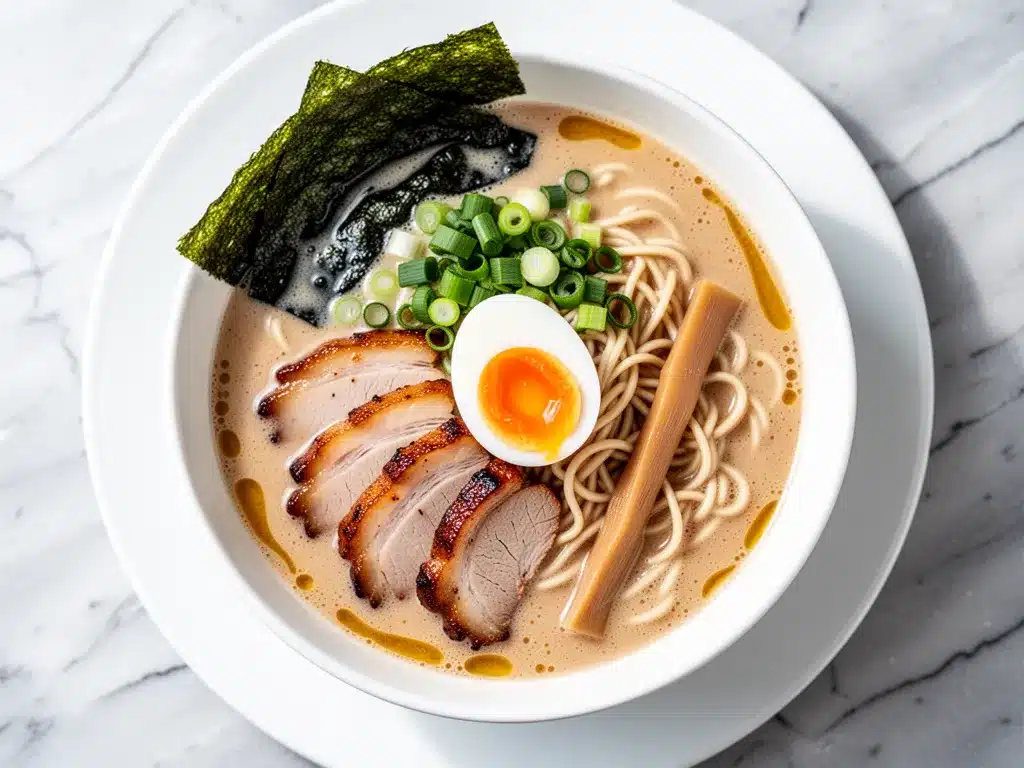
Red Pepper Flakes (2 tablespoons) — I use a mix of regular red pepper flakes and a bit of crushed dried chilies for extra heat. If you’re sensitive to spice, reduce this to 1 tablespoon. If you love heat, go wild.
Soy Sauce (2 tablespoons) — Adds saltiness and depth. I use low-sodium soy sauce to control the salt level.
Rice Vinegar (1 tablespoon) — Just a splash. It adds a subtle acidity that brightens up the heavy broth. It’s the secret ingredient that keeps the soup from tasting flat.
For the Ramen Assembly
Ramen Noodles (2 packs) — I recommend fresh ramen noodles if you can find them in the refrigerated section of your grocery store. They have the right chew and texture. If you can’t find fresh, dried instant ramen noodles work, but toss the flavor packets. I’ve had success with Marutoku brand fresh noodles.
Green Onions (2-3 stalks, thinly sliced) — For garnish. Use both the white and green parts. They add a fresh, oniony bite.
Nori Sheets (2 sheets, cut into strips) — Seaweed adds texture and that classic ramen vibe. You can find these in the sushi aisle.
Soft-Boiled Eggs (2 large eggs) — The star of the show. See below for how to get them perfect.
Optional Add-ins — I often add sliced mushrooms, corn kernels, or leftover rotisserie chicken. It’s like a chicken and dumplings vibe but lighter and broth-based. Feel free to get creative.
Equipment Needed
You don’t need fancy equipment for this. Here’s what I actually use.
Medium Saucepan — I use a 3-quart saucepan for the broth. It needs to be big enough to hold the stock and miso without boiling over.
Large Pot — For boiling the noodles. A 6-quart pot works well. I use the same pot I use for pasta.
Small Bowl — For mixing the miso paste with some hot broth before adding it to the main pot. This prevents lumps.
Ice Bath Bowl — Essential for the soft-boiled eggs. A medium bowl filled with ice and cold water.
Spatula — For stirring the broth. Silicone works best.
Noodle Strainer or Slotted Spoon — To remove the noodles from the boiling water.
Timer — Crucial for the eggs. I use my phone timer because I’ve boiled eggs for 7 minutes and ended up with hard-boiled eggs more times than I’d like to admit.
How to Make It: Step-by-Step
Alright, let’s make this! I’m walking you through exactly how I do it, including the little tricks I’ve picked up. This process is intuitive, but timing is everything.
Step 1: Make the Chili Oil (5 minutes)
While the broth is heating up, let’s make the chili oil. It’s quick and smells amazing. In a small heatproof bowl, combine 2 tablespoons of red pepper flakes, 1 tablespoon of sesame seeds, and a pinch of salt. Heat 2 tablespoons of neutral oil (like canola or vegetable) in a small saucepan until it’s shimmering but not smoking. Carefully pour the hot oil over the pepper flakes. It will sizzle and release its aroma. Stir well and set aside. This chili oil is the heart of the “spicy” part of the ramen. You can make extra and keep it in the fridge for weeks. It’s great on everything, from garlic parmesan breadsticks to roasted vegetables.
Step 2: Prepare the Broth Base (10 minutes)
In your medium saucepan, combine the chicken stock, minced garlic, grated ginger, and sesame oil. Bring it to a gentle simmer over medium heat. Let it cook for about 5 minutes to let the garlic and ginger infuse the broth. You’ll smell it getting fragrant. Once it’s simmering, reduce the heat to low. In a small bowl, whisk 4-5 tablespoons of white miso paste with a ladle of the hot broth until it’s smooth and lump-free. Pour this mixture back into the saucepan and stir well. Do not boil the broth after adding the miso, as high heat can destroy the beneficial probiotics and make the miso taste bitter. Just keep it warm.
Step 3: Cook the Soft-Boiled Eggs (15 minutes)
This is the most important step. Bring a small pot of water to a boil. Gently lower the eggs into the water using a spoon. Set your timer for exactly 6 minutes and 30 seconds. This timing gives you a set white and a jammy, custard-like yolk. While the eggs cook, prepare your ice bath. Once the timer goes off, immediately transfer the eggs to the ice bath and let them cool for at least 5 minutes. This stops the cooking process and makes them easier to peel. Once cool, gently tap the eggs on the counter to crack the shell, then peel them under running water. Set aside.
Step 4: Cook the Noodles (3-5 minutes)
Bring your large pot of water to a rolling boil. Add the ramen noodles. Fresh noodles cook very quickly, usually in 2-3 minutes. Dried noodles take longer, around 3-5 minutes. Cook them until they are al dente (firm to the bite). Drain the noodles, but don’t rinse them! You want that starch on the noodles to help the broth cling.
Step 5: Assemble the Bowls
Divide the hot broth between two large bowls. Stir in the soy sauce and rice vinegar. Place a portion of cooked noodles in each bowl. Top with the sliced green onions and nori strips. Drizzle generously with the chili oil you made earlier. Slice the soft-boiled eggs in half and place them on top, yolk side up. Serve immediately.
Expert Tips & Tricks
Here’s everything I’ve learned from making this dozens of times. These tips will save you from my mistakes.
Don’t Boil the Miso
I learned this the hard way. If you boil miso paste, it loses its delicate flavor and becomes bitter. Always add it off the heat or at the very end of cooking. Just warm it through.
The Egg Timing is Sacred
6 minutes 30 seconds is the gold standard for jammy eggs. 6 minutes is runnier, 7 minutes is firmer. If you like a harder yolk, go for 7, but I think the jammy texture is what makes ramen special. Don’t skip the ice bath!
Use Fresh Noodles
If you can find fresh ramen noodles in the refrigerated section, use them. They have a springy, chewy texture that dried noodles just can’t match. If you use dried, rinse them briefly in cold water after cooking to stop the cooking, but don’t wash away all the starch.
Adjust the Salt
Miso is salty. Soy sauce is salty. Taste your broth before adding extra salt. You might not need any. Always season to taste at the end.
Make Extra Chili Oil
This chili oil is addictive. I make a big batch and keep it in the fridge. Use it on pizza, salads, or even pretzel bites for a spicy kick.
Variations & Substitutions
Once you’ve nailed the basic version, here’s how you can mix it up. I’ve tried all of these.
Vegan Version
Swap chicken stock for vegetable stock or mushroom broth. Use vegan miso (most white miso is vegan, but check the label). Skip the egg or use a tofu “egg” (marinated silken tofu). It’s still incredibly flavorful.
Pork Belly Ramen
Add slices of chashu pork (braised pork belly) on top. You can buy it pre-cooked or make it yourself. It adds a rich, fatty element that pairs perfectly with the spicy broth.
Shrimp Ramen
Add cooked shrimp to the bowl. Sauté them quickly in garlic butter before adding to the bowl. It adds a sweet, briny flavor that complements the miso.
Vegetable Loaded
Add sautéed mushrooms, corn kernels, or blanched bok choy. It’s like a roasted red pepper soup but with noodles. Great for using up leftover veggies.
Spicy Level Up
Add a spoonful of chili crisp or sriracha to the broth. Or add sliced fresh jalapeños. If you love heat, this is your chance to go big.
Serving & Storage
How to Serve:
I usually serve this straight from the stove at the dinner table. It’s communal and cozy. Pair it with a simple side salad or some brown butter sage gnocchi if you want a heavier meal. A cold beer or a crisp white wine works well too.
Storage:
The broth can be stored in an airtight container in the fridge for up to 3 days. The noodles do not store well—they get soggy and lose their texture. Always cook noodles fresh. The eggs can be stored in the fridge for up to 3 days, but they’re best eaten fresh.
Reheating:
Gently reheat the broth in a saucepan over low heat. Do not boil. Add the fresh noodles and eggs when serving. If the broth is too thick after storing, add a splash of water or stock to thin it out.
Nutrition Information
I’m not a nutritionist, but here’s the breakdown if you’re tracking. This is comfort food, so it’s not a diet recipe, but it’s balanced with protein from the egg and broth.
Per Serving (based on 2 servings):
- Calories: 450
- Protein: 18g
- Carbs: 45g
- Fiber: 2g
- Sugar: 2g
- Fat: 22g
- Saturated Fat: 4g
- Cholesterol: 180mg
- Sodium: 900mg (varies based on miso and soy sauce)
What’s Good: High in protein from the egg and broth. The miso provides probiotics. You can add vegetables to boost nutrition.
What to Know: Higher in sodium due to miso and soy sauce. Use low-sodium versions if you’re watching salt. Contains gluten and dairy (if using butter in add-ins).
Final Thoughts
So that’s my go-to spicy miso ramen! I’ve probably talked your ear off at this point, but when you make a recipe this often, you have a lot to say about it. This has saved weeknight dinners more times than I can count. It’s my answer to “what’s for dinner” when I’m tired, don’t want takeout, and still want something that tastes really good. My kids are happy, my husband’s happy, and I’m happy because I’m not stressed about cooking.
Make it yours! Try different add-ins, swap in your favorite vegetables, adjust the garlic (though more is always better in my opinion). The best recipes are the ones you adapt to your family’s tastes. If you make this, drop a comment and let me know what you think! I love hearing how recipes turn out in your kitchen. And if something doesn’t work, tell me that too—I’m here to help troubleshoot.
Happy cooking! And I hope your kitchen smells half as good as mine does right now.
Frequently Asked Questions
Can I use red miso instead of white miso?
You can, but red miso is saltier and has a stronger, funkier flavor. If you use red miso, start with 2-3 tablespoons and taste as you go. White miso is milder and sweeter, which is why it’s my preference for this recipe. You can also mix white and red miso for a balanced flavor.
Why did my eggs turn out hard-boiled?
You probably overcooked them! The key is the 6-minute 30-second timer and the ice bath. If you leave them in the hot water too long, the yolk will set completely. Make sure to transfer them immediately to the ice bath to stop the cooking. If you like a firmer yolk, try 7 minutes, but 6.5 is my sweet spot.
Can I make this ahead for a dinner party?
Sort of. Make the broth base up to 2 days ahead and store in the fridge. Cook the noodles fresh right before serving (takes 3 minutes). Boil the eggs fresh, or store them peeled in the fridge for up to 3 days. Reheat the broth gently and assemble bowls right before serving. It won’t be quite as good as fresh, but it’s close and saves you stress during the party.
Why is my broth too salty?
Miso and soy sauce are both very salty. If your broth is too salty, you can dilute it by adding more unsalted chicken stock or water. You can also add a splash of rice vinegar to balance the saltiness with acidity. Next time, use less miso and soy sauce, and always taste before adding extra salt.
Can I use dried ramen noodles?
Yes, dried ramen noodles work, but they won’t have the same chewy texture as fresh noodles. If you use dried, cook them according to package directions. Fresh noodles cook much faster, usually in 2-3 minutes. If you can find fresh ramen noodles in the refrigerated section of your grocery store, I highly recommend using them.
How spicy is this ramen?
The spice level is adjustable. The base recipe with 2 tablespoons of red pepper flakes is moderately spicy. If you’re sensitive to heat, reduce the pepper flakes to 1 tablespoon or omit them entirely. If you love heat, add more pepper flakes or a spoonful of chili crisp. The chili oil adds a fragrant heat, not just burn.
Can I freeze this ramen?
The broth can be frozen for up to 3 months. Let it cool completely, then store in an airtight container or freezer-safe bag. Thaw it in the fridge overnight and reheat gently. Do not freeze the noodles or eggs, as they will become mushy and rubbery. Always cook noodles fresh when serving.
Pin This Recipe!
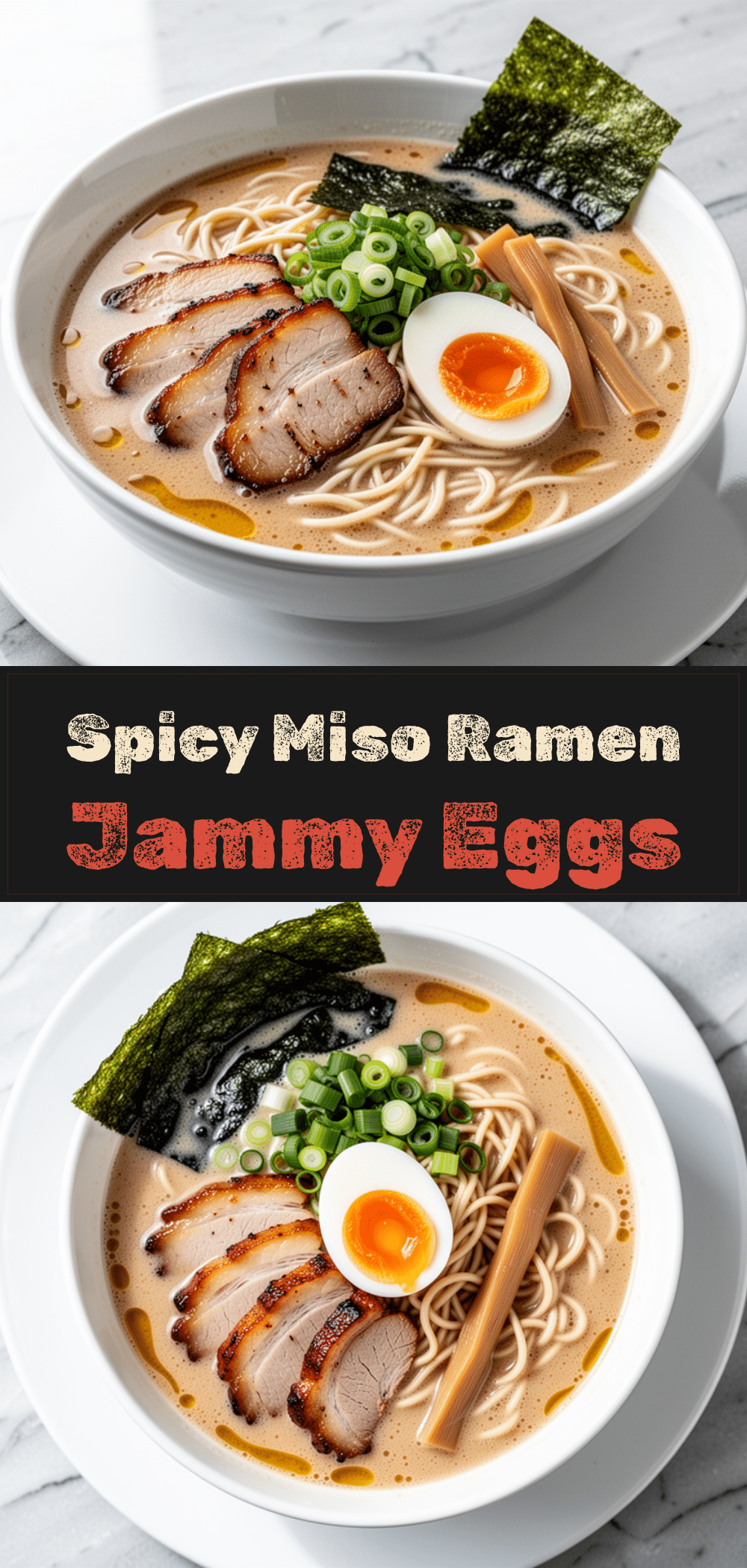
Spicy Miso Ramen: Best Homemade Recipe
- Total Time: 35 minutes
- Yield: 2 servings 1x
Description
A deeply savory, slightly spicy, and incredibly comforting homemade spicy miso ramen that rivals restaurant quality. This recipe features a rich miso broth, perfectly jammy soft-boiled eggs, and customizable heat levels.
Ingredients
- 8 cups (2 liters) low-sodium chicken or vegetable stock
- 4–5 tablespoons white miso paste
- 2 tablespoons toasted sesame oil
- 4 cloves garlic, minced
- 1 tablespoon fresh ginger, grated
- 2 tablespoons red pepper flakes
- 1 tablespoon sesame seeds
- Pinch of salt
- 2 tablespoons neutral oil (canola or vegetable)
- 2 tablespoons low-sodium soy sauce
- 1 tablespoon rice vinegar
- 2 packs fresh ramen noodles
- 2–3 stalks green onions, thinly sliced
- 2 sheets nori, cut into strips
- 2 large eggs
Instructions
- Make the chili oil: Combine red pepper flakes, sesame seeds, and salt in a heatproof bowl. Heat neutral oil until shimmering and pour over the mixture. Stir and set aside.
- Prepare the broth base: In a medium saucepan, combine stock, garlic, ginger, and sesame oil. Simmer for 5 minutes to infuse flavors.
- Whisk miso paste with a ladle of hot broth in a small bowl until smooth. Stir the miso mixture back into the saucepan. Keep warm but do not boil.
- Cook the eggs: Bring a pot of water to a boil. Gently lower eggs in and cook for exactly 6 minutes and 30 seconds. Immediately transfer to an ice bath for 5 minutes, then peel.
- Cook the noodles: Bring a large pot of water to a rolling boil. Cook fresh noodles for 2-3 minutes or dried noodles for 3-5 minutes until al dente. Drain without rinsing.
- Assemble: Divide hot broth between two large bowls. Stir in soy sauce and rice vinegar. Add noodles, top with green onions, nori, and sliced jammy eggs. Drizzle with chili oil and serve immediately.
Notes
Do not boil the broth after adding miso to preserve probiotics and prevent bitterness. The egg timing is crucial for a jammy yolk; use an ice bath to stop cooking. Fresh noodles are recommended for best texture. Broth can be made ahead and frozen; noodles should always be cooked fresh.
- Prep Time: 15 minutes
- Cook Time: 20 minutes
- Category: Main Course
- Cuisine: Japanese
Nutrition
- Serving Size: 1 bowl
- Calories: 450
- Sugar: 2
- Sodium: 900
- Fat: 22
- Saturated Fat: 4
- Carbohydrates: 45
- Fiber: 2
- Protein: 18
Keywords: spicy miso ramen, homemade ramen, jammy eggs, miso broth, spicy noodle soup, weeknight dinner, Asian cuisine