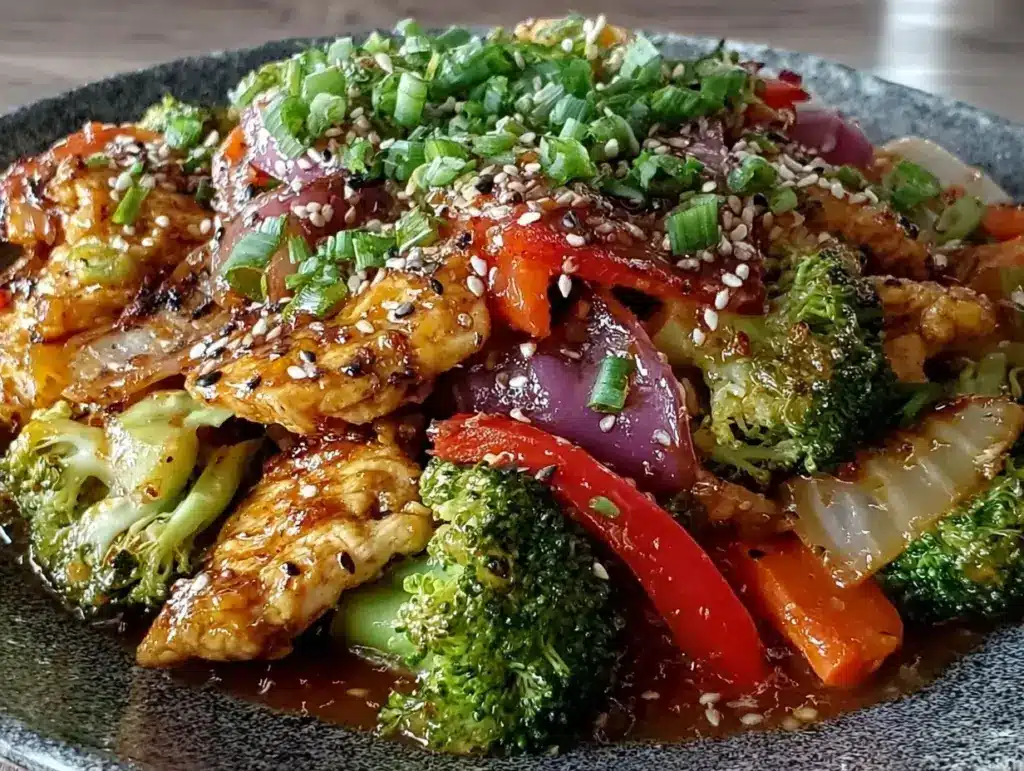
My first attempt at stir fry was a sad, watery mess. I remember standing over the stove, watching my expensive chicken breast turn into rubbery gray discs while the broccoli sat raw in the corner of the pan. It tasted like boiled salt. I was convinced that “stir fry” was one of those restaurant tricks I’d never be able to replicate at home. It felt like it required a wok, a sous-chef, and a degree in culinary arts.
Then I stopped trying to be fancy. I stopped worrying about perfectly uniform cuts and started focusing on heat. I realized that the secret wasn’t complicated techniques; it was just heat management and a simple sauce. I made this healthy chicken and vegetable stir fry last Tuesday because I had chicken in the freezer and a bag of bell peppers that needed to be used. I threw it together in 20 minutes. My partner took one bite and asked if I ordered takeout. I didn’t tell him it was the easiest thing I’ve made all week.
This recipe is my answer to “what’s for dinner?” when I don’t want to think. It’s healthy, it’s forgiving, and it tastes incredible. If you’re a beginner who’s intimidated by Asian cooking, or if you just want a weeknight meal that actually nourishes you without the greasy takeout hangover, this is your recipe. I’ve tested this method dozens of times, and it really is the most foolproof dinner you’ll make.
Why You’ll Love This Healthy Chicken and Vegetable Stir Fry
There are a few reasons this healthy chicken and vegetable stir fry has taken up permanent residence in my rotation. It’s not just because it’s fast, though it is. It’s because it removes the guesswork from cooking healthy food.
- One-Pot Cleanup — Seriously, just one pan. I know, I know, you’re skeptical. But if you cook the chicken and veggies in the same skillet (in stages), you only have one vessel to scrub. I’ve lost count of how many nights I’ve done this after a long day. It’s a game-changer.
- Minimal Ingredients — You don’t need a trip to a specialty Asian market. I use soy sauce, garlic, ginger, and a touch of sweetener. If you can find those, you can make this. No obscure pastes or hard-to-find oils.
- Customizable Veggies — This is the “clean out the fridge” meal. Had some zucchini? Throw it in. Broccoli rabe? Yes. Frozen mixed veggies? Absolutely. The sauce binds it all together, so the specific veggies don’t matter as much as the act of eating them.
- Actually Healthy — It’s packed with protein and fiber, but it doesn’t taste like diet food. The sauce has just enough sweetness and salt to make you crave it, without being loaded with sugar or sodium. It feels like a treat, but it fuels you.
- Beginner-Proof — You can’t mess this up. If the chicken is slightly overcooked, it’s still good. If the veggies are a bit crunchy, that’s actually preferred. This recipe builds your confidence in the kitchen.
This is the kind of meal that makes you feel like a competent cook without breaking a sweat. It’s my go-to when I want to eat well but don’t want to spend an hour in the kitchen.
Ingredients You’ll Need
Here’s the best part: you probably have most of this already. This healthy chicken and vegetable stir fry relies on simple, accessible ingredients. I’m particular about a couple of things, but mostly, this is pantry-friendly.
For the Chicken
Chicken breast or thighs (1.5 pounds / 680g) — I use boneless, skinless chicken breast for that lean, healthy vibe, but thighs are juicier. If you prefer darker meat, go for it. Just cut them into bite-sized pieces. Uniform size helps them cook evenly.
Arrowroot powder or cornstarch (1 tablespoon) — This is the secret weapon. It coats the chicken and creates a light crust when it hits the pan. It also helps thicken the sauce later. I prefer arrowroot for a clearer finish, but cornstarch works perfectly fine.
For the Veggies
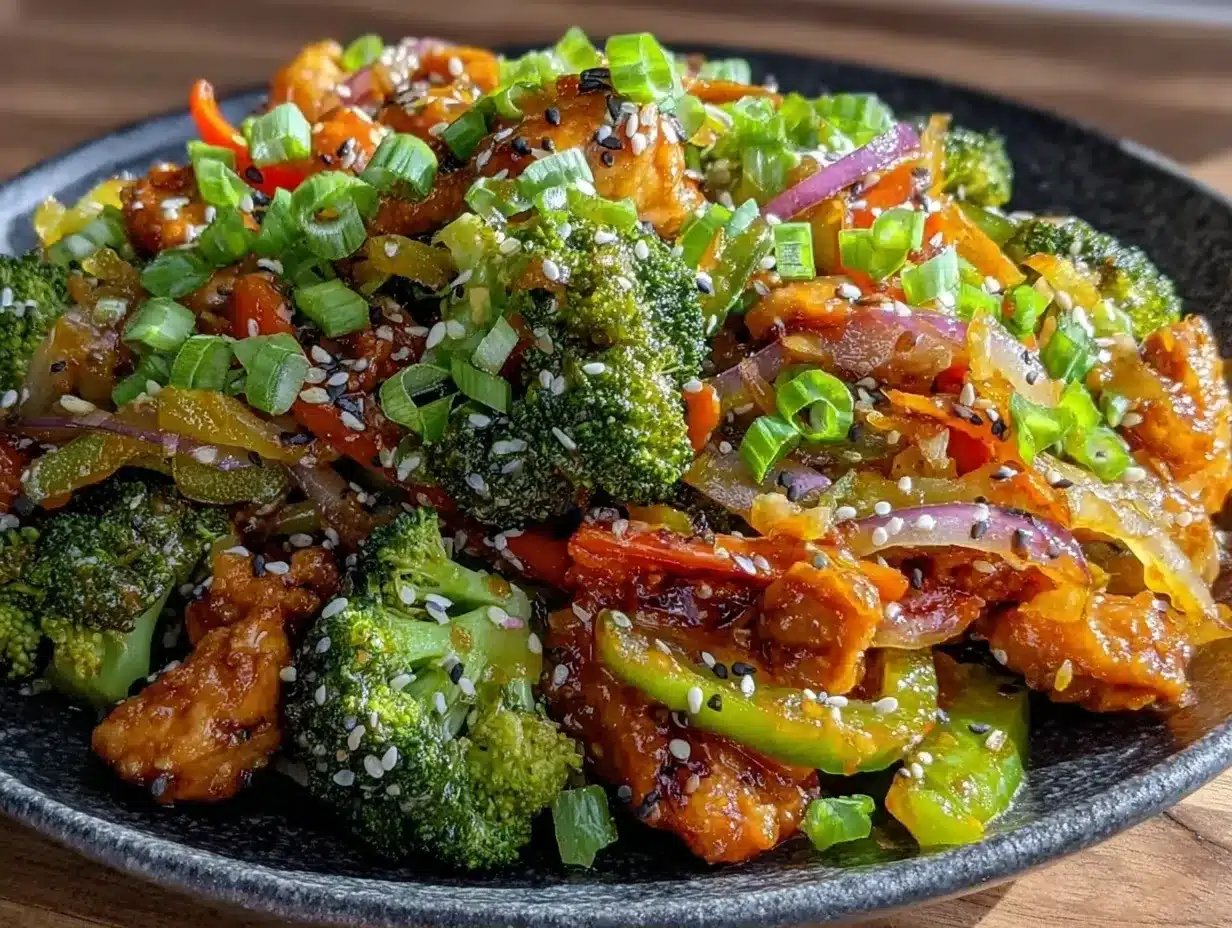
Broccoli florets (2 cups) — Fresh is best, but frozen works too. If using frozen, don’t thaw them completely; just toss them in wet. The water helps steam them.
Bell peppers (2 medium, any color) — Red and yellow peppers add sweetness. Green peppers add a bit of bitterness. I usually use a mix. Slice them into strips.
Carrots (2 medium, julienned or sliced thin) — They add crunch and color. If you hate carrots, swap them for snap peas or snow peas.
Green onions (4-5 stalks, sliced) — This is for garnish and a little fresh onion bite. Save the white parts for cooking and the green parts for topping.
For the Sauce
Soy sauce (1/4 cup / 60ml) — Use regular soy sauce, not low-sodium, because you need that salt flavor. Tamari if you’re gluten-free.
Rice vinegar (2 tablespoons) — This adds the necessary acidity to balance the sweet and salty. White wine vinegar works in a pinch.
Honey or maple syrup (2 tablespoons) — Just enough sweetness to round out the flavors. I use honey because it’s what I always have.
Garlic (4 cloves, minced) — Don’t skimp. Garlic is the backbone of stir fry. Fresh only.
Fresh ginger (1 tablespoon, grated) — This gives it that authentic “stir fry” aroma. If you don’t have fresh, use 1 teaspoon of ground ginger, but fresh is much better.
Sesame oil (1 teaspoon) — Just a teaspoon at the end. It’s potent. Don’t use it for cooking; use it for flavor.
For Cooking
Neutral oil (2 tablespoons) — Avocado oil or vegetable oil. Something with a high smoke point.
Chicken broth (1/4 cup) — Adds depth to the sauce.
Equipment Needed
You don’t need fancy gear. Here’s what I actually use.
Large skillet or wok — I use a 12-inch non-stick skillet. It’s easier to control heat than a wok if you’re a beginner. You need space to sear the chicken, not steam it. A wok works great too, but a large skillet is foolproof.
Sharp knife — For slicing chicken and veggies. A dull knife is dangerous and makes uneven cuts.
Wooden spoon or silicone spatula — For stirring. You’ll be moving things around a lot.
Small bowl — For mixing the sauce. Having it ready before you start cooking is crucial.
Measuring cups and spoons — Standard stuff.
How to Make It: Step-by-Step
Alright, let’s make this! I’m walking you through exactly how I do it. The key is prep first, cook second. Do not skip the prep.
Step 1: Prep the Chicken (5 minutes)
Cut your chicken into bite-sized pieces, about 1-inch cubes. Place them in a bowl. Sprinkle the arrowroot powder (or cornstarch) over the chicken and toss until every piece is lightly coated. This coating helps the sauce stick later. Set aside.
Step 2: Make the Sauce (2 minutes)
In a small bowl, whisk together the soy sauce, rice vinegar, honey, minced garlic, grated ginger, and chicken broth. Whisk until the honey is dissolved. Set aside. It should look like a thin, fragrant liquid.
Step 3: Cook the Chicken (5-7 minutes)
Heat 1 tablespoon of neutral oil in your large skillet over medium-high heat. The pan should be hot before you add the chicken. Add the chicken in a single layer. Don’t crowd the pan! If your pan is small, cook in two batches. Let the chicken sear for 2-3 minutes without moving it too much. You want some browning. Then flip and cook for another 2-3 minutes until cooked through. Remove chicken from the pan and set aside on a plate. Do not clean the pan.
Step 4: Sauté the Veggies (5 minutes)
Add the remaining 1 tablespoon of oil to the same pan. Add the carrots first because they take the longest. Stir-fry for 1 minute. Then add the broccoli and bell peppers. Cook for 3-4 minutes, stirring frequently. The veggies should be tender-crisp. They should still have some bite, not be mushy.
Step 5: Combine and Sauce (2 minutes)
Return the cooked chicken to the pan with the veggies. Give the sauce a quick stir (the starch settles) and pour it over the chicken and vegetables. Toss everything together. The sauce will bubble and thicken rapidly. Cook for 1-2 minutes until the sauce is glossy and coats everything.
Step 6: Finish and Serve
Remove from heat. Drizzle with the sesame oil and toss. Top with sliced green onions. Serve immediately over rice, quinoa, or cauliflower rice.
Total time: About 20 minutes. Active time: 15 minutes.
Expert Tips & Tricks
Here’s everything I’ve learned from making this dozens of times. These tips will save you from my early mistakes.
Don’t Crowd the Pan
This is the #1 mistake beginners make. If you put too much chicken in at once, the temperature drops, and the chicken steams instead of searing. You’ll get gray, rubbery chicken. Cook in batches if you have to. It’s worth it.
Prep Everything Before You Turn on the Heat
Stir fry moves fast. Once the oil is hot, you have about 5 minutes before things burn. Have your veggies chopped, sauce mixed, and chicken ready. This is called “mise en place,” but I just call it “not burning dinner.”
Use High Heat
You want that sizzle. Medium-high is your friend. If the pan isn’t hot enough, the veggies will release water and get soggy. You want a quick char.
Thicken the Sauce Properly
The arrowroot/cornstarch in the chicken helps, but the sauce needs time to thicken. Don’t rush the last step. Let it bubble for a full minute until it coats the back of a spoon.
Customize Your Heat
Want some spice? Add a teaspoon of chili garlic sauce or red pepper flakes to the sauce. It’s totally optional but adds a nice kick.
Variations & Substitutions
Once you’ve nailed the basic version, here’s how you can mix it up. I’ve tried all of these.
Shrimp Stir Fry
Swap chicken for 1 pound of peeled, deveined shrimp. Shrimp cooks much faster—just 2-3 minutes total. Add them in at the end of the veggie step.
Tofu Stir Fry
Use extra-firm tofu, pressed and cubed. Coat in cornstarch and fry until crispy before adding veggies. This is my favorite vegetarian version.
Different Veggies
Use snap peas, bok choy, mushrooms, or zucchini. Just add harder veggies first (carrots, broccoli) and softer veggies later (zucchini, spinach).
Gluten-Free
Use tamari instead of soy sauce, and ensure your rice vinegar is gluten-free (most are). Serve over rice or rice noodles.
Lower Sodium
Use low-sodium soy sauce and reduce the amount by half, adding a pinch of salt if needed. Or use coconut aminos for a sweeter, milder option.
Serving & Storage
How to Serve:
I serve this straight from the skillet. It looks rustic and stays warm. Pair it with steamed white rice, brown rice, or cauliflower rice for a low-carb option. A simple side salad with sesame dressing works well too.
Storage:
Store leftovers in an airtight container in the fridge for up to 4 days. The veggies will soften slightly, but it’s still delicious.
Reheating:
Microwave in 30-second intervals, stirring in between. If it looks dry, add a splash of water or broth. It helps revive the sauce. You can also reheat it in a skillet over low heat.
Freezing:
This doesn’t freeze well. The veggies get mushy when thawed. Make it fresh or store in the fridge.
Nutrition Information
I’m not a nutritionist, but here’s the breakdown if you’re tracking. This is per serving (based on 4 servings).
- Calories: 320
- Protein: 35g
- Carbs: 20g
- Fiber: 4g
- Sugar: 10g
- Fat: 12g
It’s high in protein, moderate in carbs, and packed with veggies. It’s a balanced meal that keeps you full without making you feel sluggish. If you use tofu instead of chicken, the protein is slightly lower but still good. If you use shrimp, it’s even leaner.
Final Thoughts
So that’s my healthy chicken and vegetable stir fry! It’s simple, it’s fast, and it’s genuinely delicious. I’ve made this more times than I can count, and it never gets old. It’s the kind of recipe that reminds you why cooking can be fun and easy.
If you’re a beginner, this is your confidence builder. You really can’t mess it up. If you have leftovers, they’re great for lunch the next day. Try it once, and I bet it becomes a staple in your kitchen too.
If you make this, drop a comment and let me know what veggies you used! I love hearing how recipes turn out in your kitchen. And if something doesn’t work, tell me that too—I’m here to help.
Frequently Asked Questions
Can I use frozen vegetables?
Yes! In fact, I often do. Just don’t thaw them first. Add them frozen to the hot pan. The ice crystals will help steam them, and they’ll cook through quickly. You might need to cook them for an extra minute or two.
Why is my stir fry watery?
This usually happens if the pan was too crowded or the heat was too low. The veggies released water instead of searing. Make sure your pan is hot, and don’t crowd it. Also, make sure you let the sauce bubble and thicken at the end.
Can I make this ahead of time?
You can prep the chicken and veggies ahead of time and store them in the fridge. When you’re ready to cook, just heat the pan and follow the steps. The sauce can also be mixed ahead. This saves time during the actual cooking.
What kind of rice goes best with this?
Steamed white jasmine rice is classic. Brown rice is healthier but takes longer to cook. Cauliflower rice is great for low-carb. Any rice works, but jasmine has a nice fragrance that pairs well with the ginger and garlic.
Can I use ground chicken?
You can, but it’s a different texture. Ground chicken cooks faster and doesn’t have the same chew as cubes. If you use ground chicken, brown it first, remove it, then cook the veggies, and add it back at the end. It’s still delicious.
Is this recipe spicy?
Not by default. It’s savory and slightly sweet. If you want heat, add red pepper flakes, chili garlic sauce, or a diced jalapeño to the pan. Start with a little and add more to taste.
If you’re looking for other easy weeknight meals, you might also enjoy my grilled chicken breast for a simpler protein option, or my vegan chocolate avocado mousse for a healthy dessert that’s just as simple.
Pin This Recipe!
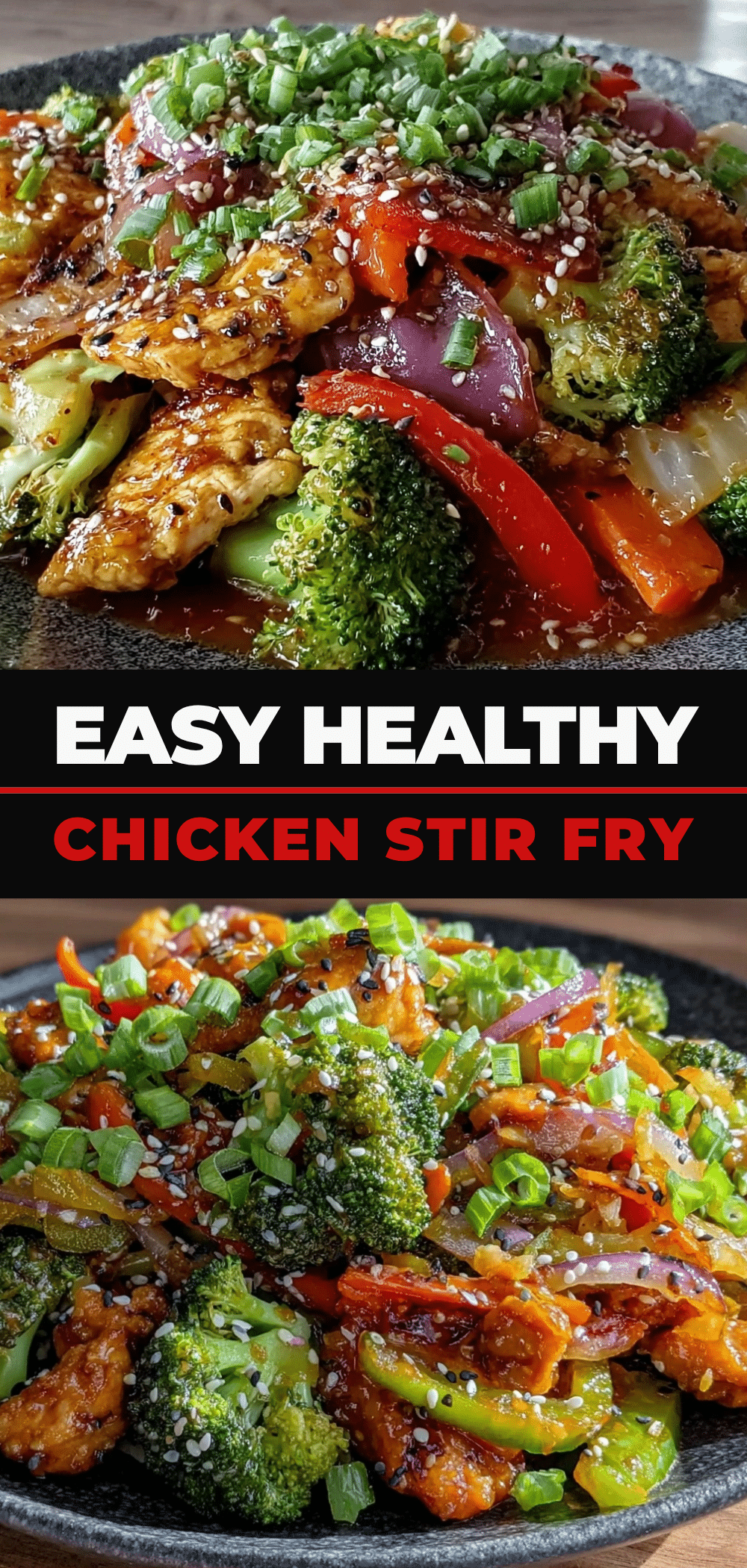
Healthy Chicken and Vegetable Stir Fry: The Foolproof One-Pot Meal
- Total Time: 20 minutes
- Yield: 4 servings 1x
Description
A quick, beginner-proof one-pot stir fry that uses simple ingredients and high heat to create a flavorful, healthy meal in just 20 minutes.
Ingredients
- 1.5 pounds boneless, skinless chicken breast or thighs, cut into bite-sized pieces
- 1 tablespoon arrowroot powder or cornstarch
- 2 cups broccoli florets
- 2 medium bell peppers, sliced into strips
- 2 medium carrots, julienned or sliced thin
- 4–5 stalks green onions, sliced (white parts for cooking, green parts for garnish)
- 1/4 cup soy sauce (or tamari for gluten-free)
- 2 tablespoons rice vinegar
- 2 tablespoons honey or maple syrup
- 4 cloves garlic, minced
- 1 tablespoon fresh ginger, grated
- 1 teaspoon sesame oil
- 2 tablespoons neutral oil (avocado or vegetable)
- 1/4 cup chicken broth
Instructions
- Cut chicken into 1-inch cubes and toss with arrowroot powder or cornstarch until lightly coated. Set aside.
- In a small bowl, whisk together soy sauce, rice vinegar, honey, minced garlic, grated ginger, and chicken broth until honey is dissolved. Set aside.
- Heat 1 tablespoon of neutral oil in a large skillet over medium-high heat. Add chicken in a single layer (cook in batches if necessary) and sear for 2-3 minutes without moving, then flip and cook for another 2-3 minutes until cooked through. Remove chicken and set aside on a plate.
- Add the remaining 1 tablespoon of oil to the same pan. Add carrots and stir-fry for 1 minute. Add broccoli and bell peppers, cooking for 3-4 minutes until tender-crisp.
- Return the cooked chicken to the pan with the vegetables. Stir the sauce and pour it over the mixture. Toss everything together and cook for 1-2 minutes until the sauce bubbles and thickens.
- Remove from heat, drizzle with sesame oil, and toss. Top with sliced green onions and serve immediately over rice, quinoa, or cauliflower rice.
Notes
Do not crowd the pan to ensure proper searing. Prep all ingredients before turning on the heat. For a vegetarian version, substitute chicken with extra-firm tofu. This recipe does not freeze well as vegetables become mushy upon thawing.
- Prep Time: 15 minutes
- Cook Time: 5 minutes
- Category: Main Course
- Cuisine: Asian
Nutrition
- Serving Size: 1/4 of the recipe
- Calories: 320
- Sugar: 10
- Sodium: 800
- Fat: 12
- Saturated Fat: 2
- Carbohydrates: 20
- Fiber: 4
- Protein: 35
Keywords: healthy chicken stir fry, one pot meal, quick dinner, beginner cooking, gluten-free option, weeknight dinner