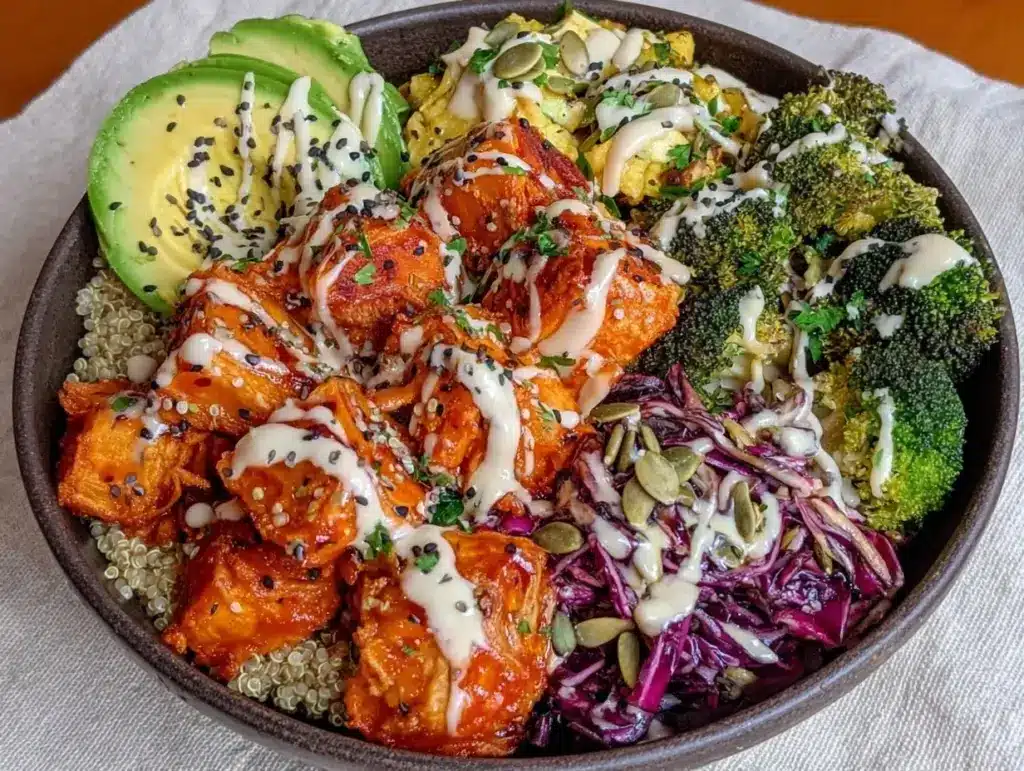
Three years ago, I was standing in my kitchen at 7:30 PM, staring into the open fridge like it held the secrets to the universe. It didn’t. It held half a jar of pickles, some wilting spinach, and a sad-looking cucumber. I wanted dinner that felt good—light, energized, not heavy—but I also didn’t have the energy to chop twenty different vegetables or wait for a sauce to simmer. I just wanted something that tasted like I cared, but required zero brain power.
That night, I threw together a bowl with whatever was left over from the week: roasted sweet potatoes, some canned chickpeas, a handful of kale, and a drizzle of tahini. I didn’t measure anything. I didn’t try to make it look like a Pinterest board. I just ate it standing over the sink.
It was good. Really good. But it was also a fluke. I needed a system. I needed a recipe that was so forgiving, so simple, and so hard to mess up that I could make it on autopilot. That’s when I developed this Healthy Vegetarian Buddha Bowl. It’s not about complex techniques or finding obscure ingredients at a specialty store. It’s about taking five basic items, tossing them together, and realizing that sometimes the best meals are the ones that don’t try too hard.
I’ve made this Healthy Vegetarian Buddha Bowl probably fifty times since then. Sometimes I use brown rice, sometimes quinoa. Sometimes I throw in avocado, sometimes I skip it. But the core structure remains the same: a base, a protein, a crunchy veg, a soft veg, and a sauce that ties it all together. It’s the ultimate “if you can only make one thing, make this” meal. It’s healthy, it’s filling, and it’s stupidly easy. Once you get the hang of building your bowl, you’ll never look back.
Why You’ll Love This Simple Vegetarian Buddha Bowl
There are a million bowl recipes out there, but this one sticks around in my rotation for a few specific reasons. It’s not just about health; it’s about how little stress it adds to your day.
- Minimalist Ingredients — Seriously, five ingredients. That’s it. You don’t need a pantry full of spices or weird sauces. If you can buy these items at any grocery store, you can make this. I’ve made it with pantry staples when I had no time to shop.
- Foolproof Assembly — There’s no “cooking” in the traditional sense. You’re just assembling. If you can open a can of chickpeas and rinse them, you can master this. I’ve walked my teenage niece through it while we watched a movie. She nailed it.
- Endlessly Customizable — This is my “clean out the fridge” meal. Have half an avocado? Add it. Have leftover roasted veggies? Toss them in. No two bowls are exactly the same, which keeps it interesting. It’s a vegan chocolate avocado mousse level of simplicity applied to dinner.
- Actually Filling — I used to think “light” meals meant I’d be hungry an hour later. This bowl has enough protein and fiber to keep you satisfied for hours. It’s not just salad with delusions of grandeur.
- Meal Prep Friendly — I make the components on Sunday and assemble during the week. The flavors actually get better after a day in the fridge. It’s my secret weapon for Tuesday nights when I’m tired.
This Healthy Vegetarian Buddha Bowl is my answer to “what’s for dinner?” when I want to feel good without putting in the effort. It’s reliable, delicious, and hard to ruin.
Ingredients You’ll Need for a Simple Vegetarian Buddha Bowl
Here’s the best part: you probably have most of this already. I’m keeping this list intentionally short because complexity is the enemy of consistency. Here’s exactly what you need and why each part matters.
The Base
Quinoa or Brown Rice (1 cup dry / 180g) — I prefer quinoa because it cooks faster and has a nice fluffy texture, but brown rice is great if you’re already stocked up. Both hold up well in the fridge. Cook it according to package directions. If you’re looking for other simple grain recipes, check out my easy almond flour banana muffins for a sweet option, but for savory, grains are king.
The Protein
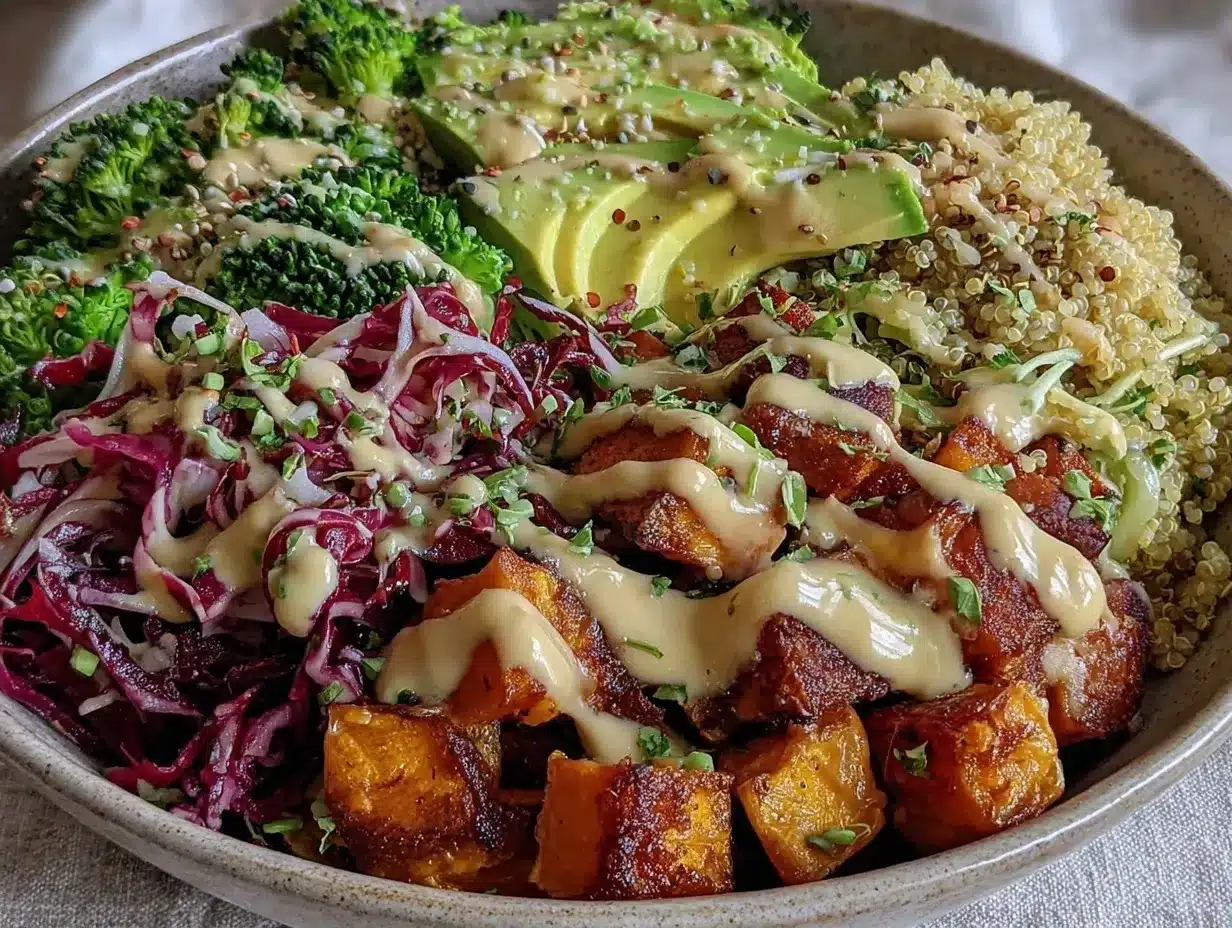
Canned Chickpeas (1 can / 15oz or 425g) — The ultimate lazy protein. Rinse them well to remove the tinny taste. If you want to elevate them, toss them with a little olive oil and cumin and roast them for 15 minutes. But raw (rinsed) chickpeas work fine too. They’re cheap, shelf-stable, and protein-packed.
The Crunchy Veg
Shredded Red Cabbage (2 cups / 100g) — This is the secret weapon. It stays crunchy even if you meal prep. It adds color and texture that lettuce just can’t compete with. I buy a pre-shredded bag to save time, but chopping a wedge works too. It keeps for weeks in the fridge.
The Soft Veg
Avocado (1 medium) — Creamy, rich, and full of healthy fats. Add it right before eating so it doesn’t brown. If you don’t like avocado, substitute with roasted sweet potato cubes or steamed broccoli. But avocado is non-negotiable in my book.
The Sauce
Tahini (3 tablespoons / 45g) — Sesame seed paste. It looks thick and unappetizing straight from the jar, but mixed with lemon and water, it becomes a creamy, nutty dressing. If you can’t find tahini, a simple lemon-olive oil vinaigrette works too, but tahini is what makes this bowl feel special.
Lemon Juice (2 tablespoons / 30ml) — Freshly squeezed is best. Bottled juice tastes metallic and kills the flavor. Squeeze half a lemon, then squeeze the other half to make the dressing. It’s efficient.
Maple Syrup (1 teaspoon / 15ml) — Just a touch to balance the bitterness of the tahini and lemon. You don’t want it sweet; you want it rounded out.
Water (2-4 tablespoons) — To thin the tahini. It might seem counterintuitive to add water to a paste, but tahini breaks down and becomes creamy when whisked with liquid. This is the magic step.
Equipment Needed
You don’t need fancy gadgets for this. Here’s what I actually use.
- Small Saucepan — For cooking the quinoa or rice. Any pot with a lid works.
- Measuring Spoons — For the sauce. Or just eyeball it if you’re feeling bold.
- Small Bowl — For whisking the tahini dressing. A ramekin or even a mason jar works.
- Serving Bowls — Wide bowls are best so you can see all the colors. But any bowl works.
- Knife and Cutting Board — For the avocado. That’s about it.
- Fork or Whisk — To break up the tahini and mix the sauce.
I keep a set of cheap measuring spoons from the dollar store. They work fine. And I use a large knife for the avocado because it’s safer and easier than a small paring knife. Don’t overthink the tools.
How to Make It: Step-by-Step
Alright, let’s make this! I’m walking you through exactly how I do it. It’s so simple you’ll wonder why you ever stressed about lunch.
Step 1: Cook the Grains (15-20 minutes)
Rinse your quinoa or rice. Add it to the saucepan with two cups of water (or broth for more flavor). Bring to a boil, then reduce heat to low, cover, and simmer. Quinoa takes about 15 minutes; brown rice takes 40-45. When it’s done, fluff it with a fork and set it aside. You can make this ahead and store it in the fridge. It reheats well or is great cold.
Step 2: Make the Tahini Dressing (2 minutes)
This is the most important step. In a small bowl, whisk together 3 tablespoons of tahini, 2 tablespoons of lemon juice, 1 teaspoon of maple syrup, and a pinch of salt. It will look thick and clumpy. Don’t panic. Slowly drizzle in 2-4 tablespoons of warm water, whisking constantly. The tahini will seize up at first, then suddenly break and become smooth, creamy, and pourable. This is the “tahini magic.” Add more water if you want it thinner. Set aside.
Step 3: Prep the Chickpeas
Drain and rinse the can of chickpeas thoroughly. Pat them dry with a paper towel. If you’re roasting them, toss with olive oil and cumin now. If you’re keeping them simple, just leave them as is. I usually just rinse them and add them cold or at room temperature. It saves time and cleanup.
Step 4: Prep the Veggies
If you’re using pre-shredded cabbage, just open the bag. If you’re chopping it, slice it thinly. Slice the avocado. If you’re roasting sweet potatoes, do that now (but that’s an optional upgrade). For the simplest version, just have the raw veggies ready to go.
Step 5: Assemble the Bowl
Take your serving bowl. Add a scoop of warm or room-temperature grains. Arrange the chickpeas, cabbage, and avocado in sections. Don’t mix it all together yet. I like to see the colors. It makes the meal feel more intentional. Drizzle the tahini dressing generously over the top. Add a sprinkle of black pepper if you like.
Step 6: Eat
Mix it all together right before you take your first bite. The dressing coats everything, the cabbage crunches, the avocado is creamy, and the grains are hearty. It’s perfect.
Total Time: About 20 minutes active, plus cooking time for grains. But most of that is hands-off.
Expert Tips & Tricks
Here’s everything I’ve learned from making this dozens of times. These tips will save you from my mistakes.
Don’t Skimp on the Water in the Sauce
Tahini sauce is all about texture. If it’s too thick, it tastes pasty. Keep adding water until it’s creamy. It’s okay to add more than 4 tablespoons. You want it to drizzle, not spread like glue.
Rinse the Chickpeas Well
Canned chickpeas have a slimy coating from the can water. Rinse them under cold water until the water runs clear. It makes a huge difference in taste and texture. They’ll also be easier to digest.
Toast the Tahini (Optional)
If you have time, warm the tahini slightly in the microwave for 10 seconds before whisking. It makes it easier to mix and brings out a nuttier flavor. I do this when I’m feeling fancy.
Prep the Cabbage Ahead
Shredded cabbage keeps in the fridge for up to a week in an airtight container. I shred a whole head on Sunday so I can grab it anytime. It’s cheaper than buying pre-shredded bags.
Avocado Hack
If you’re meal prepping, leave the avocado whole until you’re ready to eat. Sliced avocado browns quickly. If you must prep it ahead, sprinkle it with a little lemon juice to slow the browning.
Season the Grains
Cook your quinoa in vegetable broth instead of water for extra flavor. It’s a small step that makes the base taste less bland. I learned this from making coconut cream pie fillings—using flavored liquids makes a big difference.
Variations & Substitutions
Once you’ve nailed the basic version, here’s how you can mix it up. I’ve tried all of these.
Protein Swaps
Instead of chickpeas, try black beans, edamame, or lentils. If you eat meat, grilled chicken (like my foolproof grilled chicken breast) or shrimp works great. But the chickpeas are my favorite for simplicity.
Grain Swaps
Use rice, farro, barley, or even couscous. If you’re avoiding grains, use cauliflower rice. It’s lighter and takes 5 minutes to cook. I like cauliflower rice when I want something extra light.
Veggie Swaps
No cabbage? Use shredded carrots or spinach. No avocado? Use cucumber slices or roasted beets. The rule is: one crunchy veg, one soft veg. That’s it.
Sauce Swaps
No tahini? Use peanut sauce, hummus thinned with water, or a simple balsamic vinaigrette. But tahini is the best because it’s creamy without being dairy-based.
Dietary Modifications
This recipe is naturally vegan, gluten-free, and dairy-free. Just make sure your quinoa is certified gluten-free if you have celiac disease. It’s a great base for almost any diet.
Serving & Storage
How to Serve:
I serve this straight from the prep bowls. It’s rustic and casual. Add some sesame seeds or chili flakes on top for garnish if you want to look fancy. It pairs well with a light soup or a piece of crusty bread.
Storage:
Store the grains, chickpeas, and cabbage in separate airtight containers in the fridge for up to 4 days. Store the dressing separately. Assemble the bowl when you’re ready to eat. The avocado should be added fresh.
Reheating:
If you want warm grains, microwave them for 1-2 minutes. The veggies should be eaten cold or room temperature. Don’t heat the avocado or cabbage. It ruins the texture.
Freezing:
Don’t freeze this. The avocado and cabbage will turn mushy. It’s best made fresh. But the components (grains, chickpeas) freeze well if you need to batch cook.
Nutrition Information
I’m not a nutritionist, but here’s the breakdown if you’re tracking. This is per serving based on 2 bowls.
| Nutrient | Amount |
|---|---|
| Calories | 450 |
| Protein | 15g |
| Carbs | 55g |
| Fiber | 12g |
| Fat | 18g |
| Sodium | 300mg |
What’s Good: High in fiber and healthy fats from the avocado and tahini. The chickpeas provide solid plant-based protein. It’s a balanced meal that keeps you full.
What to Know: The calories come from the healthy fats and grains. If you’re watching calories, reduce the tahini or avocado slightly. But I say enjoy it. It’s nourishing food.
Final Thoughts
So that’s my go-to Healthy Vegetarian Buddha Bowl! I know it’s simple, but that’s the point. In a world of complicated recipes and hard-to-find ingredients, sometimes the best thing you can do is keep it easy. This bowl has saved me from takeout more times than I can count. It’s healthy, it’s delicious, and it’s hard to mess up.
Make it yours! Add whatever veggies you have. Swap the grains. Try different sauces. The best recipes are the ones you adapt to your life. If you make this, drop a comment and let me know what you think! I love hearing how recipes turn out in your kitchen. And if something doesn’t work, tell me that too—I’m here to help troubleshoot.
Happy cooking! And I hope your kitchen smells half as good as mine does right now (mostly just like lemon and sesame).
Frequently Asked Questions
Can I make this ahead for meal prep?
Absolutely. This is one of my favorite meal prep lunches. Store the grains, chickpeas, and cabbage in separate containers. Keep the dressing in a small jar. Assemble in the morning or right before eating. The avocado should be added fresh. It stays good for up to 4 days in the fridge.
Why is my tahini sauce so thick?
Tahini is a paste, so it’s naturally thick. You need to add water gradually to thin it out. Whisk in 1 tablespoon of water at a time until it reaches a drizzling consistency. It might look clumpy at first, but keep whisking—it will smooth out. Don’t skip the water!
Can I use rice instead of quinoa?
Yes, brown rice or white rice works perfectly. Just cook it according to package directions. Brown rice has more fiber, but white rice is softer. Either way, it’s a great base for the bowl.
What if I don’t like tahini?
No problem! You can use peanut sauce, hummus thinned with lemon and water, or a simple olive oil and lemon vinaigrette. The bowl structure stays the same; only the sauce changes. I’ve made it with hummus before and it’s delicious.
How do I keep the avocado from browning?
Add it right before you eat. If you must prep it ahead, slice it and sprinkle it with lemon juice. Store it in an airtight container with plastic wrap touching the surface of the avocado. But really, fresh avocado is best.
Is this bowl filling?
Yes! The combination of fiber from the grains and veggies, plus protein from the chickpeas and healthy fats from the avocado, makes it very satiating. I rarely feel hungry an hour after eating it. It’s a complete meal.
Can I add hot sauce?
Of course! I like a little sriracha or chili flakes in my tahini dressing. It adds a nice kick that balances the creamy sauce. Add it to taste.
Pin This Recipe!
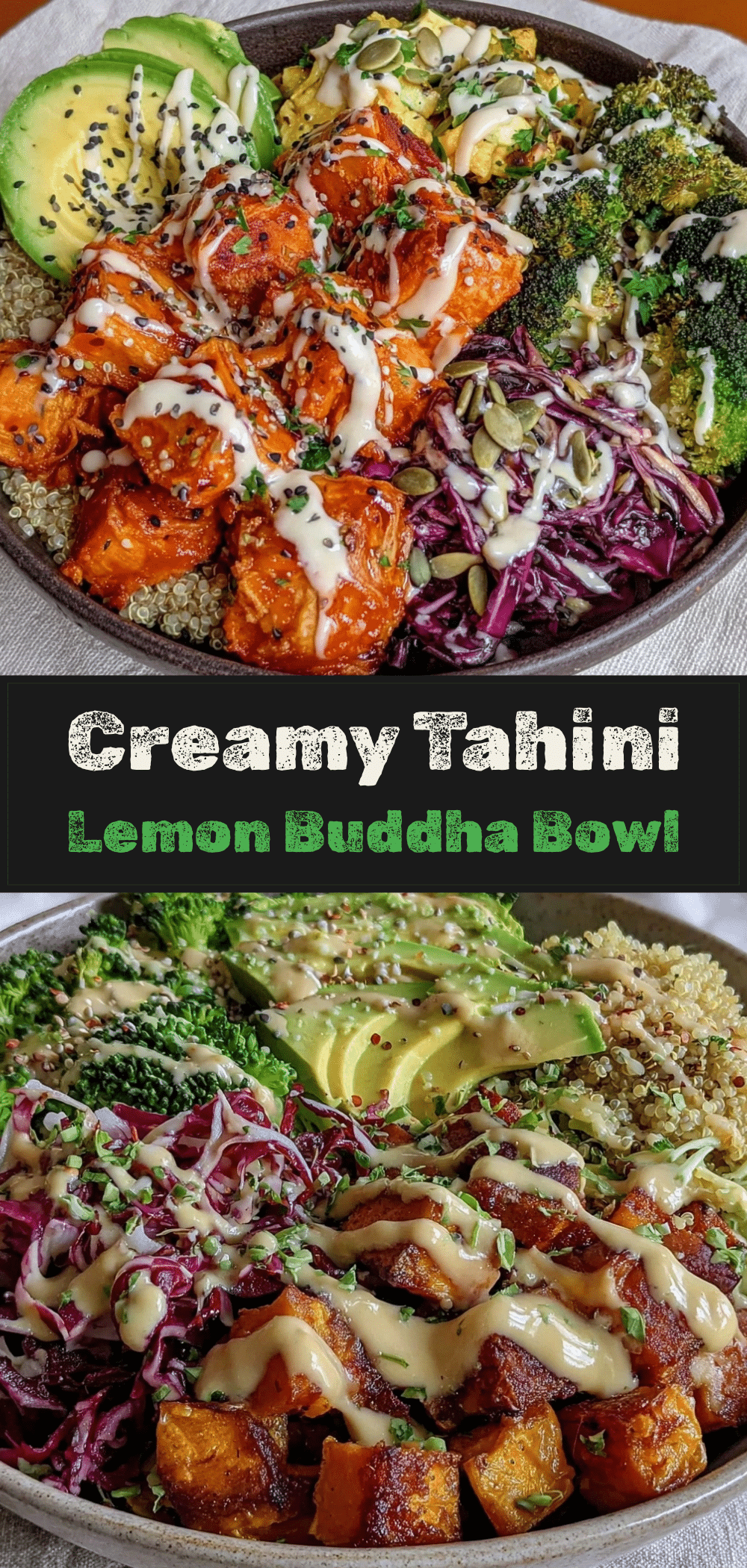
Healthy Vegetarian Buddha Bowl: 5-Ingredient No-Fuss Recipe
- Total Time: 30 minutes
- Yield: 2 servings 1x
Description
A simple, foolproof vegetarian Buddha bowl featuring quinoa, chickpeas, cabbage, avocado, and a creamy tahini dressing. It’s healthy, filling, and takes about 20 minutes to assemble.
Ingredients
- 1 cup dry quinoa or brown rice (180g)
- 1 can (15oz or 425g) chickpeas
- 2 cups shredded red cabbage (100g)
- 1 medium avocado
- 3 tablespoons tahini (45g)
- 2 tablespoons fresh lemon juice (30ml)
- 1 teaspoon maple syrup (15ml)
- 2–4 tablespoons water
- Pinch of salt
- Black pepper to taste
Instructions
- Rinse quinoa or rice and cook according to package directions (quinoa takes ~15 mins, brown rice 40-45 mins). Fluff with a fork and set aside.
- In a small bowl, whisk together tahini, lemon juice, maple syrup, and a pinch of salt.
- Slowly drizzle in 2-4 tablespoons of warm water while whisking constantly until the sauce is smooth, creamy, and pourable.
- Drain and rinse the chickpeas thoroughly, then pat dry.
- Prepare the vegetables: shred the cabbage (if not pre-shredded) and slice the avocado.
- Assemble the bowl by adding a scoop of grains, then arranging chickpeas, cabbage, and avocado in sections.
- Drizzle the tahini dressing generously over the top and sprinkle with black pepper.
- Mix everything together right before eating.
Notes
Tahini sauce may look clumpy at first; keep whisking and adding water until smooth. Rinse chickpeas well to remove the tinny taste. Add avocado fresh to prevent browning. Store components separately in the fridge for up to 4 days.
- Prep Time: 15 minutes
- Cook Time: 15 minutes
- Category: Main Course
- Cuisine: American
Nutrition
- Serving Size: 1 bowl
- Calories: 450
- Sugar: 6
- Sodium: 300
- Fat: 18
- Saturated Fat: 3
- Carbohydrates: 55
- Fiber: 12
- Protein: 15
Keywords: vegetarian, vegan, healthy, buddha bowl, tahini, chickpeas, meal prep, gluten-free, dairy-free, quick dinner