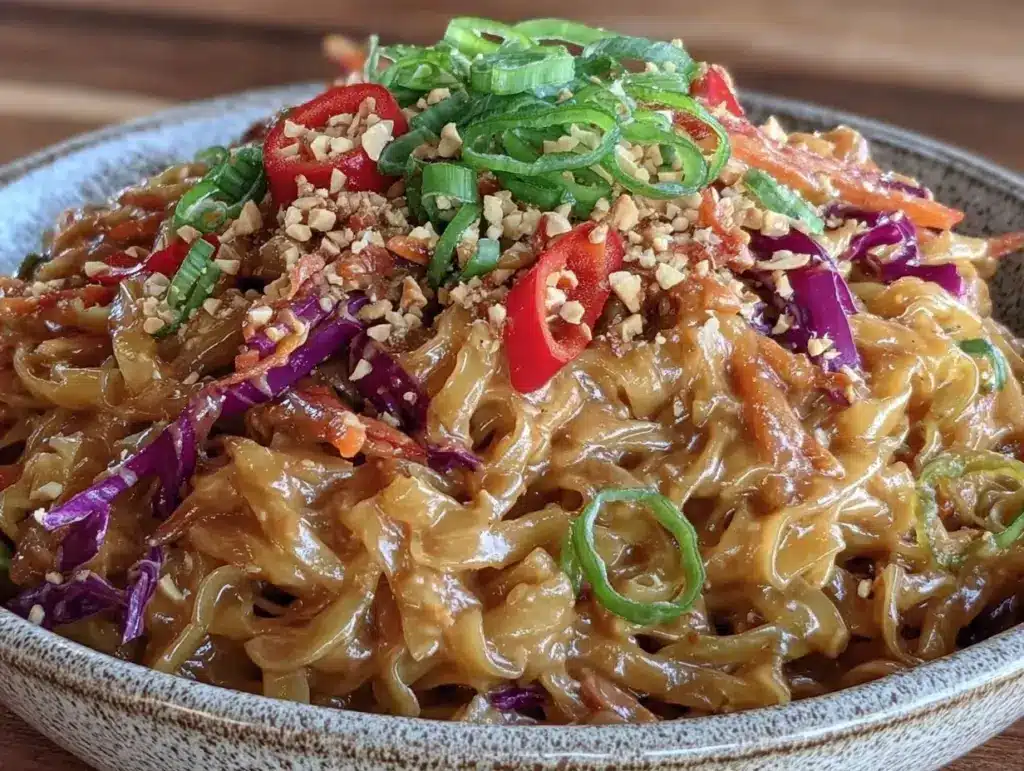
It’s 5:15 PM. The sun is starting to dip, your stomach is growling loud enough to wake the neighbors, and you’re staring at your fridge like it holds the secrets to the universe. Spoiler alert: it doesn’t. There’s half a bag of spinach, three sad carrots, and a jar of pickles.
This is the exact moment I discovered vegan peanut sesame noodles with rainbow veggies. I was tired, I was hungry, and I was definitely not in the mood for takeout. I wanted something hot, savory, and ridiculously fast. So I raided my pantry for the basics—peanut butter, soy sauce, noodles—and threw in whatever colorful stuff was lurking in the crisper drawer. What came out of that pan wasn’t just edible; it was the best weeknight dinner I’d had in months.
It’s creamy, it’s crunchy, it’s got that perfect balance of salty, sweet, and spicy, and it comes together in about 20 minutes. No fancy techniques, no hours of chopping. Just pure, unadulterated comfort food that happens to be plant-based. If you’re looking for a meal that feels like a hug but takes less time than ordering Uber Eats, you need this recipe in your rotation. Seriously. I’ve made this vegan peanut sesame noodles with rainbow veggies at least once a week for the last three years, and it never gets old.
Why You’ll Love This Recipe
Look, I get it. Weeknights are chaos. Between work, kids, laundry, and just trying to survive the day, the last thing you want is a complicated recipe that requires twelve different ingredients and a mountain of dishes. This vegan peanut sesame noodles with rainbow veggies is different. It’s my secret weapon for those “I have no energy” nights.
Here’s why this dish has earned a permanent spot in my kitchen:
Stupid Simple — Seriously, if you can boil water and whisk a sauce, you can make this. I’ve made this while helping my teenager with homework. It’s that low-maintenance.
Lightning Fast — 20 minutes from start to finish. That’s it. The noodles cook while you chop the veggies, and the sauce comes together in a microwave-safe bowl. It’s faster than boiling water for pasta alone.
Zero Waste — This is the “clean out the fridge” king. Any veggie works. Bell peppers, snap peas, carrots, broccoli, zucchini, mushrooms. Use what you have. I love that it prevents food waste because it’s so flexible.
Meal Prep Friendly — These noodles taste even better the next day. The flavors meld together, and the sauce thickens up nicely. I often make a double batch on Sunday and have lunches sorted for the whole week.
Comforting but Light — It feels indulgent because of the creamy peanut sauce, but because it’s packed with veggies and plant-based, you don’t feel heavy or sluggish afterward. Perfect for a busy night when you still want to have energy for whatever’s left.
It’s the answer to “5pm and nothing planned” every single time. No stress, no guilt, just delicious food.
Ingredients You’ll Need
Here’s the best part: you probably have most of this already. This isn’t a recipe that requires a special trip to the store. It’s pantry staples and whatever fresh veggies you have lying around.
For the Noodles & Veggies
Spaghetti or Linguine (8 oz / 225g) — I use regular wheat spaghetti for that classic chew, but rice noodles or udon work great too if you’re gluten-free. Don’t overcook them! We want them al dente because they’ll keep cooking in the hot sauce.
Assorted Veggies (about 3-4 cups total) — This is where the “rainbow” comes in. I usually go for:
- Red bell pepper (1 medium, thinly sliced) — Adds sweetness and crunch.
- Carrots (1 large, julienned or grated) — Classic crunch. Grating them makes them cook faster.
- Snap peas or snow peas (1 cup, halved) — For that fresh, crisp texture.
- Broccoli florets (1 cup) — Chopped small so they cook quickly.
Feel free to swap these out. Zucchini? Yes. Mushrooms? Absolutely. As long as it’s colorful and crunchy, it’s in.
For the Peanut Sesame Sauce
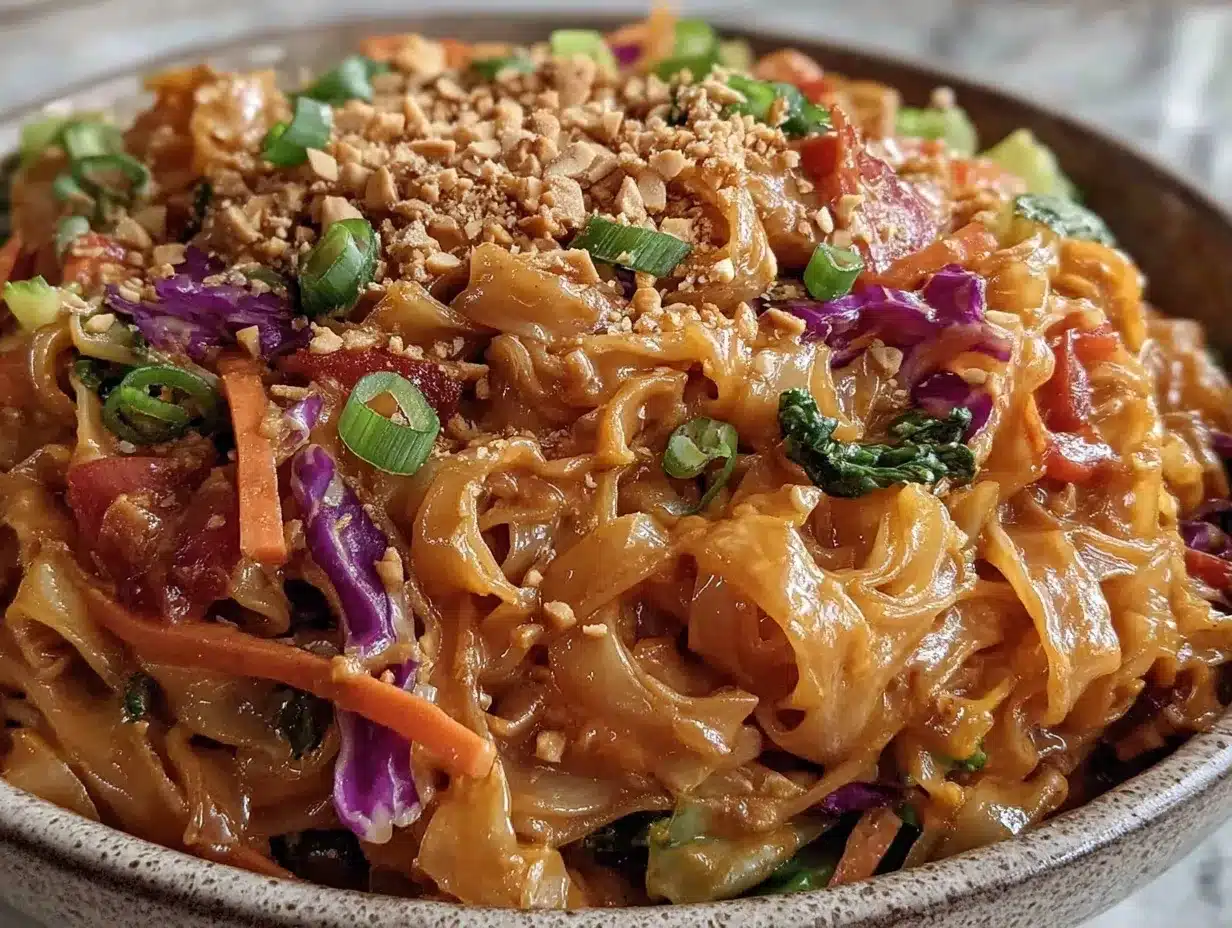
Creamy Peanut Butter (½ cup / 120g) — Use natural, unsweetened peanut butter. The kind where the oil separates is perfect—you just stir it back in. Avoid the ones with added sugar or hydrogenated oils; they make the sauce gritty.
Soy Sauce (3 tablespoons) — Regular soy sauce works, but tamari is great if you need it gluten-free. It provides that essential salty umami base.
Sesame Oil (1 tablespoon) — Toasted sesame oil. This is non-negotiable. It gives that distinct nutty aroma. Don’t use raw sesame oil here; you want the toasted kind.
Rice Vinegar (1 tablespoon) — Adds brightness and cuts through the richness of the peanut butter. Apple cider vinegar works in a pinch, but rice vinegar is more authentic.
Maple Syrup (1-2 tablespoons) — To balance the saltiness. I use 1.5 tablespoons for a perfect sweet-savory balance. Adjust to your taste.
Garlic (2 cloves, minced) — Fresh garlic is best. Jarred garlic can taste metallic in a simple sauce like this.
Ginger (1 teaspoon, fresh grated) — Fresh ginger adds a warm, zesty kick. If you only have ground ginger, use ½ teaspoon, but fresh is so much better.
Sriracha or Chili Flakes (1 teaspoon) — Optional, but I always add a little heat. It wakes up the whole dish. Adjust based on your spice tolerance.
Warm Water (3-4 tablespoons) — To thin out the sauce. You want it pourable but still creamy. Add gradually until you get the right consistency.
Sesame Seeds (1 tablespoon, for garnish) — Toasted sesame seeds add a nice visual pop and extra nuttiness. Black sesame seeds look cool too, but regular works fine.
Fresh Cilantro or Green Onions (for garnish) — Adds freshness and color. I always have green onions in the fridge; they’re the perfect finish.
Equipment Needed
You don’t need fancy gear for this. Here’s what I actually use:
Large Skillet or Wok — A 12-inch skillet works perfectly. I prefer non-stick because cleanup is easier, but a well-seasoned cast iron or stainless steel wok is great too for that high-heat sear.
Medium Saucepan — For boiling the noodles. Any pot that fits your noodles comfortably.
Small Bowl — For whisking the sauce. I use a microwave-safe bowl so I can warm the peanut butter slightly if it’s too stiff.
Colander — For draining the pasta. Or just use the lid if you’re feeling lazy (but be careful!).
Box Grater or Microplane — For grating the carrots and fresh ginger. It makes prep so much faster.
Wooden Spoon or Silicone Spatula — For stirring everything together. Silicone is great because it won’t scratch your pan.
How to Make It: Step-by-Step
Alright, let’s make this! I’m walking you through exactly how I do it, including the little tricks I’ve picked up over time.
Step 1: Prep Your Veggies and Noodles (5 minutes)
Before you turn on the stove, get everything ready. Chop all your veggies into similar-sized pieces so they cook evenly. Thinly slice the bell peppers, julienne the carrots, and chop the broccoli. I like to grate the carrots for a finer texture that cooks faster. Mince the garlic and grate the ginger. Set everything aside in small piles or bowls. This is crucial because once you start cooking, things move fast.
Step 2: Cook the Pasta (8-10 minutes)
Bring a large pot of salted water to a boil. The water should taste like the ocean. Add your spaghetti or linguine and cook according to package directions until al dente. Usually, this takes about 8-10 minutes. Important: Reserve about ½ cup of the starchy pasta water before draining. This liquid is magic for helping the sauce cling to the noodles. Drain the pasta and set it aside. Don’t rinse it!
Step 3: Make the Sauce (2 minutes)
While the pasta cooks, make the sauce. In a medium bowl, combine the peanut butter, soy sauce, sesame oil, rice vinegar, maple syrup, minced garlic, grated ginger, and sriracha. Whisk until smooth. If the peanut butter is stiff, microwave it for 30 seconds to soften it up. Then, add warm water one tablespoon at a time, whisking constantly, until the sauce is creamy and pourable. Taste and adjust: need more salt? Add soy sauce. Need more sweet? Add maple syrup. Need more heat? Add sriracha.
Step 4: Sauté the Veggies (5 minutes)
Heat a large skillet or wok over medium-high heat. Add a splash of oil (I use sesame or avocado oil). Once hot, add the harder veggies first—carrots and broccoli. Stir-fry for 2-3 minutes until they start to soften. Then add the quicker-cooking veggies like bell peppers and snap peas. Cook for another 2-3 minutes. You want them crisp-tender, not mushy. They should still have a bite to them.
Step 5: Combine Everything (2 minutes)
Add the cooked pasta to the skillet with the veggies. Pour the peanut sauce over everything. Toss gently but thoroughly until every noodle is coated in that creamy, savory goodness. If the sauce is too thick, add a splash of the reserved pasta water. If it’s too thin, let it cook for another minute to reduce slightly. The goal is a glossy, thick coating that clings to the noodles.
Step 6: Serve and Garnish
Divide among bowls. Top with toasted sesame seeds, sliced green onions, and fresh cilantro. Serve immediately while it’s hot. The noodles will continue to absorb the sauce, so if you’re meal prepping, store the sauce separately or add a splash of water when reheating.
Total Time: About 20 minutes (5 minutes prep, 15 minutes cooking)
Expert Tips & Tricks
Here’s everything I’ve learned from making this dozens of times. These tips will save you from my mistakes.
Don’t Overcook the Veggies
The biggest mistake people make is mushy vegetables. You want them crisp-tender. They’ll continue to cook a bit when you add the hot sauce and pasta, so pull them off the heat while they still have some snap. I aim for a bright, vibrant color in my veggies—that’s a sign they’re cooked just right.
Warm the Peanut Butter
Cold peanut butter is thick and hard to whisk. If you’re using natural peanut butter that’s separated, let it sit at room temperature for 10 minutes, or microwave it for 20-30 seconds. It makes mixing the sauce so much smoother.
Use the Pasta Water
I cannot stress this enough. That starchy water is what helps the sauce emulsify and stick to the noodles. Without it, you’ll end up with a pool of sauce at the bottom of the bowl and dry noodles on top. Add it gradually until you reach the perfect consistency.
Toast Your Sesame Seeds
If you have an extra minute, toast your sesame seeds in a dry pan for 1-2 minutes until they’re fragrant and lightly golden. It adds a depth of flavor that raw seeds just don’t have. It’s a small step that makes a big difference.
Customize the Heat
This recipe is naturally mild, but if you like it spicy, don’t be shy with the sriracha. You can also add crushed red pepper flakes or a dash of chili oil at the end. I usually add a little extra heat for myself and keep it mild for the kids.
Variations & Substitutions
Once you’ve nailed the basic version, here’s how you can mix it up. I’ve tried all of these.
Noodle Swaps
Rice noodles are a great gluten-free option. Udon noodles make it heartier and chewier. Zucchini noodles (zoodles) work if you want to go low-carb, but add them at the very end just to warm them through so they don’t get watery.
Protein Boost
Add crispy tofu cubes, edamame, or roasted chickpeas for extra protein. I love adding pan-fried tofu cubes on top—it adds a nice texture contrast to the soft noodles.
Veggie Variations
Mushrooms? Yes. Sliced shiitake or button mushrooms add earthiness. Zucchini? Slice it thin and add it with the bell peppers. Bean sprouts? Toss them in at the very end for extra crunch. The key is to use veggies you like and that cook at similar speeds.
Dietary Modifications
Gluten-free? Use tamari instead of soy sauce and gluten-free noodles (rice or corn). Dairy-free? This recipe is already dairy-free! Vegan? It’s already vegan. Just make sure your peanut butter doesn’t have added honey.
Serving & Storage
How to Serve:
I usually serve these straight from the skillet. They look rustic and inviting. Pair them with a simple side like steamed bok choy or a quick cucumber salad. For a complete meal, I add some crispy tofu on top.
Storage:
Store leftovers in an airtight container in the fridge for up to 4 days. The sauce will thicken as it cools, which is normal.
Reheating:
The best way to reheat is in a skillet over medium heat with a splash of water or vegetable broth. Stir frequently until heated through. This restores the creamy texture. Microwaving works too, but add a splash of water first and stir in between intervals to prevent drying out.
Meal Prep:
These noodles are amazing for meal prep. I often make a big batch on Sunday and eat them for lunch during the week. They taste even better on day two as the flavors meld together. Just remember to add a little water when reheating.
Nutrition Information
I’m not a nutritionist, but here’s the breakdown if you’re tracking. This is per serving (based on 4 servings).
Calories: ~450 | Protein: 15g | Carbs: 60g | Fiber: 5g | Sugar: 8g | Fat: 18g | Saturated Fat: 3g | Sodium: 600mg
It’s a balanced meal with good carbs for energy, protein from the peanuts and veggies, and healthy fats from the peanut butter and sesame oil. It’s not a “diet” food, but it’s nutrient-dense and satisfying. If you want to lighten it up, use less peanut butter and more veggies, or switch to zucchini noodles.
Final Thoughts
So that’s my go-to vegan peanut sesame noodles with rainbow veggies! I’ve probably talked your ear off at this point, but when you make a recipe this often, you have a lot to say about it. This has saved weeknight dinners more times than I can count. It’s my answer to “what’s for dinner” when I’m tired, don’t want takeout, and still want something that tastes really good.
Make it yours! Try different veggies, adjust the spice level, swap the noodles. The best recipes are the ones you adapt to your family’s tastes. If you make this, drop a comment and let me know what you think! I love hearing how recipes turn out in your kitchen. And if something doesn’t work, tell me that too—I’m here to help troubleshoot.
Happy cooking! And I hope your kitchen smells half as good as mine does right now.
Frequently Asked Questions
Can I use crunchy peanut butter?
Yes, you can! It will make the sauce a bit thicker and give it a nice texture. You might need to add a little more water to thin it out. I prefer creamy for a smoother sauce, but crunchy adds a fun bite.
Why did my sauce get too thick?
Peanut butter thickens as it cools. If your sauce is too thick, just add warm water, one tablespoon at a time, until you reach your desired consistency. The reserved pasta water works great for this too.
Can I make this ahead of time?
Absolutely. Make the sauce and chop the veggies ahead of time. Cook the noodles fresh when you’re ready to eat. If you’re meal prepping, store the noodles and veggies together, but add the sauce when you reheat to keep the noodles from getting soggy.
Is this recipe gluten-free?
Not as written, because of the soy sauce and wheat noodles. But it’s easy to make gluten-free! Just use tamari instead of soy sauce and rice noodles or gluten-free spaghetti. Everything else is naturally gluten-free.
Can I freeze these noodles?
I wouldn’t recommend it. The noodles tend to get mushy when frozen and reheated, and the sauce can separate. It’s best made fresh. But they store well in the fridge for up to 4 days.
What kind of veggies work best?
Any veggie you like! I recommend starting with hard veggies like carrots and broccoli, then adding softer veggies like bell peppers and snap peas. Mushrooms, zucchini, and bean sprouts are all great additions. The key is to chop them into similar sizes for even cooking.
Pin This Recipe!
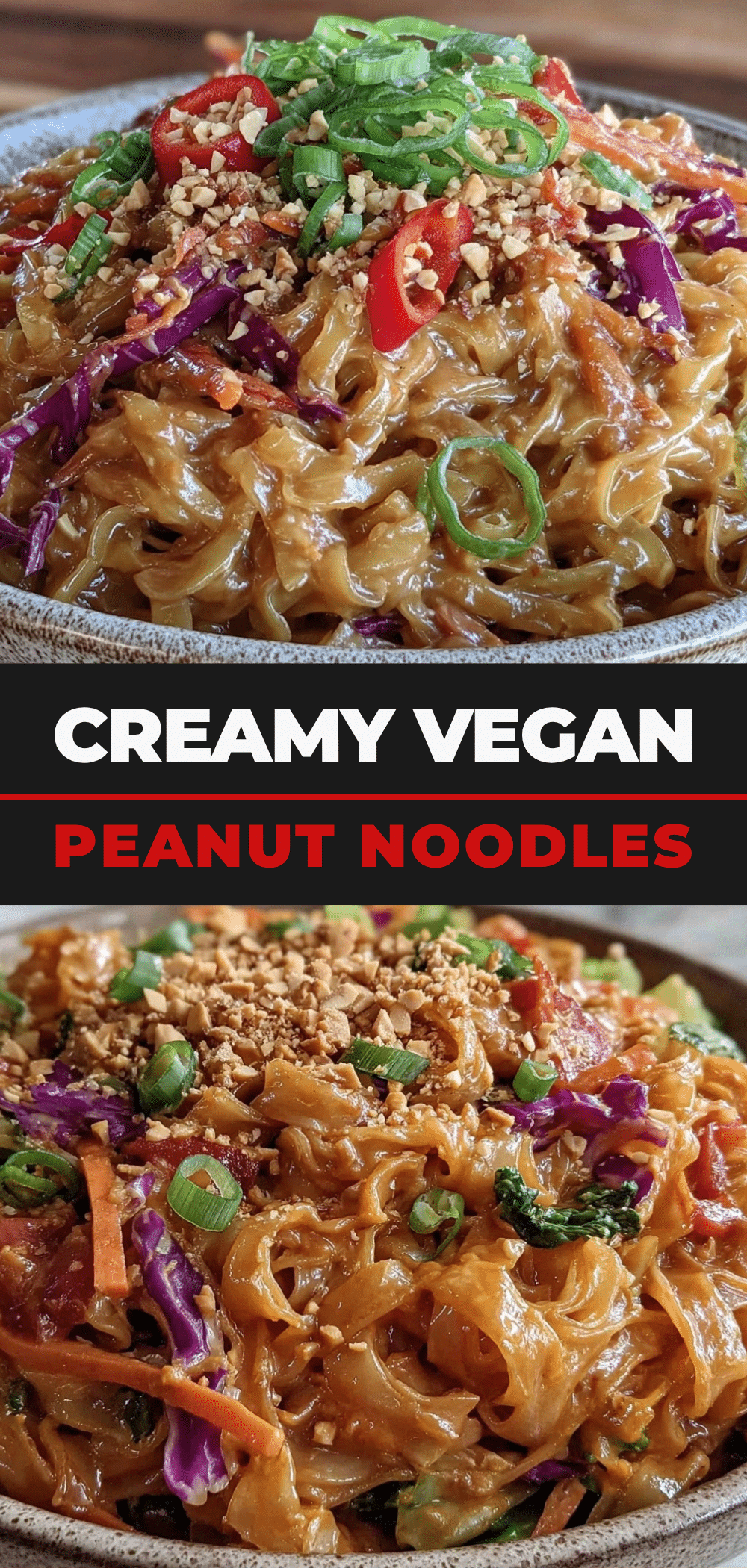
Vegan Peanut Sesame Noodles with Rainbow Veggies
- Total Time: 20 minutes
- Yield: 4 servings 1x
Description
A creamy, savory, and spicy plant-based noodle dish that comes together in just 20 minutes. Perfect for busy weeknights, this recipe uses pantry staples and whatever colorful veggies you have on hand for a comforting, zero-waste meal.
Ingredients
- 8 oz spaghetti or linguine (or rice noodles/udon for gluten-free)
- 1 medium red bell pepper, thinly sliced
- 1 large carrot, julienned or grated
- 1 cup snap peas or snow peas, halved
- 1 cup broccoli florets, chopped small
- 1/2 cup creamy peanut butter (natural, unsweetened)
- 3 tablespoons soy sauce (or tamari for gluten-free)
- 1 tablespoon toasted sesame oil
- 1 tablespoon rice vinegar
- 1.5 tablespoons maple syrup
- 2 cloves garlic, minced
- 1 teaspoon fresh ginger, grated
- 1 teaspoon sriracha or chili flakes (optional)
- 3–4 tablespoons warm water
- 1 tablespoon toasted sesame seeds (for garnish)
- Fresh cilantro or green onions (for garnish)
Instructions
- Prep the veggies and noodles: Chop bell peppers, julienne/grate carrots, and chop broccoli. Mince garlic and grate ginger. Set aside.
- Cook the pasta: Bring a large pot of salted water to a boil. Cook spaghetti or linguine until al dente (8-10 minutes). Reserve 1/2 cup of starchy pasta water before draining. Do not rinse the pasta.
- Make the sauce: In a medium bowl, whisk together peanut butter, soy sauce, sesame oil, rice vinegar, maple syrup, garlic, ginger, and sriracha. If peanut butter is stiff, microwave for 30 seconds. Add warm water one tablespoon at a time until the sauce is creamy and pourable.
- Sauté the veggies: Heat a large skillet or wok over medium-high heat with a splash of oil. Add harder veggies (carrots, broccoli) and stir-fry for 2-3 minutes. Add quicker-cooking veggies (bell peppers, snap peas) and cook for another 2-3 minutes until crisp-tender.
- Combine everything: Add the cooked pasta to the skillet with the veggies. Pour the peanut sauce over everything and toss thoroughly to coat. Add reserved pasta water if the sauce is too thick.
- Serve and garnish: Divide among bowls. Top with toasted sesame seeds, sliced green onions, and fresh cilantro. Serve immediately.
Notes
Do not overcook the vegetables; they should remain crisp-tender. Warm the peanut butter slightly if it is too stiff to whisk. Use the reserved starchy pasta water to help the sauce emulsify and cling to the noodles. Toast sesame seeds in a dry pan for 1-2 minutes for enhanced flavor. Store leftovers in an airtight container in the fridge for up to 4 days. Reheat in a skillet with a splash of water to restore creaminess.
- Prep Time: 5 minutes
- Cook Time: 15 minutes
- Category: Main Course
- Cuisine: Asian Fusion
Nutrition
- Serving Size: 1 bowl
- Calories: 450
- Sugar: 8
- Sodium: 600
- Fat: 18
- Saturated Fat: 3
- Carbohydrates: 60
- Fiber: 5
- Protein: 15
Keywords: vegan, peanut noodles, sesame noodles, weeknight dinner, quick meals, plant-based, gluten-free option, meal prep, healthy dinner, 20 minute meals