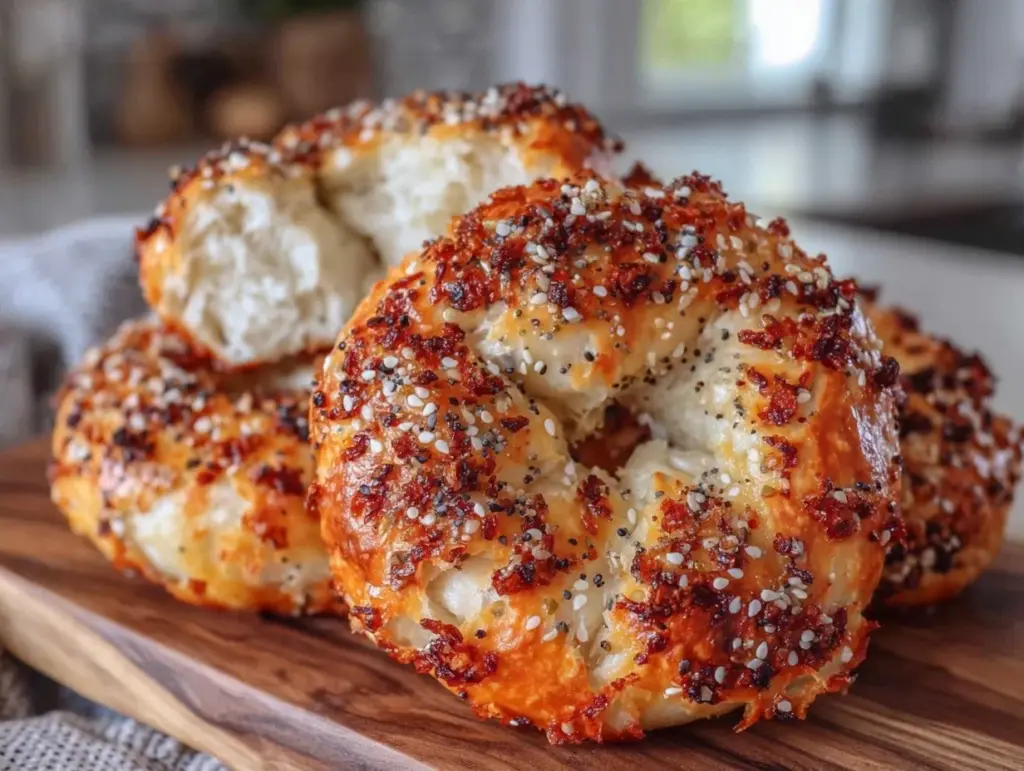
I’ll be honest with you. For years, I bought the plastic-wrapped everything bagels from the grocery store. You know the ones. They’re cheap, they’re convenient, and they taste like… well, like plastic and preservatives. I told myself I was too busy to bake bread. I told myself my kitchen wasn’t equipped for yeast. I told myself I was happy with a soft, squishy bagel that fell apart before I could even spread the cream cheese.
Then, last Saturday, I ran out. Again. I stood in the bakery aisle staring at a stale, hard roll that cost four dollars, and something snapped. I realized I wasn’t just buying a bagel; I was buying mediocrity. So I closed the cart, went home, and decided to try one more time. Just one more time.
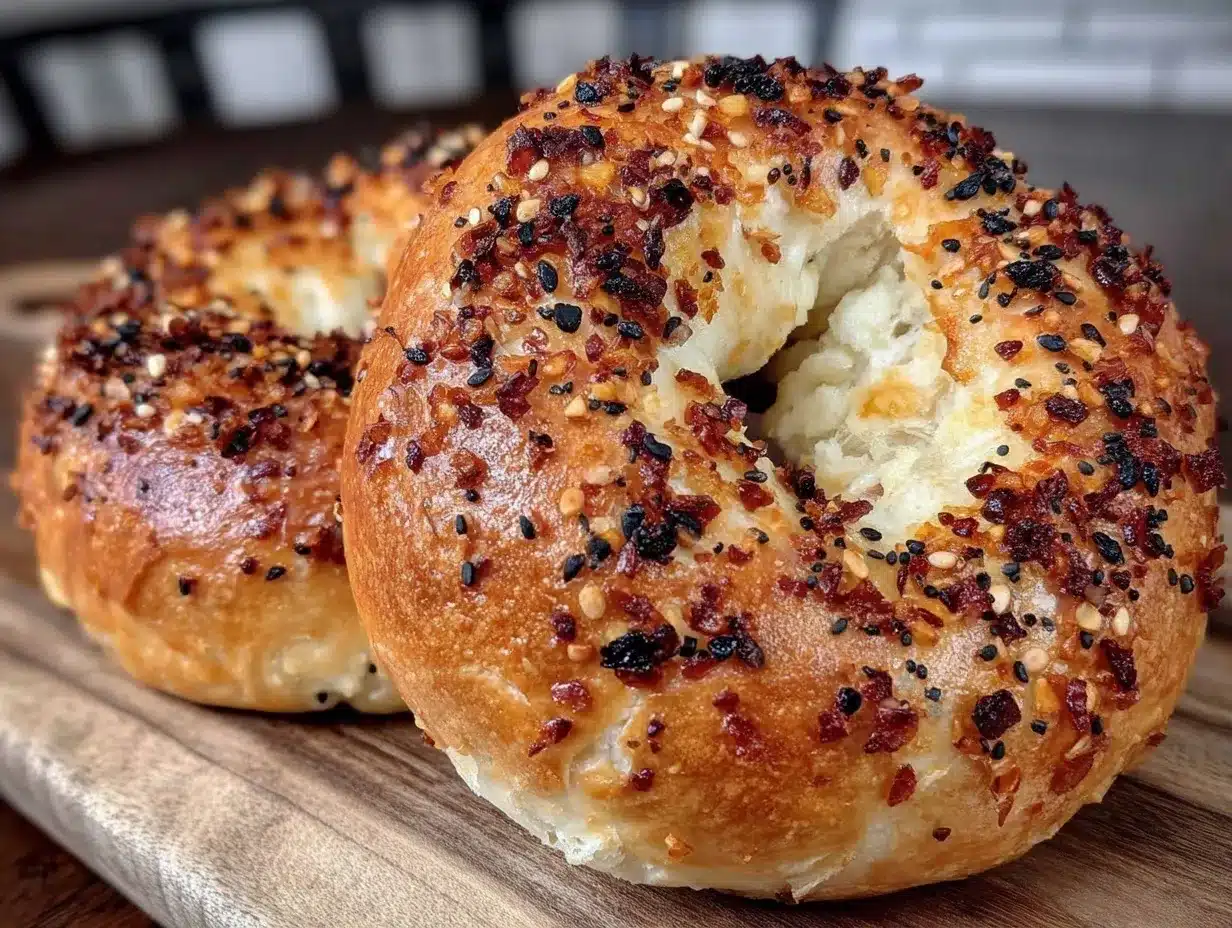
I followed a recipe that promised “chewy centers” and “crisp crusts.” I was skeptical. But when I pulled those golden-brown discs out of the oven, smelling like a New York bagel shop, I knew I was done with the plastic wrap forever. This homemade everything bagel recipe is the only one I need. It’s forgiving, it’s simple, and the result is so much better than anything you can buy at a store. Once you taste the crunch of the crust and the chew of the inside, you’ll never go back.
Why You’ll Make This Homemade Everything Bagel Recipe On Repeat
There are a lot of bread recipes out there. Some are complicated. Some require a stand mixer and three hours of rising time. This one? It’s different. It’s designed for real life and real beginners. Here’s why this homemade everything bagel recipe has taken over my kitchen:
- Zero Special Equipment Needed — You don’t need a bread machine. You don’t need a stand mixer. You need a bowl, a spoon, and a baking sheet. That’s it. If you can mix dough by hand, you can make these.
- Boiling Makes Them Special — Most people skip boiling their dough. Don’t. Boiling is the secret to that shiny, crisp crust and that signature chewy interior. It sounds intimidating, but it’s just water and a pot. It’s actually the easiest part.
- The “Everything” Seasoning Is a Game-Changer — You can buy the blend, or you can make your own in 30 seconds. But once you see how much better it tastes with fresh garlic flakes and toasted sesame seeds, you’ll never buy the pre-packaged stuff again.
- Freezer-Friendly — I bake a double batch every two weeks. They freeze beautifully. I toast them straight from the freezer. They taste fresh every single time.
- Beginner-Proof — I’ve made this recipe with friends who have never touched yeast before. They didn’t burn their hands, they didn’t ruin the dough, and they ended up with perfect bagels. You really can’t mess this up.
This isn’t about being a professional baker. It’s about making something simple, delicious, and satisfying with your own hands. It’s the kind of baking that builds confidence.
Ingredients You’ll Need for the Perfect Bagel
Here’s the best part: you probably have almost all of this in your pantry. This homemade everything bagel recipe relies on simple, high-quality basics. No weird flours or hard-to-find ingredients.
For the Dough
Warm Water (1 ½ cups / 350ml) — This is your yeast food. It needs to be between 105°F and 115°F. If it’s too hot, you’ll kill the yeast. If it’s too cold, it won’t activate. My trick? Run the tap water until it’s hot, then let it sit for a minute. Test it with your finger—it should feel warm, not hot.
Active Dry Yeast (2 packets / 14g) — Standard yeast works fine. I don’t bother with instant yeast because I like to proof it in the water first to make sure it’s alive. If it doesn’t get foamy in 5 minutes, toss it and buy new yeast.
Brown Sugar (2 tablespoons) — A little sweetness helps the yeast work and gives the crust a nice color. I use light brown sugar for that subtle molasses note.
Bread Flour (4 ½ cups / 550g) — This is crucial. Bread flour has more protein than all-purpose flour, which creates the gluten structure needed for that chewy bagel texture. If you only have all-purpose, you can use it, but the bagels will be softer, less chewy. I always keep a bag of King Arthur bread flour on hand.
Salt (2 teaspoons) — Flavor and yeast control. Don’t skip it.
For the Boiling Water
Water (8 cups / 2 liters) — Enough to fill a large pot. You need space for the bagels to float.
Baking Soda (¼ cup) — This creates the alkaline bath that gives bagels their distinctive flavor and deep golden-brown crust. It’s not an acid wash like pretzels; it’s a soda bath. Simple and effective.
For the Topping
Everything Bagel Seasoning (½ cup) — You can buy it (I like Trader Joe’s), but making it is fun. Mix together:
- 2 tablespoons sesame seeds (white and black)
- 2 tablespoons poppy seeds
- 2 tablespoons garlic flakes (not powder! flakes have better texture)
- 2 tablespoons onion flakes
- 1 tablespoon coarse kosher salt
Pro Tip: Toast the sesame seeds in a dry pan for 2 minutes before mixing. It adds a nutty depth that makes the seasoning irresistible.
Equipment Needed
You don’t need fancy gear. Here’s what I actually use:
- Large Mixing Bowl — A big bowl is helpful because the dough expands. I use a 6-quart ceramic bowl.
- Whisk — For mixing the yeast and water.
- Spatula — For folding the dough. My silicone spatula is my best friend in the kitchen.
- Large Pot — For boiling. I use a 12-inch Dutch oven or a large stockpot. It needs to be deep enough that the water doesn’t splash when the bagels go in.
- Baking Sheets — Two standard sheets. Line them with parchment paper or a silicone baking mat. Do not grease the pans; you want the bagels to slide off easily after boiling.
- Parchment Paper Squares — Cut small squares (about 4×4 inches). This is a pro tip: you’ll transfer the boiled bagels onto these squares. It makes moving them to the baking sheet a breeze and prevents sticking.
How to Make Homemade Everything Bagels: Step-by-Step
Alright, let’s get baking! I’m walking you through exactly how I do it. It’s easier than you think.
Step 1: Activate the Yeast (5 minutes)
In your large bowl, combine the warm water and brown sugar. Sprinkle the yeast on top and stir gently. Let it sit for 5-10 minutes. You’re looking for a foamy, beer-like surface. If it’s flat, your yeast is dead. Start over. If it’s foamy, you’re good to go.
Step 2: Mix the Dough (10 minutes)
Add the salt and 2 cups of bread flour. Stir with a spatula until combined. Add the remaining flour gradually, about ½ cup at a time. Stop when the dough starts to come together and is no longer sticky. You might not need all the flour, or you might need a tiny bit more. It depends on your humidity. The dough should be tacky but not sticky to the touch.
Step 3: Knead the Dough (8-10 minutes)
Turn the dough onto a lightly floured surface. Knead by hand. Push the dough away with the heel of your hand, fold it back over, and turn it. Repeat. It feels like work, but it’s only 8 minutes. The dough will become smooth, elastic, and springy. If you press a finger into it, it should bounce back. If it stays indented, knead a minute longer. This develops the gluten that gives bagels their chew.
Step 4: First Rise (1 hour)
Lightly oil the bowl. Place the dough inside and turn it once to coat. Cover with a damp towel or plastic wrap. Let it rise in a warm spot for 1 hour, or until doubled in size. It doesn’t need to be perfect. Just let it sit.
Step 5: Shape the Bagels (15 minutes)
Punch down the dough gently. Divide it into 8 equal pieces. Roll each piece into a ball. Then, poke a hole in the center with your finger. Gently stretch the hole to about 1.5 inches wide. You can use your thumb, or roll the dough around your thumb to shape it. Don’t worry about making them perfect circles. Homemade bagels are rustic and charming. Place them on the parchment paper squares.
Step 6: Second Rise (30 minutes)
Cover the shaped bagels loosely with a towel. Let them rest for 30 minutes. They should look slightly puffy. This is a short rise; we don’t want them to get too big, or they’ll be airy instead of dense and chewy.
Step 7: Boil the Bagels (10 minutes)
Bring a large pot of water to a boil. Add the baking soda (it will foam up, so don’t fill the pot too high). Carefully drop 3-4 bagels into the water. Boil for 1 minute on one side, then flip and boil for 1 minute on the other. Remove with a slotted spoon and place on a baking sheet. The boiling sets the crust and gives that distinctive bagel chew.
Step 8: Add Topping and Bake (20 minutes)
Immediately sprinkle the boiled bagels with your everything seasoning. Press it in gently so it sticks. Bake at 425°F (220°C) for 20-25 minutes, rotating the pan halfway through, until deep golden brown. They should sound hollow when you tap the bottom.
Step 9: Cool and Enjoy
Let them cool on a wire rack for at least 10 minutes before slicing. This is the hard part. If you slice them hot, the steam escapes and the center gets gummy. But wait, and you’ll be rewarded with that perfect chew.
Expert Tips & Tricks for Success
Here’s everything I’ve learned from making these dozens of times. These tips will save you from my early mistakes.
Don’t Over-Knead — You want the dough to be smooth, but if you knead it for 20 minutes, it can become tough. 8-10 minutes is the sweet spot.
Keep the Holes Small — If your bagel holes get too big during shaping, pinch them shut and reshaping. A small hole ensures more of that dense, chewy interior. A giant hole just makes a donut.
Baking Soda Safety — When you add baking soda to boiling water, it foams up aggressively. Make sure your pot is no more than half full, or it will overflow. It’s messy but harmless.
Seasoning Sticks Better Hot — Apply the seasoning immediately after removing the bagel from the water. The surface is wet and sticky, so the seeds and spices will adhere perfectly. If they cool down, the seasoning will fall off in the oven.
Use Parchment Squares — This is my favorite hack. Transfer the boiled bagels onto small parchment squares. Then, just slide the squares onto your baking sheet. No sticking, no mess, no struggling with a slotted spoon.
Variations & Substitutions
Once you’ve nailed the basic everything bagel, here’s how you can mix it up. I’ve tried all of these.
Plain Bagels — Skip the seasoning. Just boil and bake. Perfect for sandwiches.
Cinnamon Raisin — Add ½ cup raisins to the dough during the kneading stage. Sprinkle with cinnamon sugar after boiling.
Garlic & Herb — Mix dried dill, parsley, and garlic powder into the dough. Sprinkle with grated Parmesan after boiling.
Whole Wheat — Substitute half the bread flour with whole wheat flour. The bagels will be denser and nuttier. Add an extra tablespoon of water if the dough feels too dry.
Gluten-Free — Use a 1:1 gluten-free bread flour blend. Note that GF dough is stickier and harder to shape. You may need to use wet hands to shape them into rings.
Serving & Storage
How to serve these bad boys? The classic way is best.
How to Serve: Slice them in half horizontally. Toast them generously. Spread with plain cream cheese, or try something fancy like cinnamon sugar pretzel bites style with brown butter cream cheese. They’re also amazing with smoked salmon and capers, or just plain with butter.
Reheating: If you have leftovers (unlikely), reheat them in a toaster or oven. Microwave makes them chewy in a bad way. Oven at 350°F for 5 minutes brings them back to life.
Freezing: These freeze beautifully. Let them cool completely, then place in a freezer-safe bag. They last for 3 months. Toast straight from frozen.
Nutrition Information
I’m not a nutritionist, but here’s the breakdown if you’re tracking. This is per bagel (makes 8).
| Nutrient | Amount |
|---|---|
| Calories | 240 |
| Protein | 8g |
| Carbs | 48g |
| Fiber | 2g |
| Fat | 1g |
| Sodium | 350mg |
What’s Good: Low fat, decent protein, and no preservatives. What to Know: It’s a carb-heavy food. It’s bread, after all. But it’s clean, simple bread. Much better than the store-bought stuff loaded with sugar and dough conditioners.
Final Thoughts
So that’s my go-to homemade everything bagel recipe! I’ve probably talked your ear off at this point, but when you make a recipe this often, you have a lot to say about it.
This has saved my breakfasts more times than I can count. It’s my answer to “what’s for breakfast” when I want something hearty and satisfying but don’t want to order takeout. My family is happy, my neighbors are happy (thanks to the smell), and I’m happy because I’m not stressed about cooking. I just mix, boil, and bake.
Make it yours! Try different toppings, swap in your favorite seeds, or just enjoy the simple pleasure of a bagel you made with your own hands. The best recipes are the ones you adapt to your tastes.
If you make this, drop a comment and let me know what you think! I love hearing how recipes turn out in your kitchen. And if something doesn’t work, tell me that too—I’m here to help troubleshoot. Happy baking!
Frequently Asked Questions
Can I use all-purpose flour instead of bread flour?
You can, but the bagels will be softer and less chewy. Bread flour has higher protein content, which creates the gluten network needed for that dense, bagel-like texture. If you only have all-purpose, it’s still edible and delicious, just don’t expect the same chew. For the best results, stick with bread flour.
Why did my bagels sink in the middle?
This usually happens if the hole is too big or if the dough was under-proofed. When boiling, the heat expands the air inside. If the hole is too wide, the structure collapses. Make sure your holes are about 1.5 inches wide. Also, ensure your second rise is complete before boiling.
Can I freeze the dough instead of the baked bagels?
Yes! After the first rise, shape the bagels and place them on a baking sheet. Freeze them solid, then transfer to a bag. When ready to bake, thaw them on the counter for a few hours, let them do their second rise, boil, and bake as usual. This is great for meal prep.
Why did my bagels taste like baking soda?
This means you didn’t rinse the baking soda off properly or you boiled them too long in the soda bath. The baking soda should create a thin crust, not soak into the dough. Make sure your water is boiling vigorously before adding the bagels, and don’t exceed 1 minute per side. If they taste too alkaline, next time reduce the baking soda slightly or rinse them briefly in plain water after boiling.
Can I make these in a bread machine?
Yes, use the dough setting for mixing and kneading. Then, take the dough out, shape it by hand, and proceed with the rising, boiling, and baking steps. The bread machine saves you the kneading effort, which is nice if you have hand arthritis or just want to save time.
How do I store leftover bagels?
Store them in an airtight container at room temperature for up to 3 days. For longer storage, freeze them. Never refrigerate bagels; it makes them go stale much faster due to starch retrogradation. If you must keep them out for a few days, an airtight container is best.
Pin This Recipe!
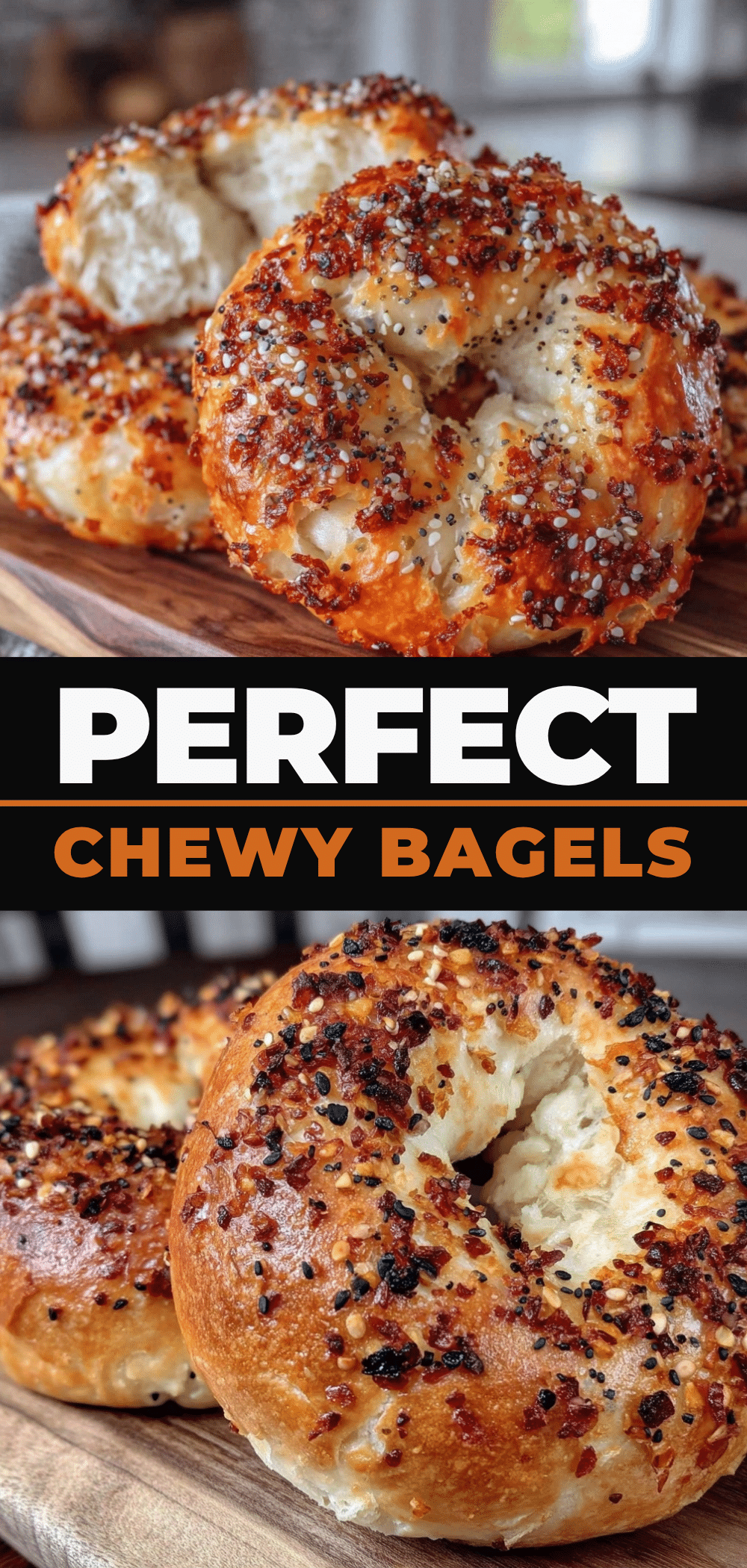

Homemade Everything Bagels: Best Chewy Recipe
- Total Time: 1 hour 15 minutes
- Yield: 8 servings 1x
Description
These homemade everything bagels feature a crisp, golden crust and a signature chewy interior. This beginner-proof recipe requires no special equipment and uses simple pantry staples for a result that beats store-bought bagels.
Ingredients
- 1 ½ cups warm water (105°F-115°F)
- 2 packets active dry yeast (14g)
- 2 tablespoons brown sugar
- 4 ½ cups bread flour
- 2 teaspoons salt
- 8 cups water (for boiling)
- ¼ cup baking soda
- ½ cup everything bagel seasoning
- 2 tablespoons sesame seeds (white and black)
- 2 tablespoons poppy seeds
- 2 tablespoons garlic flakes
- 2 tablespoons onion flakes
- 1 tablespoon coarse kosher salt
Instructions
- In a large bowl, combine warm water and brown sugar. Sprinkle yeast on top and stir gently. Let sit for 5-10 minutes until foamy.
- Add salt and 2 cups of bread flour. Stir with a spatula until combined. Gradually add remaining flour until dough is tacky but not sticky.
- Turn dough onto a lightly floured surface and knead by hand for 8-10 minutes until smooth, elastic, and springy.
- Place dough in a lightly oiled bowl, cover with a damp towel or plastic wrap, and let rise in a warm spot for 1 hour or until doubled in size.
- Punch down dough and divide into 8 equal pieces. Roll each into a ball, poke a hole in the center, and stretch to about 1.5 inches wide. Place on parchment paper squares.
- Cover shaped bagels loosely and let rest for 30 minutes until slightly puffy.
- Bring a large pot of water to a boil and add baking soda. Carefully drop 3-4 bagels into the water. Boil for 1 minute per side.
- Remove bagels with a slotted spoon and immediately sprinkle with everything seasoning, pressing gently to adhere.
- Bake at 425°F (220°C) for 20-25 minutes, rotating pan halfway through, until deep golden brown and hollow when tapped.
- Cool on a wire rack for at least 10 minutes before slicing.
Notes
Ensure water is between 105°F and 115°F to activate yeast without killing it. Toast sesame seeds before mixing for better flavor. Do not grease baking pans; use parchment squares to prevent sticking. If bagels taste like baking soda, you may have boiled them too long or not rinsed properly. Store in an airtight container at room temperature for up to 3 days or freeze for up to 3 months.
- Prep Time: 45 minutes
- Cook Time: 30 minutes
- Category: Breakfast
- Cuisine: American
Nutrition
- Serving Size: 1 bagel
- Calories: 240
- Sugar: 2
- Sodium: 350
- Fat: 1
- Carbohydrates: 48
- Fiber: 2
- Protein: 8
Keywords: homemade bagels, everything bagels, chewy bagels, bread recipe, breakfast ideas, yeast dough, baking from scratch