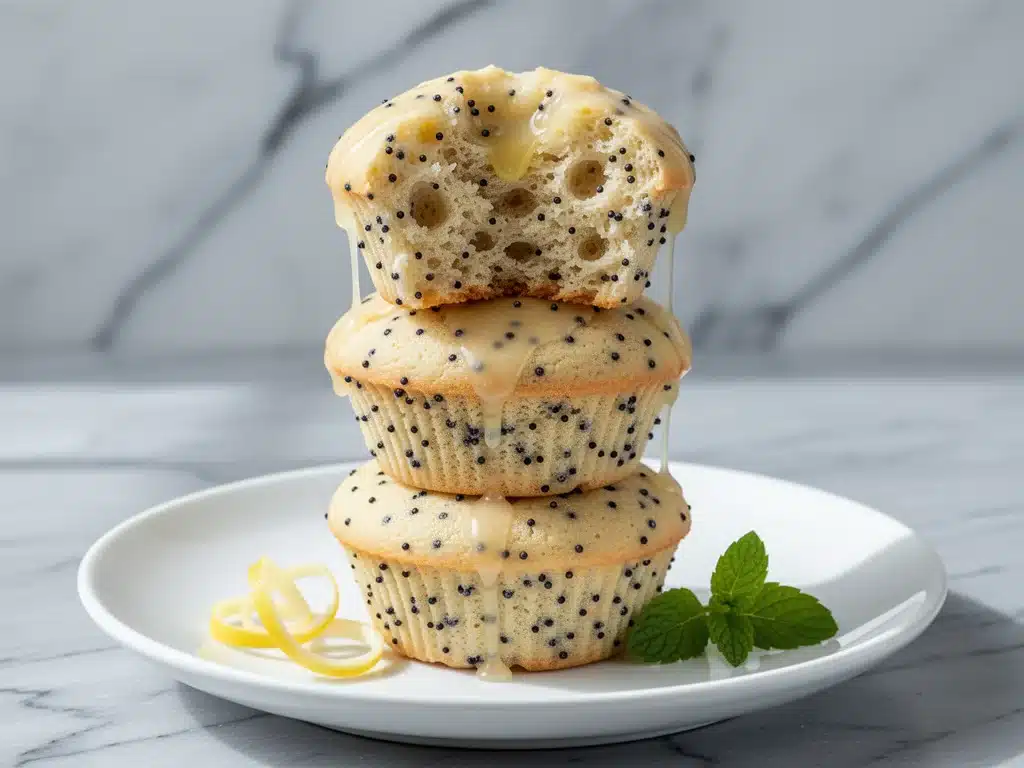
Let’s be honest for a second. I have a love-hate relationship with gluten-free baking. On one hand, I crave the fluffy, pillowy softness of a classic muffin. On the other hand, I’ve spent way too many weekends staring at dense, crumbly disasters that taste like cardboard and regret. You know the ones. They hold together if you’re gentle, but crumble into dust if you look at them wrong. And don’t even get me started on the texture—that weird, grainy mouthfeel that screams “I’m made from sawdust.”
But then I found this recipe. And I mean found it, like stumbled upon it by accident after my third failed attempt at a GF banana bread that tasted like pure cardboard. These Gluten-Free Coconut Flour Lemon Poppy Seed Muffins are the real deal. Seriously. The first time I made them, I handed one to my husband, who is notoriously picky about anything labeled “diet” or “gluten-free,” and he took a bite, paused, and asked, “Wait, are these… actually good?” That’s the highest compliment I could possibly receive.
What makes these special isn’t just that they’re gluten-free. It’s that they’re bright, tangy, and moist in a way I didn’t think coconut flour could achieve. Coconut flour is notorious for sucking up every bit of liquid in your batter, leaving you with a dry brick. But the trick here is balancing that thirst with enough egg and fat, plus the acidity from the lemon curd or juice, to create a tender crumb that actually feels like a treat. Add in the poppy seeds for that satisfying little crunch, and you’ve got a muffin that stands up to its wheat-based cousins—and then some.
I’ve made these at least a dozen times now. Sometimes for a quick breakfast, sometimes as a snack with afternoon coffee, and occasionally because I needed to bring something to a potluck that my gluten-sensitive friends could actually eat without feeling left out. Each time, the result is the same: a golden, citrusy, tender muffin that disappears fast. If you’ve been avoiding gluten-free baking because you think it’s all dry and disappointing, this is the recipe that will change your mind. Trust me on this one.
Why You’ll Love This Recipe
There are a lot of muffin recipes out there. I’ve tried them. Some are too sweet, some are too dense, and some just taste like you’re eating a sponge. These Gluten-Free Coconut Flour Lemon Poppy Seed Muffins hit that sweet spot—pun intended—where flavor, texture, and ease of cooking all align perfectly. Here’s why they’ve earned a permanent spot in my weekly rotation:
They’re Actually Moist — I know, I know, “moist” is a scary word in baking. But these are tender and juicy, not soggy. The secret is the ratio of wet to dry ingredients. Coconut flour is incredibly absorbent, but when you give it enough eggs and butter (or oil), it creates a soft, cake-like texture that’s impossible to mess up. I’ve had people ask me if I put yogurt in there because of how soft they are.
Gluten-Free Without the Grit — Most GF flours leave a sandy residue in your mouth. Coconut flour is different. It’s fine and powdery, and when baked correctly, it disappears into the background, letting the lemon and poppy seeds shine. No weird aftertaste. No gritty texture. Just pure, clean muffin goodness.
Bright and Refreshing — Lemon poppy seed is a classic for a reason. It’s not heavy like pumpkin or chocolate. It’s light, zesty, and perfect for any time of day. I love these with a morning cup of tea or as a pick-me-up snack in the afternoon. They feel indulgent but not guilty.
Quick and Easy — You don’t need a stand mixer. You don’t need fancy ingredients from three different stores. You just need a bowl, a whisk, and about 20 minutes of prep time before they go into the oven. I make these on Sunday mornings while my kids are playing, and they’re ready by the time I’ve finished my coffee.
Freezer-Friendly — Here’s the best part: they freeze beautifully. I bake a double batch, let them cool completely, and toss them in a bag in the freezer. When I need a quick breakfast on a busy Tuesday, I just pull one out and microwave it for 30 seconds. It tastes fresh-baked. Seriously. I’ve done this at least five times this month alone.
This recipe has saved me from buying overpriced, sad-looking gluten-free muffins at the bakery. It’s reliable, delicious, and makes everyone happy, whether they’re gluten-free or not. That’s the kind of recipe you want to have in your back pocket.
Ingredients You’ll Need
One thing I love about this recipe is how simple the ingredient list is. You probably have most of this already in your pantry. Coconut flour is the star, but it plays well with others. Here’s exactly what you need and why I’m picky about certain choices.
Coconut Flour (1 cup / 100g) — This is the base. Use unsweetened, finely ground coconut flour. I like the brand Bob’s Red Mill because it’s consistently fine. If your coconut flour is coarse, it’ll make the muffins gritty. Sift it if it’s lumpy. Trust me, it’s worth the extra 30 seconds.
Almond Flour (½ cup / 50g) — I add almond flour to balance out the coconut flour. It adds fat and moisture, preventing the muffins from drying out. You can skip it if you’re allergic to nuts, but the texture won’t be quite as tender. I don’t recommend using more coconut flour to replace it—it’ll get too dry.
Poppy Seeds (2 tablespoons) — For that classic lemon poppy seed crunch. You can find these in the baking aisle. If you can’t find them, you can skip them, but you’ll miss the texture. They’re cheap and last forever in the pantry.
Granulated Sugar (¾ cup / 150g) — I use regular white sugar. You can use coconut sugar if you want a lower glycemic index, but it’ll make the muffins darker and slightly denser. I prefer the light, sweet flavor of white sugar here. If you’re watching sugar, you can reduce it to ½ cup, but they’ll be less sweet.
Baking Powder (2 teaspoons) — Coconut flour doesn’t rise well on its own, so you need a good leavening agent. Make sure your baking powder is fresh! I test mine by dropping a bit in hot water—if it fizzes, it’s good. If it’s old, your muffins will be flat. I learned this the hard way with a batch that looked like hockey pucks.
Salt (½ teaspoon) — Just a pinch to balance the sweetness. Don’t skip it. It makes the lemon flavor pop.
Eggs (4 large) — This is crucial. Coconut flour needs structure, and eggs provide that. Don’t try to substitute these with flax eggs or applesauce unless you want a dense, gummy result. I’ve tried it. It didn’t work. You need the protein and fat from real eggs.
Melted Butter or Coconut Oil (¼ cup / 55g) — Butter gives a richer flavor, but coconut oil works if you’re dairy-free. I use butter because it tastes better. Melt it and let it cool slightly before adding so you don’t scramble the eggs.
Greek Yogurt (½ cup / 120g) — Plain, full-fat Greek yogurt. This adds moisture and tang. I use full-fat because low-fat versions can make the muffins dry. If you’re out of yogurt, sour cream works too. I’ve used both, and they’re interchangeable.
Lemon Juice (2 tablespoons) — Freshly squeezed is non-negotiable. Bottled lemon juice tastes metallic and flat. I juice two lemons for this. If you’re feeling fancy, add the zest of one lemon too—it amplifies the flavor tenfold.
Lemon Extract or Vanilla Extract (1 teaspoon) — I use lemon extract for a stronger lemon flavor. If you don’t have it, vanilla works, but it’ll be more of a lemon-vanilla muffin. I prefer pure lemon extract, like McCormick’s, for that authentic taste.
Optional: Lemon Glaze — Powdered sugar (¼ cup) mixed with 1-2 teaspoons of lemon juice. Drizzle over cooled muffins for a pretty finish. I do this when I’m feeling fancy or when I’m bringing them to a gathering.
Equipment Needed
You don’t need anything fancy for these muffins. Here’s what I actually use in my kitchen.
Muffin Tin — A standard 12-cup muffin tin. I use my non-stick one because cleanup is easier. If you don’t have non-stick, line the cups with paper liners or grease them well with butter or cooking spray.
Muffin Liners — Paper liners make cleanup a breeze. I like the white ones because they don’t stain from the lemon. If you’re trying to reduce waste, you can skip them, but be prepared to scrub.
Mixing Bowls — One medium bowl for dry ingredients, one large for wet. I use glass bowls because I can see what’s happening. Plastic works too, but glass is easier to clean.
Whisk — A standard balloon whisk. You need to whisk the eggs well to incorporate air, which helps with rising. I use a silicone whisk because it doesn’t scratch my bowls.
Measuring Cups and Spoons — For dry ingredients, I prefer weighing them if I have a scale. But if you’re using cups, spoon the coconut flour into the cup and level it off. Don’t scoop directly from the bag—that packs it down and you’ll end up with too much flour, leading to dry muffins. I’ve made this mistake more than once.
Zester or Grater — If you’re using lemon zest, a microplane zester is my favorite. It gives fine zest without the bitter white pith. A regular grater works too, but be careful not to get the white part.
Cooling Rack — Essential for letting the muffins cool completely before glazing or storing. If you put hot muffins in a bag, they’ll get soggy. I learned this lesson when I tried to meal-prep a batch and ended up with mushy muffins.
Optional: Food Processor — If you want to make your own almond flour, you can pulse raw almonds in a food processor until fine. But store-bought is fine and saves time.
How to Make It: Step-by-Step
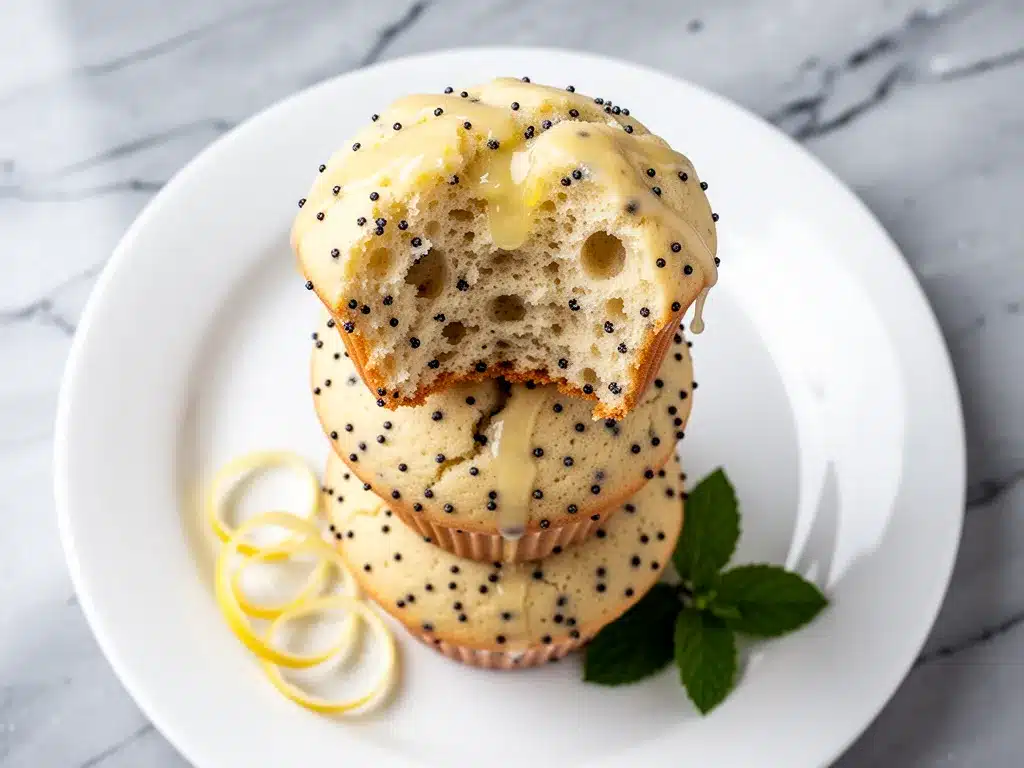
Alright, let’s get baking! This is straightforward, but there are a few tricks to ensure your muffins come out perfectly. I’m walking you through exactly how I do it, based on years of trial and error.
Step 1: Prep Your Oven and Pan (5 minutes)
Preheat your oven to 350°F (175°C). This is crucial. If your oven isn’t hot enough, your muffins won’t rise properly. While the oven heats, line your muffin tin with paper liners. I usually do 12, but if you want bigger muffins, fill only 8 cups. I like standard size because they’re easy to handle and freeze individually.
Step 2: Mix the Dry Ingredients (2 minutes)
In a medium bowl, whisk together the coconut flour, almond flour, baking powder, salt, and poppy seeds. I do this first because it’s quick, and then I can focus on the wet ingredients. Make sure there are no lumps in the coconut flour. If you see any, sift them out. This step ensures even distribution of the leavening agent.
Step 3: Whisk the Wet Ingredients (3 minutes)
In a large bowl, whisk the eggs until they’re light and frothy. This incorporates air, which helps the muffins rise. Then add the melted butter (or coconut oil), Greek yogurt, lemon juice, and lemon extract. Whisk until everything is smooth and combined. The mixture should look creamy and pale yellow. If you’re using lemon zest, add it now. I zest the lemon directly into the bowl to catch all the oils.
Step 4: Combine Wet and Dry (2 minutes)
Pour the wet ingredients into the dry ingredients. Stir gently with a spatula until just combined. Do not overmix! Overmixing develops gluten (even in GF flour, it can make things tough) and leads to dense muffins. The batter will be thick. I mean thick. Like cookie dough thick. This is normal. Coconut flour absorbs a lot of liquid, so don’t add more flour. If it seems too dry, add a tablespoon of milk or yogurt, but usually, it’s fine.
Step 5: Fill the Muffin Cups (2 minutes)
Divide the batter evenly among the 12 muffin cups. I use an ice cream scoop for this—it ensures each muffin gets the same amount. If you don’t have a scoop, use a spoon and level it off. Fill each cup about ¾ full. You want space for them to rise without spilling over.
Step 6: Bake (18-20 minutes)
Place the muffin tin in the center of the oven. Bake for 18-20 minutes. The muffins are done when they’re golden brown on top and a toothpick inserted into the center comes out clean. If it comes out with wet batter, bake for another 2-3 minutes. I check at 18 minutes because ovens vary. Don’t open the oven door too early, or the muffins might collapse. I know, I know, it’s hard to resist, but trust the process.
Step 7: Cool and Glaze (10 minutes)
Remove the muffins from the oven and let them cool in the pan for 5 minutes. Then transfer them to a wire rack to cool completely. If you try to glaze them while they’re warm, the glaze will melt and run off. I make a simple glaze by mixing powdered sugar and lemon juice until it’s the consistency of thick honey. Drizzle it over the cooled muffins. I usually do this right before serving, or I can store them unglazed and glaze them later.
Total Time: About 35 minutes (5 minutes prep, 20 minutes bake, 10 minutes cool).
Troubleshooting Tips
Batter too thick? Add a splash of milk or yogurt. But don’t add more flour. It’ll make them dry.
Muffins dense? You probably overmixed the batter or your baking powder was old. Whisk the eggs well and use fresh baking powder.
Muffins dry? You might have used too much coconut flour. Remember, scoop and level, don’t pack it down. Or bake them for too long. Check at 18 minutes.
Expert Tips & Tricks
After making these muffins dozens of times, I’ve learned a few things that make a huge difference. These tips will save you from my mistakes and ensure your muffins are perfect every time.
Don’t Skimp on Eggs — I know, eggs are expensive right now. But coconut flour needs them for structure. If you try to reduce the number of eggs, the muffins will fall apart. Use 4 large eggs. If you’re allergic, this recipe isn’t for you unless you experiment with egg replacers, which I haven’t had success with.
Sift the Coconut Flour — It’s clumpy. Sifting it into your bowl ensures a smooth batter. I use a fine-mesh sieve and tap it gently. It takes 30 seconds, but it prevents lumps in your muffins.
Use Full-Fat Yogurt — Low-fat yogurt makes these muffins dry. I use full-fat Greek yogurt because it’s creamy and tangy. If you’re out of Greek yogurt, sour cream or even heavy cream works, but Greek yogurt is the best balance of fat and moisture.
Don’t Overbake — Coconut flour muffins can dry out quickly. I check them at 18 minutes. If the toothpick comes out with a few moist crumbs, they’re done. If it’s completely clean, they might be overbaked. They continue to cook in the pan, so pull them when they’re almost done.
Let Them Cool Completely — I know, they smell amazing. But if you try to glaze them or store them warm, they’ll get soggy. I use a cooling rack to speed up the process. If I’m in a hurry, I put them in the fridge for 10 minutes to cool faster.
Freeze the Batter — If you want to make muffins ahead, you can actually freeze the batter. Scoop it into the liners and freeze them on a baking sheet. Then transfer to a bag. Bake from frozen, adding 2-3 minutes to the bake time. I do this for busy mornings. It’s a game-changer.
Variations & Substitutions
Once you’ve mastered the basic recipe, here’s how you can mix it up. I’ve tried all of these, and they all work.
Blueberry Lemon — Skip the poppy seeds and add 1 cup of fresh or frozen blueberries. Fold them in gently at the end. I use frozen berries because they don’t sink as much. Just toss them in a little flour before adding to prevent sinking.
Chocolate Chip Lemon — Add ½ cup of dark chocolate chips. The lemon and chocolate are a weirdly perfect combination. I use dark chocolate because it’s not too sweet. If you’re using milk chocolate, reduce the sugar in the recipe by 2 tablespoons.
Raspberry Poppy Seed — Swap the poppy seeds for fresh raspberries. They add a beautiful pink color and tart flavor. Be gentle when folding them in so they don’t burst.
Dairy-Free — Use coconut oil instead of butter and coconut yogurt instead of Greek yogurt. The texture will be slightly different, but still moist. I’ve made this version for dairy-free friends, and they loved it.
Sugar-Free — Use a monk fruit or erythritol sweetener instead of sugar. I like Swerve because it measures cup-for-cup. The muffins will be less sweet, so you might want to add more lemon zest or extract to compensate.
Nut-Free — Skip the almond flour and replace it with more coconut flour. But be careful—you’ll need to add a bit more liquid, like an extra egg or a splash of milk. I usually add ½ cup more coconut flour and ¼ cup more yogurt. Test the batter consistency; it should be thick but scoopable.
Serving & Storage
These muffins are best served fresh, but they’re also great for meal prep. Here’s how I store and reheat them.
Room Temperature: Store in an airtight container for up to 3 days. I keep them on the counter because they stay moist. If your kitchen is hot, put them in the fridge.
Refrigerator: Store in an airtight container for up to 5 days. They’ll firm up a bit in the fridge, but they’re still good. I like to eat them cold straight from the fridge—they taste like lemon bars.
Freezer: Freeze in a freezer-safe bag for up to 3 months. Thaw at room temperature or microwave for 30 seconds. I freeze them unglazed because the glaze doesn’t freeze well. If you glaze them before freezing, it’ll get sticky and messy.
Reheating: Microwave for 20-30 seconds to warm them up. They’ll be soft and moist. If you want a crispy top, put them in the oven at 350°F for 5 minutes. I rarely do this, but it’s nice if you have time.
Serving Suggestions: I serve these with a cup of coffee or tea. They’re also great with a side of fresh fruit or yogurt. If I’m making them for a brunch, I pair them with my fluffy lemon ricotta pancakes for a full lemon-themed breakfast. Or, if you want something savory, try my creamy pumpkin alfredo pasta for dinner and these for dessert.
Nutrition Information
I’m not a nutritionist, but here’s the breakdown if you’re tracking. These are estimates based on 12 muffins.
Per Muffin (with glaze):
- Calories: 180
- Protein: 6g
- Carbs: 12g
- Fiber: 3g
- Sugar: 8g
- Fat: 12g
- Saturated Fat: 7g
- Cholesterol: 50mg
- Sodium: 150mg
What’s Good: High in protein from the eggs and almond flour. Good fiber from the coconut flour. Gluten-free and nut-free options available.
What to Know: Higher in fat due to coconut flour and eggs. Contains nuts unless you substitute. Moderate sugar, but you can reduce it.
My Take: These are a treat, not a health food. But they’re way better than store-bought GF muffins, which are often full of preservatives. I enjoy one or two with my coffee and feel good about it.
Final Thoughts
So that’s my Gluten-Free Coconut Flour Lemon Poppy Seed Muffins recipe! I’ve probably talked your ear off, but when you love a recipe this much, you have a lot to say about it. These muffins have saved me from buying sad, dry GF baked goods at the store. They’re easy, delicious, and make everyone happy.
Make them yours! Try different add-ins, swap in your favorite extract, or adjust the lemon. The best recipes are the ones you adapt to your tastes. If you make these, drop a comment and let me know what you think! I love hearing how recipes turn out in your kitchen. And if something doesn’t work, tell me that too—I’m here to help troubleshoot.
Happy baking! And I hope your kitchen smells half as good as mine does right now.
Frequently Asked Questions
Can I use all coconut flour, no almond flour?
You can, but the muffins will be denser and drier. Almond flour adds fat and moisture, which balances out the coconut flour’s thirst. If you must use all coconut flour, add an extra egg and a splash of milk. But I really recommend keeping the almond flour for the best texture.
Why are my muffins dry?
This usually happens if you used too much coconut flour or overbaked them. Remember, scoop and level the flour, don’t pack it down. Also, check them at 18 minutes. If the toothpick is clean, they might be overbaked. Coconut flour muffins dry out quickly, so err on the side of underbaking.
Can I freeze the batter?
Yes! Scoop the batter into the muffin liners and freeze them on a baking sheet. Once solid, transfer to a bag. Bake from frozen, adding 2-3 minutes to the bake time. This is a great way to have fresh muffins ready to go.
Can I make these nut-free?
To make them nut-free, skip the almond flour and replace it with ½ cup more coconut flour. You’ll need to add a bit more liquid, like an extra egg or ¼ cup yogurt. Test the batter—it should be thick but scoopable. They’ll be slightly different but still delicious.
Can I use lemon extract instead of fresh lemon juice?
You can use both. Fresh lemon juice adds moisture and acidity, while lemon extract adds flavor. I use 2 tablespoons of juice and 1 teaspoon of extract for the best taste. If you only have one, use double the amount. But fresh juice is better for the batter’s consistency.
How do I store the glaze?
If you have leftover glaze, store it in an airtight container in the fridge for up to 3 days. It will thicken, so add a splash of lemon juice or water to thin it out before drizzling. I rarely have leftovers, but if I do, it’s easy to fix.
Can I use stevia or another sugar substitute?
Yes, but the texture might be slightly different. I recommend using a granulated sugar substitute like Swerve or Monk Fruit that measures cup-for-cup. Liquid sweeteners will throw off the batter ratio. Keep the amount the same as sugar.
Pin This Recipe!
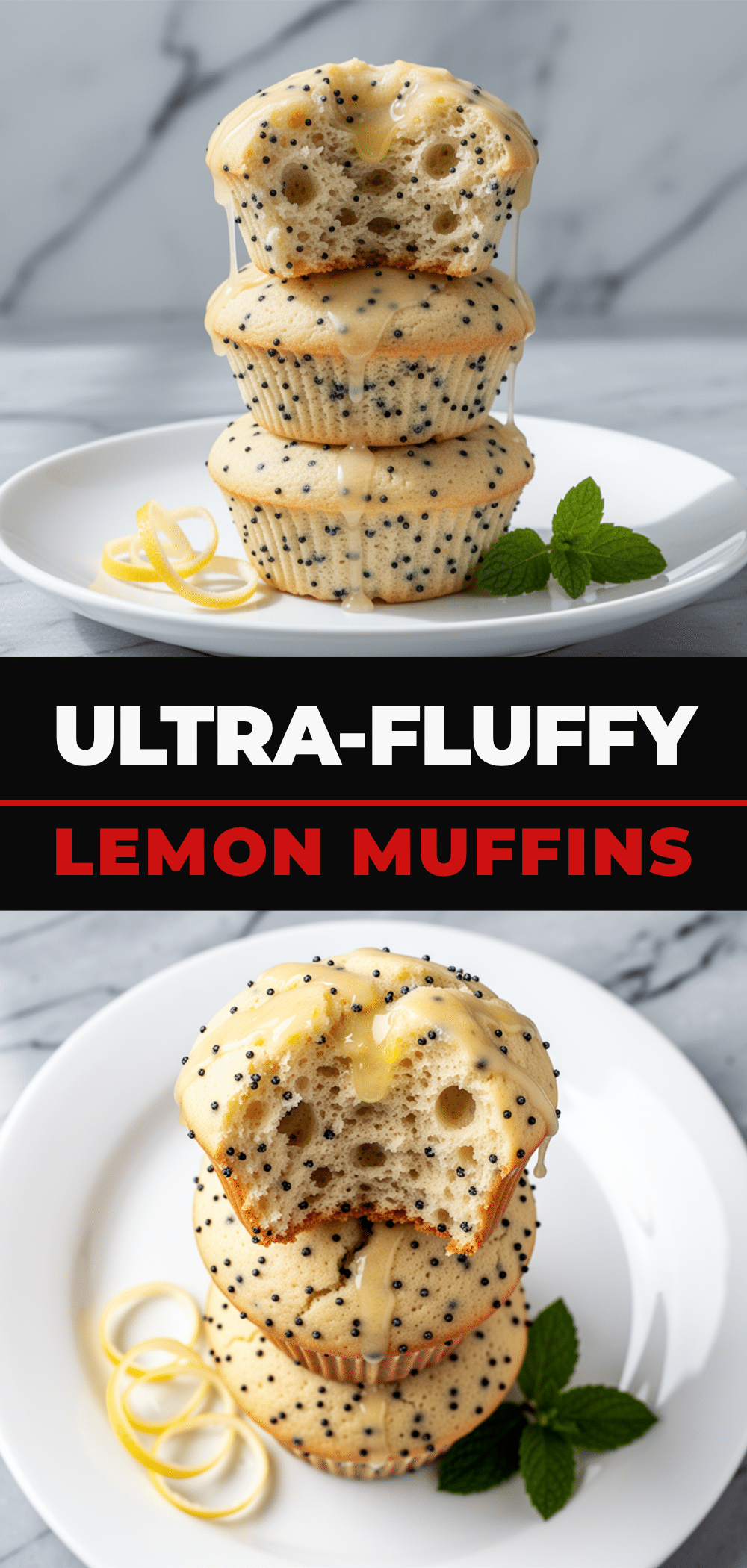

Gluten-Free Coconut Flour Lemon Poppy Seed Muffins
- Total Time: 40 minutes
- Yield: 12 servings 1x
Description
These gluten-free coconut flour lemon poppy seed muffins are moist, tender, and bright with citrus flavor. They avoid the common dryness of GF baking by balancing coconut flour with eggs, yogurt, and almond flour for a perfect texture.
Ingredients
- 1 cup (100g) unsweetened finely ground coconut flour
- ½ cup (50g) almond flour
- 2 tablespoons poppy seeds
- ¾ cup (150g) granulated sugar
- 2 teaspoons baking powder
- ½ teaspoon salt
- 4 large eggs
- ¼ cup (55g) melted butter or coconut oil
- ½ cup (120g) plain full-fat Greek yogurt
- 2 tablespoons freshly squeezed lemon juice
- 1 teaspoon lemon extract (or vanilla extract)
- Zest of 1 lemon (optional)
- For Glaze: ¼ cup powdered sugar mixed with 1-2 teaspoons lemon juice
Instructions
- Preheat oven to 350°F (175°C). Line a standard 12-cup muffin tin with paper liners.
- In a medium bowl, whisk together coconut flour, almond flour, baking powder, salt, and poppy seeds. Sift if lumpy.
- In a large bowl, whisk eggs until light and frothy. Add melted butter (or coconut oil), Greek yogurt, lemon juice, lemon extract, and lemon zest (if using). Whisk until smooth.
- Pour wet ingredients into dry ingredients. Stir gently with a spatula until just combined. Do not overmix. The batter will be very thick.
- Divide batter evenly among the 12 muffin cups, filling each about ¾ full.
- Bake for 18-20 minutes, or until golden brown and a toothpick inserted into the center comes out clean.
- Cool in the pan for 5 minutes, then transfer to a wire rack to cool completely.
- If using glaze, mix powdered sugar and lemon juice, then drizzle over cooled muffins.
Notes
Coconut flour is highly absorbent; do not substitute with other flours 1:1. Ensure baking powder is fresh for proper rising. Do not overmix the batter to avoid dense muffins. These freeze well for up to 3 months.
- Prep Time: 20 minutes
- Cook Time: 20 minutes
- Category: Breakfast
- Cuisine: American
Nutrition
- Serving Size: 1 muffin
- Calories: 180
- Sugar: 8
- Sodium: 150
- Fat: 12
- Saturated Fat: 7
- Carbohydrates: 12
- Fiber: 3
- Protein: 6
Keywords: gluten-free, coconut flour, lemon poppy seed, muffins, healthy breakfast, dairy-free option, nut-free option