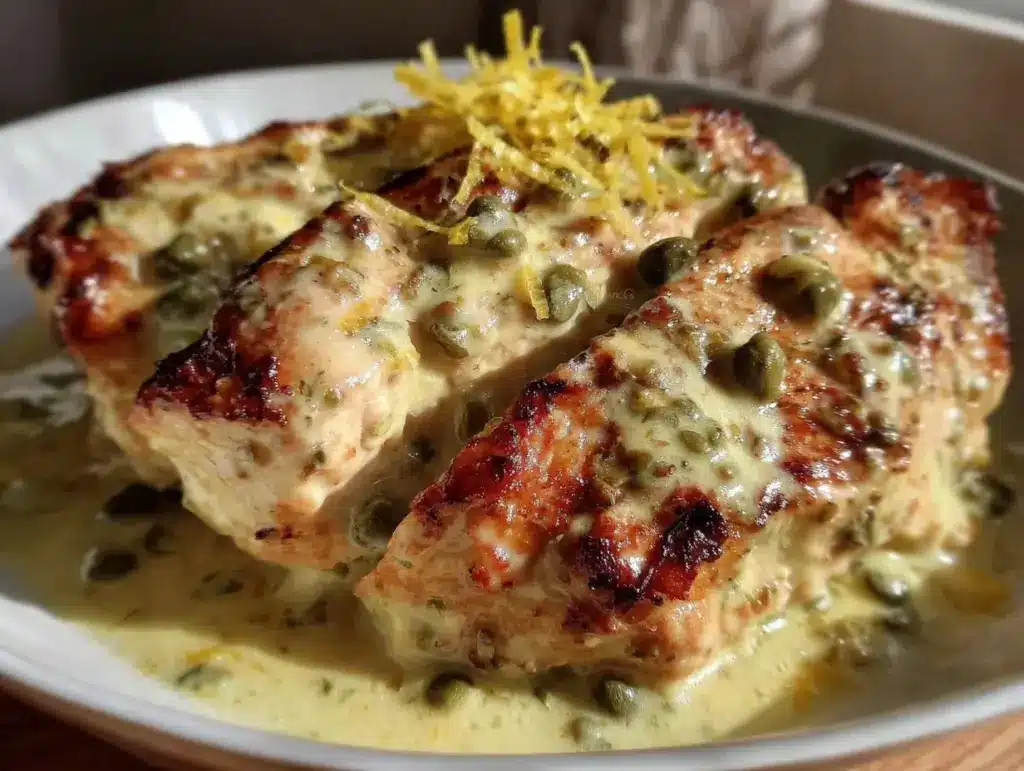
I still remember the smell of my Nonna’s kitchen on a rainy Sunday in November. It wasn’t just the garlic bread or the simmering tomato sauce that filled the house; it was this bright, sharp tang that cut through the heavy, damp air outside. She called it pollo alla limone, though most people just call it Chicken Piccata. The difference? Most restaurants rush it. They burn the capers, they use too much flour, and the sauce turns into a salty, oily mess. Nonna didn’t rush. She made a creamy, golden butter sauce that clung to the chicken like a hug, with briny capers that popped with every bite. It was the kind of meal that made you forget about the weather and just… breathe.
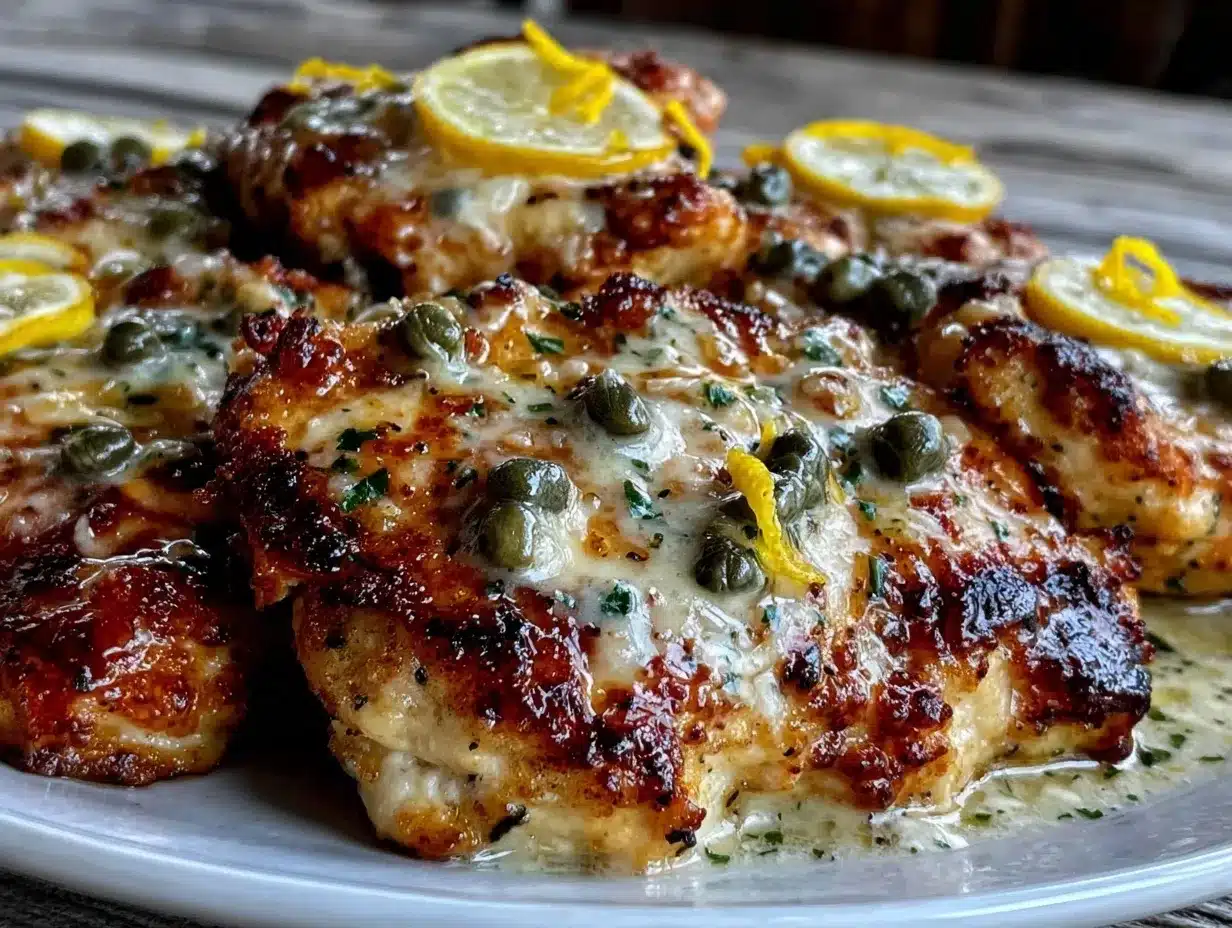
I’ve spent years trying to replicate that exact flavor in my own kitchen. I’ve tried the quick versions, the low-fat versions, and the “healthy” versions that taste like cardboard. But nothing compares to the real deal. This creamy lemon butter chicken piccata with briny capers is my tribute to her. It’s rich, it’s tangy, and it’s surprisingly simple if you know the tricks. It’s not just dinner; it’s a memory on a plate. And once you taste it, I promise you’ll make it on repeat, just like I have for the last decade.
Why You’ll Love This Recipe
There are a few reasons this dish has earned a permanent spot in our weekly rotation, but honestly, it’s mostly because it tastes like comfort but feels like a treat. Here’s why this specific version beats every other piccata out there:
The Sauce is Actually Creamy, Not Greasy — A lot of traditional piccata recipes leave you with a pool of oil at the bottom of the plate. This one uses a bit of heavy cream and a careful emulsification technique to create a sauce that’s velvety, rich, and coats the chicken without feeling heavy. It’s luxurious without being guilty.
The Capers Are the Star, Not an Afterthought — We’re using plenty of them, and we’re frying them gently in the butter first. This wakes up their flavor and removes that harsh, raw bite. You get these little bursts of salty, lemony goodness that cut through the richness. It’s the perfect contrast.
It’s Ready in 30 Minutes — I know, I said Nonna didn’t rush. But I also have a life, and kids who need dinner by 6 PM. This recipe respects both. The chicken cooks fast, the sauce comes together in the same pan, and you’re eating before the dishes pile up. It’s weeknight magic.
It Tastes Better the Next Day — Seriously. The flavors meld together overnight. I’ve been known to make a double batch just so I can have the leftovers for lunch the next day, reheated gently with a splash of water. It’s even better than fresh.
It Feels Fancy, But It’s Budget-Friendly — Chicken thighs are cheaper than breasts, and they stay juicier. With pantry staples like lemon, butter, and capers, you’re feeding four people for less than the cost of takeout. It’s restaurant-quality at home prices.
This is my go-to when I want to impress guests or just treat myself after a long week. It’s simple, honest food that reminds me of where I come from.
Ingredients You’ll Need
Here’s the best part: you probably have most of this already in your pantry. I’m particular about three ingredients here, and I’ll tell you exactly why. This isn’t just a list; it’s your roadmap to Nonna’s kitchen.
For the Chicken
Chicken thighs, boneless and skinless (1.5 lbs / 680g) — I use thighs because they stay juicy. Breasts can dry out easily, and piccata needs to be tender. If you must use breasts, pound them thin and watch the heat closely. Pat them dry with paper towels. This is crucial for getting a good sear.
All-purpose flour (½ cup / 60g) — Just enough to dust the chicken. We’re not making a heavy breading; we’re just creating a light crust that helps thicken the sauce. Use a shallow dish and dip each piece lightly.
Kosher salt and black pepper — Season the flour, not just the chicken. This ensures every bite is seasoned. Don’t skimp on the pepper; it adds warmth.
Extra virgin olive oil (2 tablespoons) — For searing. I use a mix of olive oil and butter for the sauce later to get that rich flavor without burning the butter too early.
For the Sauce
Unsalted butter (4 tablespoons / 56g) — Use good quality butter here. It’s half the flavor of the sauce. I prefer European-style butter because it’s richer, but any good unsalted butter works.
Briny capers (3 tablespoons, rinsed and drained) — Do not use the dry, shriveled kind. Look for capers in brine. They’re plumper, juicier, and less salty. Rinsing them removes the excess brine so they don’t overpower the dish. I buy them in a jar and keep them stocked at all times.
Chicken broth (1 cup / 240ml) — Low-sodium is best so you can control the saltiness. Homemade is ideal, but a good quality carton works fine. Vegetable broth works too if you’re keeping it vegetarian-friendly for the sauce.
Fresh lemon juice (¼ cup / 60ml) — About 2 large lemons. Bottled lemon juice tastes artificial and flat. You need the bright, zesty kick of fresh-squeezed. Squeeze it yourself, even if it’s a tiny bit of work.
Lemon zest (1 teaspoon) — Only the yellow part! The white pith is bitter. Use a microplane or a fine grater. This adds aroma that the juice alone can’t achieve.
Heavy cream (½ cup / 120ml) — This is what makes it “creamy” piccata. It softens the acidity of the lemon and adds body. Don’t substitute with milk; it won’t give you that rich texture. If you’re feeling indulgent, add a tablespoon of cold butter at the very end to finish the sauce.
Fresh parsley, chopped (2 tablespoons) — For color and freshness. It cuts through the richness. Flat-leaf parsley is best; curly is fine if that’s all you have.
For Serving
Mashed potatoes or crusty bread — You need something to soak up that incredible sauce. I usually serve this over creamy mashed potatoes or with a slice of warm, buttery garlic parmesan soft breadsticks for dipping.
Equipment Needed
You don’t need fancy equipment for this. Here’s what I actually use:
Large skillet (12-inch) — I prefer stainless steel or cast iron because they hold heat well and give the chicken a better sear. Non-stick works if you’re careful, but you won’t get those brown bits (fond) that add flavor to the sauce.
Tongs — For flipping the chicken without tearing the light flour coating. A fork will poke holes and make the coating slide off.
Microplane or fine grater — For the lemon zest. A regular grater works, but a microplane gives you finer zest that melts into the sauce better.
Measuring cups and spoons — Precision matters with the liquid ratio. Too much lemon and it’s sour; too little and it’s bland.
Paper towels — To pat the chicken dry. Wet chicken steams instead of searing. I know it’s tedious, but it’s worth it.
How to Make It: Step-by-Step
Alright, let’s make this! I’m walking you through exactly how I do it, including the little tricks I’ve picked up from Nonna.
Step 1: Prep the Chicken (5 minutes)
Pat the chicken thighs completely dry with paper towels. This is non-negotiable. If they’re wet, they’ll steam. Season them with salt and pepper. Place the flour in a shallow dish. Dredge each piece of chicken in the flour, shaking off any excess. You want a light dusting, not a thick coat. It should look almost white, not like a breaded cutlet.
Step 2: Sear the Chicken (8-10 minutes)
Heat the olive oil in your large skillet over medium-high heat. Once the oil shimmers, add the chicken pieces in a single layer. Don’t crowd the pan; do it in two batches if needed. Cook for 4-5 minutes per side until golden brown and cooked through (internal temp of 165°F / 74°C). Remove the chicken to a plate and set aside. Leave the brown bits (fond) in the pan—they’re flavor gold.
Step 3: Bloom the Capers (2 minutes)
Reduce the heat to medium. Add the butter to the same skillet. Once it foams, add the rinsed capers. Sauté them for 1-2 minutes until they look slightly plump and fragrant. This step wakes up the capers and takes away their raw edge. Watch closely; capers can burn quickly.
Step 4: Build the Sauce (5 minutes)
Pour in the chicken broth and lemon juice. Use a wooden spoon to scrape up all those brown bits from the bottom of the pan. Let it simmer for 2-3 minutes until it reduces slightly. Stir in the lemon zest. The sauce should smell bright and amazing.
Step 5: Cream and Finish (3 minutes)
Reduce the heat to low. Slowly pour in the heavy cream, stirring constantly. Let it simmer gently for 2 minutes until it thickens enough to coat the back of a spoon. Taste the sauce. Does it need more salt? More lemon? Adjust now. Add the cooked chicken back to the pan, spooning the sauce over the top. Let it warm through for 1 minute. Stir in the fresh parsley.
Step 6: Serve
Serve immediately over mashed potatoes, pasta, or with crusty bread. Garnish with extra parsley and a lemon wedge. The sauce should be glossy, creamy, and vibrant yellow.
Expert Tips & Tricks
Here’s everything I’ve learned from making this dozens of times. These tips will save you from my mistakes.
Don’t Skip the Drying
I can’t stress this enough. Wet chicken = no sear = pale, steamed meat. Pat it dry, then pat it dry again. It takes an extra minute but makes all the difference.
Low Heat for the Cream
When you add the cream, keep the heat low. High heat can cause the cream to split or curdle. Gentle simmering keeps it smooth and creamy.
Balance the Acid
Lemon juice varies in acidity. Taste your sauce before adding the chicken back in. If it’s too sharp, a pinch of sugar can balance it. If it’s too flat, add more lemon. Trust your tongue.
Rinse the Capers
Capers in brine are very salty. Rinsing them under cold water removes the excess salt so your sauce doesn’t turn into a salt mine. Drain them well so they don’t water down the sauce.
Use a Heavy Pan
A thin pan will hot spots, leading to burnt butter. A heavy-bottomed skillet distributes heat evenly, giving you a consistent sear and a smooth sauce.
Variations & Substitutions
Once you’ve nailed the basic version, here’s how you can mix it up. I’ve tried all of these.
Chicken Breast Version
You can use boneless, skinless chicken breasts, but pound them to an even ½-inch thickness. They cook faster, so check them at 3 minutes per side. They’re leaner, so the creamy sauce is even more important to keep them moist.
White Wine Piccata
Swap half the chicken broth for dry white wine (like Pinot Grigio or Sauvignon Blanc). Add it with the broth and let it reduce completely before adding the cream. This adds a more complex, restaurant-style depth.
Lighter Version
Use half-and-half instead of heavy cream, and reduce the butter to 2 tablespoons. It’s still good, just less rich. I make this when I’m trying to be mindful of calories, but I usually just stick to the full recipe because life’s too short for mediocre sauce.
Vegan Adaptation
This is tricky because piccata is dairy-heavy, but you can use vegan butter and coconut cream. The flavor will be different, but it can still be delicious. I’d suggest adding extra lemon and capers to compensate for the lack of savory dairy notes.
Gluten-Free
Use gluten-free flour for dredging, or skip the flour entirely and just sear the chicken. The sauce will be thinner, so you might need to reduce it a bit longer or add a cornstarch slurry.
Serving & Storage
How to Serve:
I usually serve this straight from the skillet at the dinner table—it looks rustic and stays warm. But here are other ways I’ve enjoyed it:
- Mashed Potatoes: The classic pairing. Creamy potatoes soak up the lemon butter sauce perfectly.
- Pasta: Toss with linguine or fettuccine. Add a little pasta water to the sauce to help it cling to the noodles.
- Roasted Vegetables: Serve alongside roasted asparagus or green beans for a lighter meal.
- Crusty Bread: Essential for mopping up every last drop of sauce.
Storage Instructions:
Refrigerator: Store in an airtight container for up to 3 days. The sauce will thicken in the fridge—totally normal.
Reheating: Best method: Add to a skillet with a splash of milk or chicken broth over low heat. Stir gently until heated through. The added liquid brings back the creamy texture. Microwave method: Heat in 30-second intervals, stirring between. Add a splash of liquid if it’s too thick.
Freezing: Honestly, this doesn’t freeze well because of the cream. The sauce can separate when thawed. Make it fresh or store in the fridge for up to 3 days. If you must freeze, freeze the chicken and sauce separately, and reheat gently with fresh cream.
Nutrition Information
I’m not a nutritionist, but here’s the breakdown if you’re tracking. This is comfort food, so it’s not a diet recipe, but it’s balanced enough for a special weeknight dinner.
Per Serving (based on 4 servings):
- Calories: 520
- Protein: 35g
- Carbs: 12g
- Fiber: 1g
- Sugar: 2g
- Fat: 38g
- Saturated Fat: 18g
- Cholesterol: 160mg
- Sodium: 680mg
What’s Good:
- High in protein from the chicken
- Low in carbs if served without potatoes or pasta
- Contains healthy fats from olive oil and butter (in moderation)
What to Know:
- Higher in calories and saturated fat due to cream and butter
- Contains dairy and gluten
- Use low-sodium broth and rinse capers well to reduce sodium
My Take:
Look, this is rich, creamy, and delicious. It’s not a salad. But it’s made with real ingredients, and a reasonable portion goes a long way. When I want to make it lighter, I serve it over cauliflower mash or zucchini noodles. But usually? I just eat a reasonable portion and enjoy it. Life is short. Eat the chicken.
Final Thoughts
So that’s my creamy lemon butter chicken piccata with briny capers! I’ve probably talked your ear off at this point, but when you make a recipe this often, you have a lot to say about it. This has saved weeknight dinners more times than I can count. It’s my answer to “what’s for dinner” when I’m tired, don’t want takeout, and still want something that tastes really good. My kids are happy, my husband’s happy, and I’m happy because I’m not stressed about cooking.
Make it yours! Try different sides, swap in your favorite vegetables, adjust the lemon to your taste. The best recipes are the ones you adapt to your family’s tastes. If you make this, drop a comment and let me know what you think! I love hearing how recipes turn out in your kitchen. And if something doesn’t work, tell me that too—I’m here to help troubleshoot.
Happy cooking! And I hope your kitchen smells half as good as mine does right now.
Frequently Asked Questions
Can I use chicken breasts instead of thighs?
Yes, but they cook faster and can dry out. Pound them to an even thickness and watch the heat closely. I prefer thighs because they’re more forgiving and stay juicier, but breasts work if you’re careful.
Why did my sauce break or separate?
Usually, this happens if the heat was too high when you added the cream, or if you boiled it too vigorously. Keep the heat low and gentle when adding the cream. If it does separate, you can try whisking in a splash of cold water or cream to bring it back together, but prevention is better.
Can I make this ahead for a dinner party?
Sort of. You can prep the chicken and measure the sauce ingredients ahead of time. Cook the chicken and make the sauce just before serving. The sauce is best fresh, but it holds up okay for a short while. I wouldn’t recommend making the whole dish hours in advance.
What kind of capers should I use?
Look for capers in brine, not dry capers. Brine capers are plumper, juicier, and less salty. Capers in salt are also good but need more rinsing. I buy them in a jar and keep them stocked at all times.
Can I use bottled lemon juice?
You can, but fresh lemon juice tastes so much better. Bottled juice often has a metallic or artificial flavor that doesn’t pair well with the delicate butter sauce. I always squeeze my own lemons for this recipe.
How do I reheat leftovers without it getting dry?
Add a splash of milk, cream, or chicken broth to a skillet, add your leftover chicken and sauce, and heat gently over low heat, stirring frequently. The extra liquid brings back the creamy texture. Microwave sort of works but tends to dry it out.
Can I double this recipe?
Absolutely! Double everything and use your biggest skillet. The cooking times stay the same. I do this when I’m meal-prepping or feeding a crowd. Just make sure your skillet is big enough for the chicken in a single layer.
Pin This Recipe!
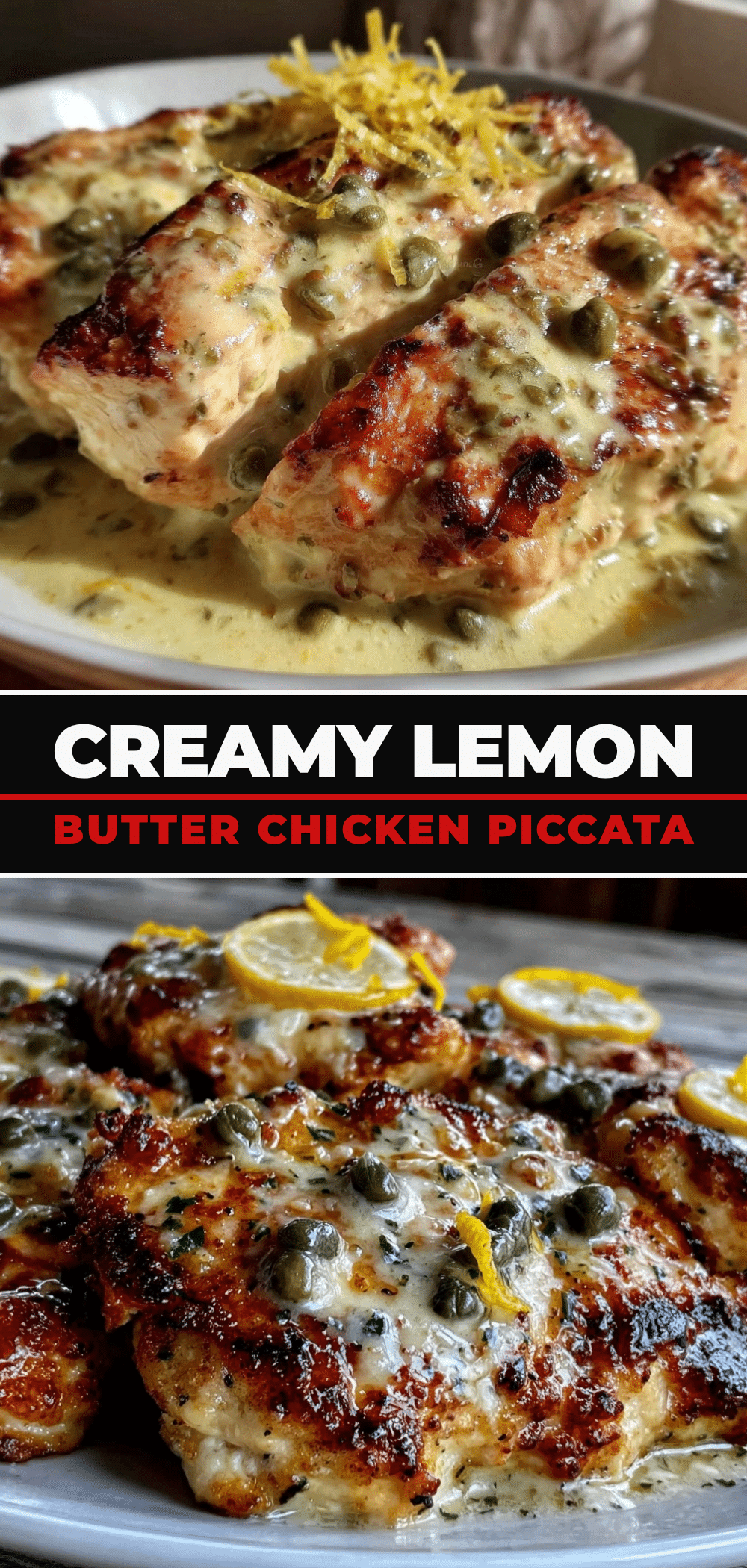

Creamy Lemon Butter Chicken Piccata: The Real Way Grandma Made
- Total Time: 30 minutes
- Yield: 4 servings 1x
Description
A rich, creamy, and tangy chicken piccata featuring juicy thighs, briny capers, and a velvety lemon butter sauce, inspired by traditional Italian family recipes.
Ingredients
- 1.5 lbs boneless, skinless chicken thighs
- ½ cup all-purpose flour
- Kosher salt and black pepper
- 2 tablespoons extra virgin olive oil
- 4 tablespoons unsalted butter
- 3 tablespoons briny capers, rinsed and drained
- 1 cup low-sodium chicken broth
- ¼ cup fresh lemon juice
- 1 teaspoon lemon zest
- ½ cup heavy cream
- 2 tablespoons fresh parsley, chopped
Instructions
- Pat chicken thighs completely dry with paper towels and season with salt and pepper.
- Dredge each piece of chicken in flour, shaking off any excess to create a light dusting.
- Heat olive oil in a large skillet over medium-high heat. Sear chicken in a single layer for 4-5 minutes per side until golden brown and cooked through (165°F). Remove chicken to a plate.
- Reduce heat to medium. Add butter to the same skillet. Once foaming, add rinsed capers and sauté for 1-2 minutes until fragrant.
- Pour in chicken broth and lemon juice, scraping up brown bits from the bottom of the pan. Simmer for 2-3 minutes to reduce slightly.
- Stir in lemon zest.
- Reduce heat to low. Slowly pour in heavy cream, stirring constantly. Simmer gently for 2 minutes until the sauce thickens enough to coat the back of a spoon.
- Taste and adjust seasoning if needed. Return chicken to the pan, spooning sauce over the top. Warm through for 1 minute.
- Stir in fresh parsley and serve immediately over mashed potatoes, pasta, or with crusty bread.
Notes
Patting the chicken dry is crucial for a good sear. Use fresh lemon juice for the best flavor. Keep heat low when adding cream to prevent curdling. Capers should be rinsed to remove excess salt. This dish does not freeze well due to the cream; store in the refrigerator for up to 3 days.
- Prep Time: 5 minutes
- Cook Time: 25 minutes
- Category: Main Course
- Cuisine: Italian
Nutrition
- Serving Size: 1 piece of chicken w
- Calories: 520
- Sugar: 2
- Sodium: 680
- Fat: 38
- Saturated Fat: 18
- Carbohydrates: 12
- Fiber: 1
- Protein: 35
Keywords: chicken piccata, creamy lemon butter chicken, italian chicken recipe, easy weeknight dinner, chicken thighs, lemon caper sauce