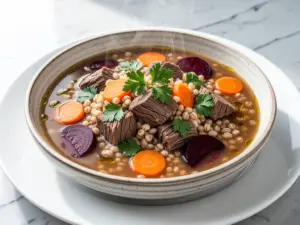
There is a specific kind of panic that sets in when you realize it’s only Thursday and you still haven’t figured out what you’re serving for Sunday brunch. It’s that sweet spot between “I’ll wing it” and “I’m ordering takeout,” except takeout for brunch feels like admitting defeat. Last year, I fell into that exact trap. I had planned to do something fancy with eggs benedict, but then my oven broke, my partner developed a sudden craving for coffee cake, and I was left staring into a pantry full of dried cranberries and a bag of oranges from the farmer’s market.
I didn’t have eggs. I didn’t have hollandaise. But I did have flour, butter, and a desperate need to save the weekend. So I threw together what I thought would be a mediocre quick bread. I folded in some dried cranberries because I had them, zested two oranges for that bright pop I was missing, and drizzled it with a vanilla bean glaze I whipped up while the batter was in the oven.
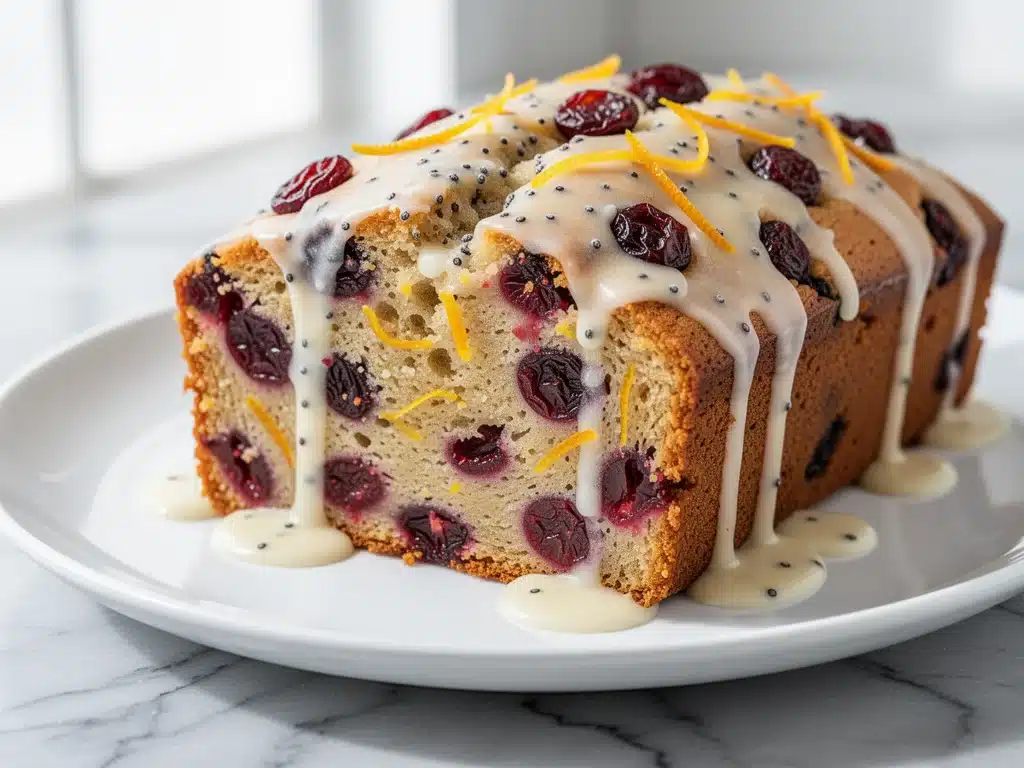
Thirty minutes later, the smell of baking citrus and vanilla filled the house. When I pulled the Fall Cranberry Orange Loaf Cake out of the oven, it looked rustic and golden, just how I like it. I cut a slice for myself, still warm, with the glaze slightly tacky on my fingers. It was tart, sweet, and incredibly moist. My partner took one bite and said, “We are making this every holiday brunch from now on.”
That was three years ago. Since then, I’ve made this loaf cake at least once a month. It’s become my secret weapon for hosting. It’s elegant enough for guests but simple enough that I can make it while drinking my morning coffee. Unlike the loaded veggie breakfast quiche which requires a bit more attention, this cake is set-it-and-forget-it. It’s the kind of recipe that makes you look like a hostess with the mostess without actually trying hard. If you’re looking for a way to bring warmth and comfort to your holiday table, this is it.
Why You’ll Love This Recipe
I know, I know. Another loaf cake? But hear me out. This isn’t your average, dry, grocery-store loaf. This is the kind of cake that makes people ask for the recipe before they’ve even finished their second cup of coffee. Here’s why this Fall Cranberry Orange Loaf Cake has earned a permanent spot in my rotation:
It’s the Perfect Balance of Tart and Sweet — Dried cranberries are naturally tart, and orange zest is bright and acidic. The vanilla bean glaze adds just enough sweetness to tie it all together without making it cloying. It’s not like the cozy fall apple cider doughnut loaf which leans heavily into spice and sugar. This one is sophisticated and balanced.
Zero Yeast, Zero Kneading — If the thought of waiting for dough to rise makes you want to cry, this recipe is for you. It’s a quick bread, meaning it uses baking powder and baking soda. You mix it up in one bowl, dump it in a pan, and wait. No yeast management, no proofing, no stress. It’s easier than making honey cornbread muffins if you’ve ever had to deal with clumpy yeast packets.
It Keeps for Days — This is huge for holiday hosting. You can make this on Friday, wrap it up, and serve it on Sunday. It actually gets better as it sits because the flavors have time to meld. The glaze hardens into a nice shell, and the crumb stays moist. I’ve had leftovers for four days, and they still taste fresh.
It Pairs Perfectly with Coffee or Tea — Brunch isn’t brunch without a good beverage. The citrus notes in this cake cut through the richness of a dark roast coffee or a spiced chai. It’s also a great alternative to heavier pastries. While I love a good soft buttery cinnamon sugar pretzel bite on occasion, sometimes you want something that feels a bit lighter and more refined.
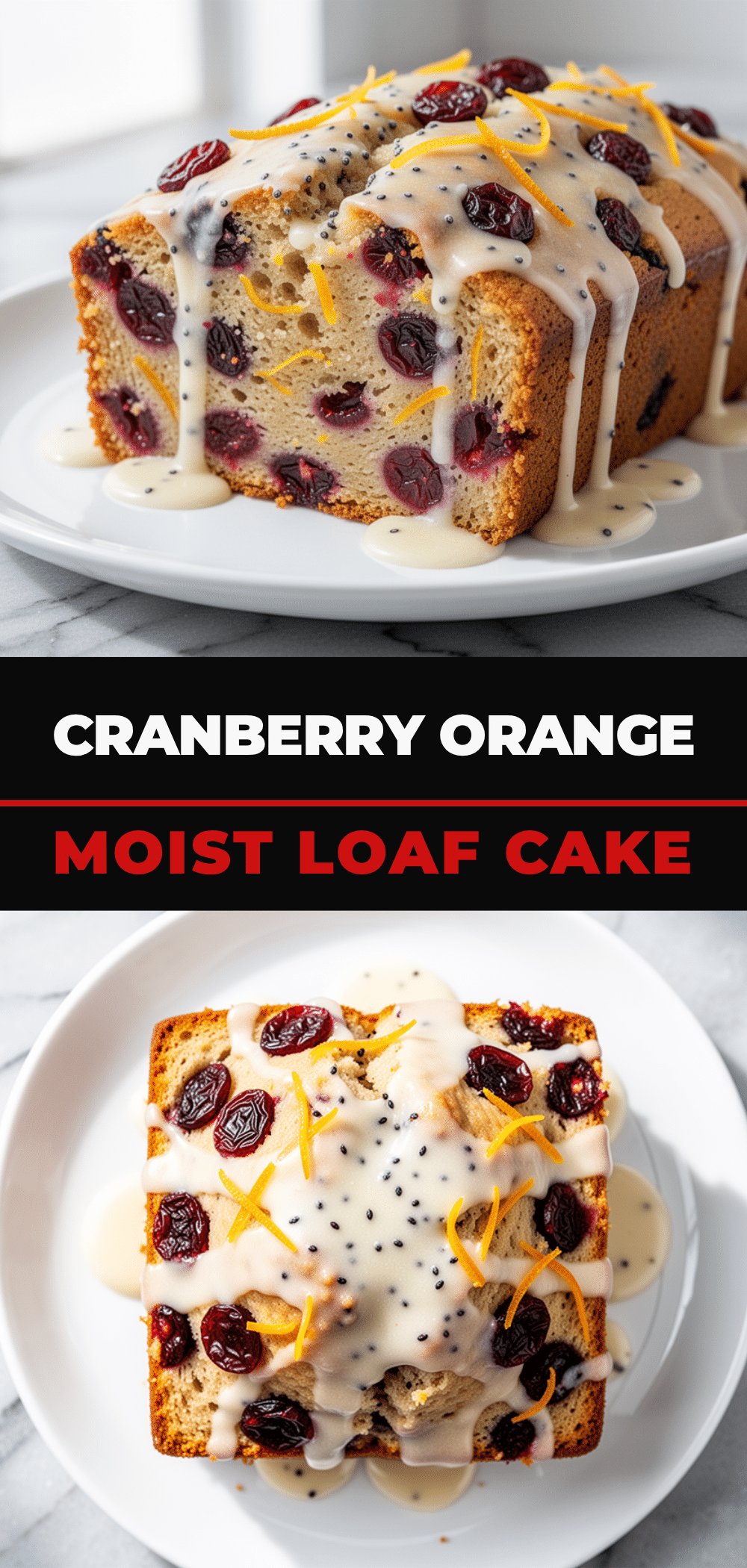
It’s Visually Stunning — The golden-brown crust with the white vanilla glaze dripping down the sides? It looks like something from a high-end bakery. But it’s just flour, sugar, and eggs. It’s the easiest way to elevate your brunch spread.
This recipe has saved me more times than I can count. It’s my answer to “what should I bring?” when I’m visiting family or hosting friends. It’s reliable, delicious, and always a crowd-pleaser.
Ingredients You’ll Need
One of the best things about this Fall Cranberry Orange Loaf Cake is that you probably have most of these ingredients already. It’s not a recipe that requires a special trip to a specialty store. Here’s what you need:
For the Cake Base
All-purpose flour (2 ½ cups / 315g) — The foundation. Don’t use cake flour here; you want a sturdy crumb. Spoon it into your measuring cup and level it off. Don’t scoop directly from the bag, or you’ll pack it in too tight and end up with a dense brick.
Baking powder (2 teaspoons) — This is what makes it rise. Make sure yours isn’t expired. I keep a fresh tin because old baking powder is the #1 reason quick breads fail. If your bread doesn’t rise, it’s probably the baking powder, not the recipe.
Baking soda (½ teaspoon) — Works with the acidity of the buttermilk and cranberries to give that nice golden color.
Salt (1 teaspoon) — Essential for flavor. Don’t skip it. It makes the orange taste more like orange.
Unsalted butter (½ cup / 115g, softened) — Softened means you can press your finger into it and leave an indent. Not melted! Melted butter changes the texture. I take my butter out of the fridge 30 minutes before I start.
Granulated sugar (1 cup / 200g) — Standard white sugar. It provides structure and sweetness.
Large eggs (2, room temperature) — Room temp eggs emulsify better into the batter. Cold eggs can cause the butter to seize up. I usually pop them in a bowl of warm water for 5 minutes if I forget.
Vanilla extract (1 teaspoon) — Good quality vanilla makes a difference. I use pure vanilla, not imitation.
Buttermilk (1 cup / 240ml) — This is the secret weapon. It tenderizes the gluten and adds tang. If you don’t have buttermilk, make your own: add 1 tablespoon of lemon juice or white vinegar to a measuring cup, then fill the rest with milk. Let it sit for 5 minutes until it curdles. It works perfectly.
Dried cranberries (1 cup / 120g) — The star of the show. Look for the sweetened dried cranberries (Craisins style) unless you prefer them tart. If you’re using unsweetened, you might want to add an extra 2 tablespoons of sugar to the batter.
Orange zest (2 medium oranges) — You only need the orange part, not the white pith. The pith is bitter. I use a microplane for fine zest. It distributes the flavor better than big chunks.
For the Vanilla Bean Glaze
Powdered sugar (1 ½ cups / 180g) — Also known as confectioners’ sugar. Sift it if it’s lumpy. Lumpy glaze is not a good look.
Heavy cream or milk (3-4 tablespoons) — Start with 3 tablespoons. You can always add more. You want a thick but drizzle-able consistency.
Pasteurized egg white (1 large, or 2 tablespoons liquid egg white from a carton) — This helps the glaze set hard and shiny. If you’re worried about raw eggs, use the liquid egg whites from the carton; they’re pasteurized and safe.
Vanilla bean paste (1 teaspoon) — Or use 1 teaspoon of high-quality vanilla extract. Vanilla bean paste has those little black specks which look fancy. I love the look of it. If you can’t find paste, extract works fine.
Salt (a pinch) — Just a tiny pinch to balance the sweetness.
Pro Tip: I always buy my dried cranberries in bulk. They’re cheap and they keep forever in the pantry. I also keep a bag of oranges in the fridge so they stay juicy longer.
Equipment Needed
You don’t need fancy gadgets for this. Here’s what I actually use:
9×5 inch loaf pan — Standard size. I use a metal pan. Glass pans can bake slower, so if you use glass, check it 5 minutes early. I line my pan with parchment paper for easy removal. It’s a game-changer. Just leave an overhang on the sides so you can lift the cake out.
Mixing bowls — One large bowl for the wet ingredients, one medium for the dry. I use stainless steel.
Whisk — For the dry ingredients. A fork works too, but a whisk is faster.
Electric mixer or wooden spoon — I use a hand mixer for the butter and sugar because it creams them better. But a wooden spoon works if you’re arm-strong. Don’t overmix the batter once you add the flour.
Microplane or zester — For the orange zest. A regular grater works, but you’ll get bigger chunks. Microplane is best.
Wire cooling rack — Essential. Never put a hot loaf on a plate; it’ll get soggy on the bottom. Let it cool on the rack.
Pastry brush — Optional, but nice for brushing off excess sugar if you sprinkle any.
How to Make It: Step-by-Step
Alright, let’s make this! I’m walking you through exactly how I do it, including the little tricks I’ve picked up over the years.
Step 1: Prep Your Pan and Oven (5 minutes)
Preheat your oven to 350°F (175°C). Grease your 9×5 loaf pan with butter or cooking spray. Then, line it with parchment paper. Leave a little overhang on the long sides—this is your handle for lifting the cake out later. Trust me, you’ll thank me.
Step 2: Whisk the Dry Ingredients (2 minutes)
In a medium bowl, whisk together the flour, baking powder, baking soda, and salt. Make sure there are no lumps of baking powder. This ensures even rising. Set this aside.
Step 3: Cream the Butter and Sugar (3-4 minutes)
In a large bowl, beat the softened butter and granulated sugar together until light and fluffy. This takes about 3 minutes with a mixer. If you’re doing it by hand, it’ll take a bit longer. The mixture should look pale and creamy. This step incorporates air, which helps the cake rise.
Step 4: Add Eggs and Vanilla (2 minutes)
Add the eggs one at a time, beating well after each addition. Add the vanilla extract. Scrape down the sides of the bowl with a spatula to make sure everything is incorporated. The mixture might look a little curdled at this point—that’s okay.
Step 5: Combine Wet and Dry (3 minutes)
Reduce mixer speed to low. Add the dry ingredients in three batches, alternating with the buttermilk in two batches. Start and end with the dry ingredients. Mix until *just* combined. Do not overmix! If you mix too much, the gluten develops, and your cake will be tough. It’s okay if there are a few small lumps.
Step 6: Fold in Cranberries and Zest (2 minutes)
Using a spatula, gently fold in the dried cranberries and orange zest. Toss the cranberries in a tablespoon of flour first if you want to prevent them from sinking to the bottom. I usually just fold them in gently. The zest should be distributed evenly.
Step 7: Bake (50-55 minutes)
Pour the batter into the prepared loaf pan. Smooth the top with a spatula. Bake for 50-55 minutes. The cake is done when a toothpick inserted into the center comes out clean or with just a few moist crumbs. The top should be golden brown. If it’s browning too fast, tent it with foil after 30 minutes.
Step 8: Cool Completely (1 hour)
This is the hardest part. Let the cake cool in the pan for 10 minutes, then lift it out using the parchment paper and transfer it to a wire rack. Let it cool completely before glazing. If you glaze a warm cake, the glaze will melt and run off. Patience pays off.
Step 9: Make the Glaze and Decorate (5 minutes)
While the cake cools, whisk together the powdered sugar, egg white, vanilla bean paste, salt, and 3 tablespoons of heavy cream. Whisk until smooth. If it’s too thick, add more cream, one teaspoon at a time. If it’s too thin, add more sugar.
Drizzle the glaze over the completely cooled cake. Let it drip down the sides. If you want a thicker glaze, let the first layer set for 10 minutes, then add a second layer.
Expert Tips & Tricks
Here’s everything I’ve learned from making this dozens of times. These tips will save you from my mistakes.
Don’t Overmix the Batter — I can’t stress this enough. Overmixing is the enemy of a tender crumb. Mix until the flour disappears, then stop. The batter will look thick and slightly lumpy. That’s good.
Room Temperature Ingredients — Cold butter doesn’t cream well. Cold eggs don’t emulsify. Take your butter and eggs out of the fridge at least 30 minutes before you start. It makes a huge difference in texture.
Zest Before You Juice — If you’re using fresh oranges for anything else, zest them first. It’s much easier to zest a whole orange than a half-squeezed one. And make sure you’re using unwaxed oranges if possible, though most grocery store oranges are fine.
The Toothpick Test — Don’t rely on the timer. Ovens vary. Start checking at 45 minutes. If the toothpick comes out with wet batter, it needs more time. If it comes out clean, it’s done. If it comes out with dry crumbs, it might be slightly overbaked.
Glaze Consistency — The glaze should be thick enough to coat the back of a spoon but thin enough to drizzle. Think of the consistency of heavy cream. If it’s too thick, it’ll crack when you cut the cake. If it’s too thin, it’ll run off.
Store Properly — Once glazed, store the cake in an airtight container at room temperature for up to 3 days. It stays moist and delicious. If you live in a hot climate, refrigerate it, but let it come to room temperature before serving.
Variations & Substitutions
Once you’ve nailed the basic version, here’s how you can mix it up. I’ve tried all of these.
Blueberry Orange Loaf — Swap the cranberries for fresh or frozen blueberries. Toss the berries in flour first to prevent sinking. It’s a classic combination.
Lemon Cranberry Loaf — Swap the orange zest for lemon zest. It’s brighter and more tart. I love this version with tea.
Pistachio Cranberry — Add ½ cup of chopped pistachios to the batter. It adds a nice crunch and color contrast. The green pistachios against the red cranberries look beautiful.
White Chocolate Cranberry — Fold in ½ cup of white chocolate chips along with the cranberries. It’s sweeter and richer. Great for dessert.
Gluten-Free — Use a 1:1 gluten-free flour blend. The texture might be slightly denser, but it still works. I’ve used Bob’s Red Mill and it’s fine.
Dairy-Free — Use coconut oil instead of butter, and oat milk instead of buttermilk. For the buttermilk, add lemon juice to oat milk. The glaze can be made with coconut cream. It’s different but still tasty.
Vegan — Use flax eggs (2 tablespoons ground flax + 6 tablespoons water) instead of eggs, and coconut oil instead of butter. Use oat milk or almond milk. It works, but it’s not as rich.
Serving & Storage
How to Serve: I usually slice this loaf thick, about ½ inch. It’s hearty enough for a snack or a light breakfast. Serve it with a cup of coffee or tea. It’s also great with a dollop of whipped cream or a scoop of vanilla ice cream for dessert.
Side Dishes: This cake pairs well with savory brunch items. Try it with bacon-wrapped smokies for a sweet and savory contrast. Or serve it alongside a breakfast sausage and egg casserole for a full holiday spread.
Storage: Store in an airtight container at room temperature for up to 3 days. It keeps well because of the oil from the butter and the moisture from the buttermilk. Do not refrigerate unless you’re in a hot climate, as it can dry out the cake.
Freezing: You can freeze the unglazed loaf. Wrap it tightly in plastic wrap and then in foil. It will keep for up to 3 months. Thaw it overnight at room temperature, then glaze it before serving. The glaze doesn’t freeze well; it can get sticky and messy.
Nutrition Information
I’m not a nutritionist, but here’s the breakdown if you’re tracking. This is a treat, so enjoy it in moderation.
Per Serving (based on 10 slices):
- Calories: 280
- Protein: 4g
- Carbs: 42g
- Fiber: 1g
- Sugar: 26g
- Fat: 10g
- Saturated Fat: 6g
- Cholesterol: 35mg
- Sodium: 220mg
What’s Good: It’s a good source of energy from the carbs. The cranberries add some antioxidants. It’s easier to control portions than a big plate of pastries.
What to Know: It’s high in sugar and saturated fat due to the butter, sugar, and glaze. If you’re watching your intake, stick to one slice and pair it with black coffee or tea.
My Take: Look, this is a holiday treat. It’s not a health food. But it’s homemade, so you know what’s in it. I prefer making this over buying something from a bakery because I can control the sugar and use real vanilla. When I make it, I enjoy it mindfully. It’s worth it.
Final Thoughts
So that’s my Fall Cranberry Orange Loaf Cake! I’ve probably talked your ear off at this point, but when you make a recipe this often, you have a lot to say about it. This cake has saved me more times than I can count. It’s my answer to “what should I bring?” when I’m visiting family or hosting friends. It’s elegant, delicious, and always a crowd-pleaser.
Make it yours! Try different add-ins, swap in your favorite citrus, or adjust the glaze thickness. The best recipes are the ones you adapt to your family’s tastes. And remember, the kitchen should be fun, not stressful. This recipe is designed to be easy and forgiving.
If you make this, drop a comment and let me know what you think! I love hearing how recipes turn out in your kitchen. And if something doesn’t work, tell me that too—I’m here to help troubleshoot.
Happy baking! And I hope your kitchen smells half as good as mine does right now.
Frequently Asked Questions
Can I use fresh cranberries instead of dried?
You can, but you’ll need to adjust the sugar. Fresh cranberries are very tart. I’d recommend adding an extra ½ cup of sugar to the batter. Also, fresh cranberries can burst and stain the cake pink. Dried cranberries are sweeter and hold their shape better. I prefer dried for this recipe.
Why did my loaf sink in the middle?
This usually happens if the oven temperature is too high, causing the cake to rise too fast and then collapse. Or, if you opened the oven door too early. Don’t open the oven until at least 40 minutes have passed. Also, make sure your baking powder is fresh.
Can I make this ahead for a holiday party?
Absolutely! This is one of its best features. Make the cake 2-3 days ahead. Store it in an airtight container. Glaze it the morning of the party. It actually tastes better after a day because the flavors meld. I often make it on Friday for Sunday brunch.
How do I store leftovers?
Keep it in an airtight container at room temperature for up to 3 days. If you live in a hot or humid climate, refrigerate it. Bring it to room temperature before serving for the best texture and flavor.
Can I freeze this cake?
Yes, but freeze it unglazed. Wrap it tightly in plastic wrap and then in foil. It will keep for up to 3 months. Thaw it overnight at room temperature, then glaze it. The glaze doesn’t freeze well.
What if I don’t have buttermilk?
Make your own! Add 1 tablespoon of lemon juice or white vinegar to a liquid measuring cup. Fill the rest with milk (dairy or plant-based). Let it sit for 5-10 minutes until it curdles. It works perfectly as a substitute.
Can I use orange juice instead of zest?
No, I wouldn’t recommend it. The zest provides the essential oil flavor that makes the cake taste like orange. Juice adds liquid but not the same aroma. You need the zest for that bright, fragrant taste. If you really want more orange flavor, you can add a teaspoon of orange extract to the glaze.
Pin This Recipe!
Fall Cranberry Orange Loaf Cake
- Total Time: 1 hour 15 minutes
- Yield: 10 servings 1x
Description
A moist, tart, and sweet quick bread featuring dried cranberries and bright orange zest, finished with a vanilla bean glaze. This easy, yeast-free loaf is perfect for holiday brunches and keeps well for days.
Ingredients
- 2 ½ cups (315g) all-purpose flour
- 2 teaspoons baking powder
- ½ teaspoon baking soda
- 1 teaspoon salt
- ½ cup (115g) unsalted butter, softened
- 1 cup (200g) granulated sugar
- 2 large eggs, room temperature
- 1 teaspoon vanilla extract
- 1 cup (240ml) buttermilk
- 1 cup (120g) dried cranberries
- Zest of 2 medium oranges
- 1 ½ cups (180g) powdered sugar
- 3–4 tablespoons heavy cream or milk
- 1 large pasteurized egg white
- 1 teaspoon vanilla bean paste
- Pinch of salt
Instructions
- Preheat oven to 350°F (175°C). Grease a 9×5 inch loaf pan and line with parchment paper, leaving an overhang on the sides.
- In a medium bowl, whisk together the flour, baking powder, baking soda, and salt. Set aside.
- In a large bowl, beat the softened butter and granulated sugar together until light and fluffy, about 3-4 minutes.
- Add the eggs one at a time, beating well after each addition, then add the vanilla extract. Scrape down the sides of the bowl.
- Reduce mixer speed to low. Add the dry ingredients in three batches, alternating with the buttermilk in two batches, starting and ending with the dry ingredients. Mix until just combined.
- Gently fold in the dried cranberries and orange zest using a spatula.
- Pour batter into the prepared loaf pan and smooth the top. Bake for 50-55 minutes, or until a toothpick inserted into the center comes out clean.
- Let the cake cool in the pan for 10 minutes, then lift it out using the parchment paper and transfer to a wire rack to cool completely.
- While the cake cools, whisk together powdered sugar, egg white, vanilla bean paste, a pinch of salt, and 3 tablespoons of heavy cream until smooth. Add more cream if needed for drizzling consistency.
- Drizzle the glaze over the completely cooled cake and let it set.
Notes
Ensure ingredients are at room temperature for best texture. Do not overmix the batter to avoid a tough crumb. The cake keeps well at room temperature for up to 3 days. For freezing, freeze the unglazed loaf tightly wrapped for up to 3 months.
- Prep Time: 15 minutes
- Cook Time: 50-55 minutes
- Category: Dessert
- Cuisine: American
Nutrition
- Serving Size: 1 slice (approx. ½ i
- Calories: 280
- Sugar: 26
- Sodium: 220
- Fat: 10
- Saturated Fat: 6
- Carbohydrates: 42
- Fiber: 1
- Protein: 4
Keywords: cranberry orange loaf, holiday brunch, quick bread, easy cake, vanilla glaze, fall baking, gluten-free option