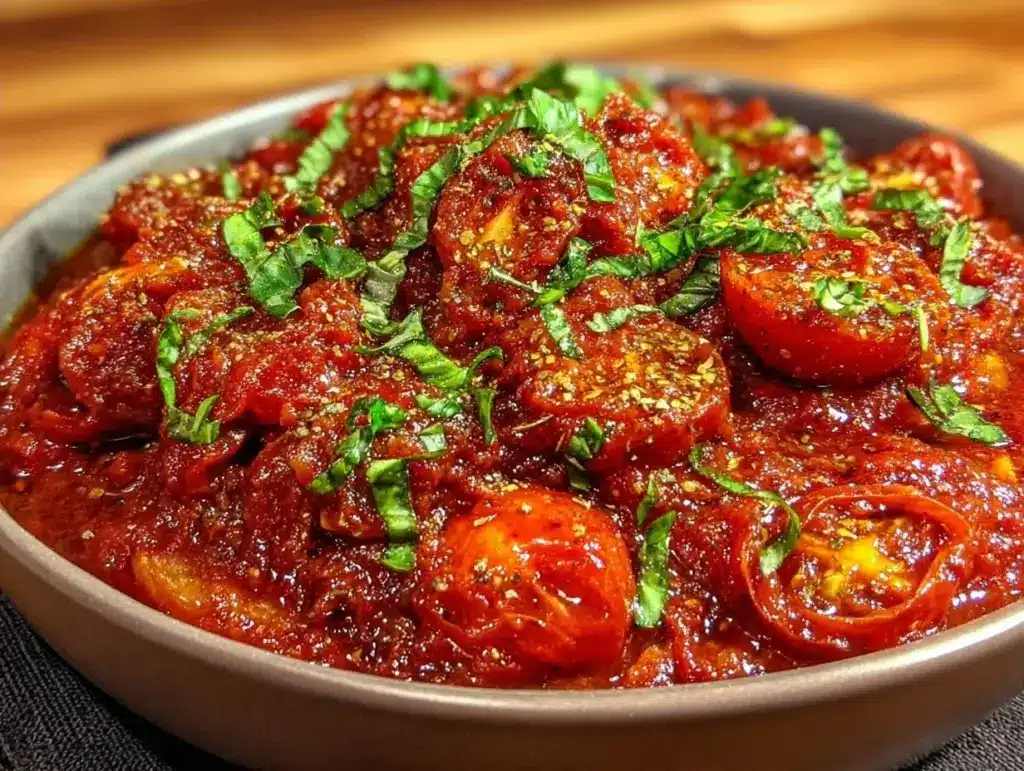
It was a humid July evening, and my dining room felt more like a sauna than a place for entertaining. I had invited six friends over for what was supposed to be a light, fresh summer dinner. I was stressed. I wanted something that felt sophisticated but required zero last-minute panic. So, I did what I always do when I’m overwhelmed: I looked at my pantry and decided to let the oven do the heavy lifting.
I pulled out a sheet pan, loaded it with tomatoes, whole heads of garlic, and a handful of fresh basil leaves, and shoved it into the back of the oven. While that slow-roasted tomato sauce simmered and filled the house with the kind of scent that makes people wander in from the porch, I relaxed. I poured wine. I waited. When I finally pulled it out, the tomatoes had collapsed into a jammy, caramelized mess, and the garlic was sweet and spreadable. I blended it all together with a bit of olive oil, and the result was magical.
That night, my friends didn’t just eat; they stopped talking. They dipped their bread, they tasted the sauce, they looked at each other like, “Did you make this?” It became the centerpiece of the meal, served alongside brown butter garlic dinner rolls that soaked up every drop. That was the moment I realized this slow-roasted tomato sauce wasn’t just a condiment—it was a cheat code for hosting. It’s rich, it’s deeply flavorful, and it looks like you spent hours in the kitchen (even though you were probably just chatting with your guests).
There is something undeniably romantic about slow-roasted tomatoes. They lose their watery sharpness and concentrate into something sweet, tangy, and intensely savory. When you add whole cloves of garlic that soften into buttery sweetness, and finish it with fresh basil that’s just wilted by the heat, you get a sauce that tastes like summer captured in a jar. This isn’t that thin, acidic marinara you boil on the stove for twenty minutes. This is a dip, a spread, a sauce, and a mood all in one. It’s the kind of homemade garlic basil dip that people ask for the recipe for weeks later.
Why You’ll Love This Slow-Roasted Tomato Sauce
I’ve made this sauce for everything from weeknight pasta to holiday appetizer platters, and it never fails to get a reaction. Here’s why it’s become my secret weapon in the kitchen:
It Turns Into Magic in the Oven — Seriously, the transformation is wild. Raw tomatoes are watery and acidic. Roasting them at a low temperature for a few hours evaporates the water and caramelizes the natural sugars. The result is a thick, luxurious texture that feels like a gourmet product, not a pantry staple.
Garlic Without the Bite — Letting whole heads of garlic roast alongside the tomatoes changes everything. The cloves become soft, spreadable, and sweet, losing all that harsh raw garlic punch. It adds a creamy, mellow depth that balances the acidity of the tomatoes perfectly.
Zero Active Cooking Time — Once you chop the tomatoes and throw them on the sheet pan, you’re done. You can walk away. You can prep other dishes. You can have a glass of wine. The oven does 100% of the work. This is the ultimate “set it and forget it” recipe for busy hosts.
Infinitely Versatile — I serve this warm as a dip with crusty bread, cold as a topping for bruschetta, or blended smooth for a pasta sauce. It works as a pizza base, a sandwich spread, or even stirred into scrambled eggs. It’s the Swiss Army knife of sauces.
It Tastes Expensive — Real talk: this sauce tastes like something you’d pay $18 for at a trendy Italian bistro. But it costs pennies to make, mostly because tomatoes and garlic are cheap, and you’re using what’s in season. It’s budget-friendly luxury.
I make this whenever I want to impress without stressing. It’s my answer to “what can I bring to the potluck that won’t look store-bought?” or “how do I make pasta night feel special?” It’s comfort food elevated, but still approachable.
Ingredients You’ll Need
This recipe relies on the quality of three main ingredients. Since there aren’t many of them, you want them to be good. Here’s what I pick out at the market:
For the Roasting Base
Cherry or Grape Tomatoes (2 pounds / 900g) — I swear by cherry tomatoes for this. They have a higher skin-to-flesh ratio, which means more flavor concentration and less watery mess. Heirloom tomatoes work too, but you’ll need to halve them and salt them heavily to draw out moisture. Roma tomatoes are okay, but they can be a bit dry. Cherry tomatoes are juicy and sweet.
Extra Virgin Olive Oil (1/3 cup / 80ml) — Use your good stuff here. You’re going to taste it. I keep a bottle of high-quality Italian or Spanish olive oil specifically for roasting. It adds that grassy, peppery finish that ties everything together.
Whole Garlic Heads (2 large heads) — Don’t peel them! Roast them whole. This is the trick. The skins protect the cloves from burning and steaming them in their own juices. It makes them impossibly soft. If you hate garlic, you can use fewer, but trust me—the roasted garlic is half the flavor profile.
Fresh Basil (1 large bunch / about 1 cup loosely packed) — I use a mix of Genovese basil for its classic flavor and maybe some Thai basil for a little floral kick if I’m feeling fancy. Fresh is non-negotiable here. Dried basil just doesn’t have the same perfume.
For Seasoning and Finish
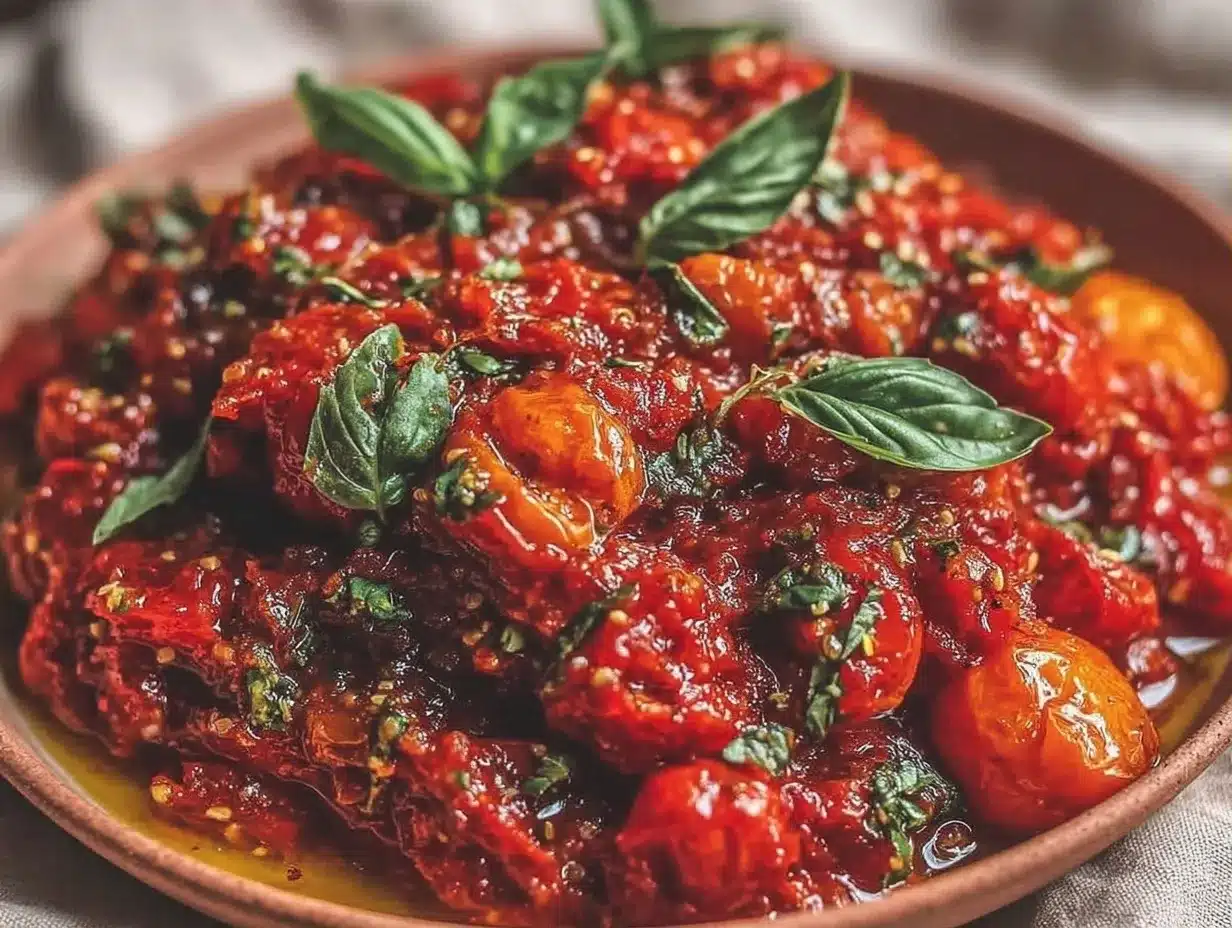
Kosher Salt (1 teaspoon / plus more for sprinkling) — I like to salt the tomatoes *before* roasting to draw out moisture and concentrate flavor. Then I season again after blending.
Black Pepper (1/2 teaspoon, freshly cracked) — Adds a little heat and complexity.
Honey or Sugar (1 teaspoon) — Optional, but if your tomatoes are particularly acidic, a tiny bit of honey balances it out. I only add this if the tomatoes taste sharp.
Parmesan Rind (1 piece, optional) — If you have a leftover wedge of Parmesan cheese, throw the rind into the pan while roasting. It infuses the oil with umami. Remove it before blending.
Red Pepper Flakes (1/2 teaspoon) — For a little background warmth. Not spicy, just aromatic.
Balsamic Vinegar (1 tablespoon) — A splash at the end adds a nice tangy brightness that cuts through the richness of the roasted tomatoes.
Equipment Needed
You don’t need anything fancy. Just standard kitchen gear. Here’s what I actually use:
Large Sheet Pan — I use a half-sheet pan (18×13 inches). You want enough surface area so the tomatoes aren’t crowded. If they’re piled on top of each other, they’ll steam instead of roast. If your pan is small, do two batches.
Baking Paper or Silicone Mat — Parchment paper makes cleanup a breeze. The roasted tomatoes leak sugar and oil, and you do not want to scrub a pan later.
Sharp Knife and Cutting Board — For slicing the tops off the garlic heads and halving the tomatoes. A serrated knife works great for tomatoes to avoid squishing them.
Immersion Blender or Standard Blender — An immersion blender is easiest because you can blend directly in the pan (once it cools slightly). A standard blender works too, but you’ll need to transfer the hot mixture in batches. Be careful with hot liquids in blenders!
Small Bowl — For squeezing the roasted garlic cloves out of their skins.
Measuring Spoons — Standard stuff. Dollar store versions work fine.
Strainer (Optional) — If you want a super smooth sauce, you can press it through a fine-mesh sieve. I usually skip this for a rustic texture, but it’s nice for dips.
How to Make It: Step-by-Step
Alright, let’s make this! I’m walking you through exactly how I do it, including the little tricks I’ve picked up over the years.
Step 1: Prep the Oven and Pan (5 minutes)
Preheat your oven to 400°F (200°C). Line a large sheet pan with parchment paper. This is crucial because the tomatoes will caramelize and stick. Parchment saves your sanity later. If you don’t have parchment, lightly oil the pan, but it’s not as reliable.
Step 2: Prep the Tomatoes (5 minutes)
Wash the cherry tomatoes and pat them dry. Remove the stems. Slice each tomato in half lengthwise. You want to expose as much flesh as possible to the heat. Toss them in a large bowl with 2 tablespoons of olive oil, 1/2 teaspoon of salt, and 1/4 teaspoon of black pepper. Spread them out on the sheet pan in a single layer. Do not crowd them! If they’re touching, they’ll steam. Give them space. They should roast, not boil.
Step 3: Prep the Garlic (2 minutes)
Take your whole heads of garlic. Slice about 1/4 to 1/2 inch off the top of each head. This exposes the individual cloves inside. Drizzle the cut sides with a little olive oil and sprinkle with a pinch of salt. Place them cut-side up on the sheet pan, nestled among the tomatoes. The oil will drip down and flavor the cloves as they roast.
Step 4: Roast (35-45 minutes)
Put the pan in the oven. Roast for 35 to 45 minutes. You’re looking for the tomatoes to be blistered, collapsed, and starting to caramelize at the edges. The garlic should be golden brown on top and soft inside. If the tomatoes are browning too fast, you can tent them loosely with foil. But honestly, I like the char. It adds a smoky depth. Remove the pan from the oven.
Step 5: Add Basil and Rest (5 minutes)
Immediately scatter the fresh basil leaves over the hot tomatoes and garlic. The residual heat will wilt the basil and release its oils without cooking it to a dull green. Let everything sit on the pan for 5 minutes. This allows the flavors to meld and the tomatoes to cool slightly so you can handle them.
Step 6: Squeeze the Garlic (2 minutes)
Pick up the roasted garlic heads and squeeze the bottoms. The soft, sweet cloves should slide right out. Discard the skins. Mash the cloves roughly with the back of a spoon or a fork. You don’t need them perfectly smooth yet; the blender will handle that.
Step 7: Blend the Sauce (2 minutes)
Transfer the tomatoes, roasted garlic, and any juices from the pan into a blender. Add the remaining 2 tablespoons of olive oil, the balsamic vinegar, red pepper flakes, and a pinch of salt. Blend until smooth. If you’re using a standard blender, do this in batches and be very careful—the steam can blow the lid off. I usually blend half at a time. Taste it. Does it need more salt? More acid? Adjust now.
Step 8: Serve or Store
Serve warm, at room temperature, or chilled. It’s delicious in all three states. If you’re serving it as a dip, drizzle with a little extra virgin olive oil and a few fresh basil leaves on top for garnish.
Expert Tips & Tricks
Here’s everything I’ve learned from making this dozens of times. These tips will save you from my mistakes.
Don’t Skip the Salt Before Roasting
Salting the raw tomatoes draws out moisture and concentrates their flavor. It’s the difference between a watery sauce and a rich, jammy one. I salt them generously before they go in the oven.
Room Temperature Basil
If you chop your basil beforehand, let it sit out for a few minutes. Cold basil can shock the hot tomatoes and turn it an ugly dark green. Room temp basil keeps its bright color better.
The Garlic Squeeze Test
If the garlic isn’t soft enough to squeeze out easily, it needs more time. Under-roasted garlic is pungent and hard. You want it buttery. If it’s burnt black, it’s bitter. Golden brown is the sweet spot.
Blend While Warm
The sauce blends easiest when it’s warm. If you let it cool completely, the olive oil will solidify and make it grainy. Warm it up slightly in the microwave for 30 seconds if needed before blending.
Strain for a Polished Look
If you’re serving this at a dinner party and want it to look sleek, press it through a fine-mesh sieve. It removes the skins and seeds, leaving a silky smooth sauce. It’s a bit of work, but it looks professional.
Freeze in Ice Cube Trays
I make extra batches and freeze them in ice cube trays. Once frozen, I pop them into a bag. These “tomato bombs” are perfect for throwing into soups, stews, or pasta sauces later. They thaw quickly and add instant flavor.
Variations & Substitutions
Once you’ve nailed the basic version, here’s how you can mix it up. I’ve tried all of these.
Spicy Roasted Tomato Sauce
Add 1-2 chopped fresh jalapeños or a teaspoon of red pepper flakes to the pan before roasting. It adds a nice kick that pairs well with crispy loaded potato skins or grilled cheese.
Roasted Red Pepper Twist
Swap half the tomatoes for roasted red peppers (jarred or fresh). It adds a smoky sweetness and a beautiful orange hue. Great for dipping veggies.
Herb-Forward Version
Add a sprig of rosemary or thyme to the pan while roasting. These hardy herbs hold up well to heat and infuse the oil with earthy notes. Remove the woody stems before blending.
Smoky Chipotle Version
Blend in one canned chipotle pepper in adobo sauce. This turns it into a spicy, smoky sauce perfect for tacos or pizza.
Dairy-Free Option
The base recipe is naturally dairy-free. If you want a richer mouthfeel, add a tablespoon of tahini or coconut milk when blending.
Gluten-Free
Naturally gluten-free. Just make sure your olive oil and seasonings are certified gluten-free if you have celiac disease.
Serving & Storage
How to Serve:
I usually serve this warm as a dip with crusty bread, but it’s also amazing cold as a bruschetta topping. Try it on grilled chicken, stirred into risotto, or as a base for homemade pizza. It pairs beautifully with smoked salmon bagels for a sophisticated brunch or light lunch.
Side Dishes:
Serve with garlic bread, a simple arugula salad with lemon vinaigrette, or roasted asparagus. It’s light enough to not weigh you down but rich enough to feel satisfying.
Storage Instructions:
Refrigerator: Store in an airtight container for up to 5 days. The flavors actually get better after a day or two as they meld together.
Freezer: Freeze for up to 3 months. Thaw in the fridge overnight. The texture might change slightly, but it’s still great for cooking.
Reheating:
Gently warm in a saucepan over low heat. Add a splash of water or broth if it’s too thick. Don’t boil it vigorously, or you’ll lose that fresh basil flavor.
Nutrition Information
I’m not a nutritionist, but here’s the breakdown if you’re tracking. Keep in mind that nutrition varies based on the specific tomatoes and olive oil used.
Per Serving (approx. 1/4 cup):
Calories: 85
Protein: 2g
Carbs: 6g
Fiber: 2g
Sugar: 4g
Fat: 6g
Saturated Fat: 1g
Sodium: 180mg
What’s Good:
High in lycopene from the tomatoes, which is an antioxidant. Good source of vitamin C and potassium. Low in calories and sugar compared to store-bought sauces.
What to Know:
Higher in fat due to the olive oil, but it’s healthy monounsaturated fat. Contains no dairy or gluten.
My Take:
This is a healthy, whole-food sauce. It’s not a diet food, but it’s nutrient-dense and free from preservatives, sugar, and thickeners. It’s a great way to get more veggies into your diet without realizing it.
Final Thoughts
So that’s my slow-roasted tomato sauce with garlic and basil! It’s become such a staple in my kitchen because it’s reliable, delicious, and impressive. I make it when I want to feel like a gourmet chef without the stress. Whether you’re serving it at a dinner party or just eating it straight from the spoon with a piece of bread, it’s worth the effort.
Make it yours! Add more garlic if you’re a lover, less if you’re sensitive. Try different herbs. The best recipes are the ones you adapt to your tastes. If you make this, drop a comment and let me know how you served it! I love hearing how recipes turn out in your kitchen.
Frequently Asked Questions
Can I use canned tomatoes instead of fresh?
No, I don’t recommend it. This recipe relies on the roasting process to concentrate the flavor and reduce the water content. Canned tomatoes are already cooked and watery. They won’t caramelize or develop that deep, sweet flavor. Fresh cherry tomatoes are key.
Why did my sauce turn out watery?
Usually, this means the tomatoes weren’t roasted long enough or were too crowded on the pan. Make sure you have space between them so they roast, not steam. Also, make sure you’re using cherry or grape tomatoes, which have less water than large slicing tomatoes.
Can I make this ahead of time?
Yes! In fact, it tastes better the next day. Make it up to 3 days ahead and store in the fridge. Let it come to room temperature before serving for the best flavor.
How long does it last in the fridge?
Up to 5 days in an airtight container. If you notice any off smells or mold, discard it. The high acid content helps preserve it, but fresh herbs and olive oil can go rancid eventually.
Can I freeze this sauce?
Absolutely. Freeze it in ice cube trays or freezer-safe bags for up to 3 months. It’s perfect for adding to soups, stews, or pasta sauces later. The texture might separate slightly when thawed, but a quick stir or blend will fix it.
What kind of garlic should I use?
Use fresh, whole heads of garlic. Pre-minced garlic won’t work because it’s already cooked and dried out. You need the whole clove to roast properly and become sweet and spreadable.
Can I add cheese to this sauce?
Yes! Parmesan or Pecorino Romano works well. Stir it in after blending, while the sauce is still warm. It adds a salty, umami kick that’s delicious.
Pin This Recipe!
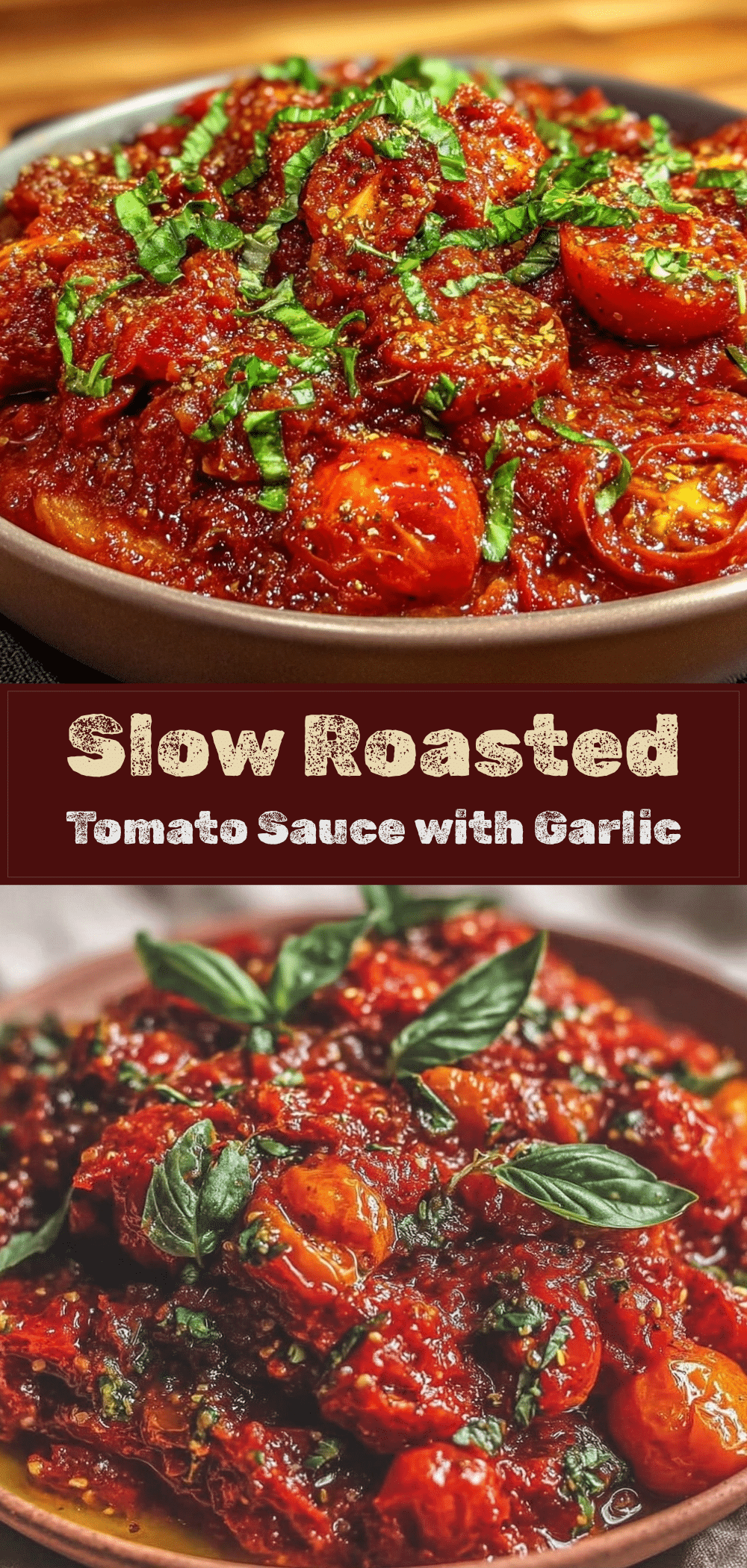
Slow Roasted Tomato Sauce: Best Homemade Garlic Basil Dip
- Total Time: 57 minutes
- Yield: Makes approx. 4 cups (serves 8-10 as a dip)
Description
A rich, deeply flavorful homemade garlic basil dip made by slow-roasting cherry tomatoes and whole heads of garlic until caramelized and jammy. This ‘set it and forget it’ recipe requires zero active cooking time and delivers gourmet results.
Ingredients
- 2 pounds (900g) Cherry or Grape Tomatoes
- 1/3 cup (80ml) Extra Virgin Olive Oil
- 2 large heads Whole Garlic
- 1 large bunch (about 1 cup loosely packed) Fresh Basil
- 1 teaspoon Kosher Salt (plus more for sprinkling)
- 1/2 teaspoon Black Pepper, freshly cracked
- 1 teaspoon Honey or Sugar (optional, for acidic tomatoes)
- 1 piece Parmesan Rind (optional)
- 1/2 teaspoon Red Pepper Flakes
- 1 tablespoon Balsamic Vinegar
Instructions
- Preheat oven to 400°F (200°C). Line a large sheet pan with parchment paper.
- Wash, dry, and halve the cherry tomatoes lengthwise. Toss in a bowl with 2 tablespoons olive oil, 1/2 teaspoon salt, and 1/4 teaspoon pepper. Spread in a single layer on the sheet pan.
- Slice 1/4 to 1/2 inch off the top of each garlic head to expose cloves. Drizzle cut sides with olive oil and sprinkle with salt. Place cut-side up on the pan among the tomatoes.
- Roast for 35-45 minutes until tomatoes are blistered/collapsed and garlic is golden brown and soft.
- Remove from oven and immediately scatter fresh basil leaves over the hot tomatoes and garlic. Let rest for 5 minutes.
- Squeeze roasted garlic cloves out of their skins and discard skins. Mash cloves roughly.
- Transfer tomatoes, garlic, and pan juices to a blender. Add remaining 2 tablespoons olive oil, balsamic vinegar, red pepper flakes, and a pinch of salt.
- Blend until smooth. Taste and adjust seasoning if needed.
- Serve warm, at room temperature, or chilled.
Notes
Do not crowd the tomatoes on the pan; they need space to roast, not steam. Roasting whole garlic heads makes them sweet and spreadable, removing the harsh bite. The sauce can be strained through a fine-mesh sieve for a smoother texture. It freezes well in ice cube trays for future use.
- Prep Time: 12 minutes
- Cook Time: 45 minutes
- Category: Appetizer
- Cuisine: Italian
Nutrition
- Serving Size: 1/4 cup
- Calories: 85
- Sugar: 4
- Sodium: 180
- Fat: 6
- Saturated Fat: 1
- Carbohydrates: 6
- Fiber: 2
- Protein: 2
Keywords: slow roasted tomato sauce, garlic basil dip, homemade tomato sauce, roasted garlic dip, summer appetizer, gluten-free recipe, dairy-free recipe, easy dinner party food