There’s a specific kind of misery that hits around 10 PM on a Tuesday. You’re staring at the fridge, the light flickering like it’s judging you, and you realize you have exactly zero ingredients that constitute a “meal.” Just some sad celery, half a jar of pickles, and a lingering craving for something hot, spicy, and deeply comforting. That was me last winter, shivering in my kitchen, debating whether to order from that greasy place down the street or just eat cold beans straight from the can.
I chose to cook. And I chose to do it outside.
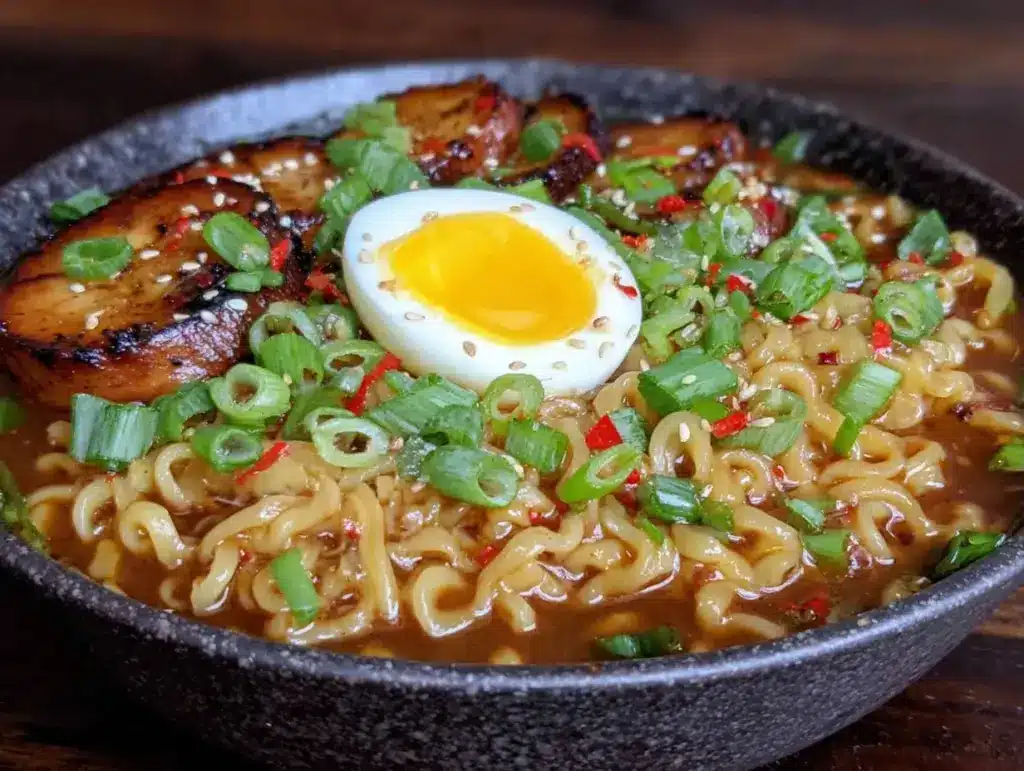
Here’s the thing about homemade ramen: most people think it’s impossible because they imagine boiling noodles in a pot on the stove while waiting for a broth that takes twelve hours to simmer. But when you bring the process outdoors—using the grill or smoker—you unlock a whole new level of flavor. The smoky heat infuses the broth, the eggs get that perfect soft-set texture, and the noodles stay firm because you’re not juggling multiple burners. I’ve made this Spicy Homemade Ramen Bowls Better Than Takeout version countless times, and honestly, it’s become my go-to winter ritual. It’s faster than delivery, cheaper than a restaurant, and tastes like someone actually cared about your dinner.
I remember the first time I tried making ramen on the grill. I was skeptical. I thought, “Broth on a grill? That’s going to be weird.” But the moment I lifted the lid and saw that rich, amber-colored broth bubbling away, infused with the scent of hickory and chili, I knew I’d found my new favorite comfort food. The spice level is adjustable, the toppings are endless, and the whole process feels like a celebration rather than a chore. If you’ve ever felt like takeout ramen was just “okay,” this recipe will change your mind. It’s bold, it’s messy, and it’s absolutely worth the effort.
Why You’ll Love This Recipe
There are a dozen reasons I keep coming back to this Spicy Homemade Ramen Bowls Better Than Takeout method, but let’s get to the good stuff. This isn’t just about saving a few dollars (though it definitely does that). It’s about the experience and the flavor profile that you just can’t replicate indoors.
- Smoky Depth You Can’t Fake — Cooking the broth base on the grill or smoker adds a layer of complexity that stove-top versions miss. The smoke penetrates the chili oil and the soy sauce, creating a warm, earthy backdrop that makes every spoonful taste rich and hearty. It’s the difference between a quick dinner and a memorable meal.
- Active Cooking, Not Passive Waiting — I hate recipes where I spend an hour simmering and ten minutes eating. With this method, the grill does the heavy lifting. You’re chopping veggies, boiling noodles, and setting up your toppings while the broth develops. It’s engaging, not boring. Plus, you get to hang out outside instead of standing over a hot stove in a stuffy kitchen.
- Customizable Heat Level — Some people like spicy, some like “why is this burning my tongue” spicy. This recipe lets you control the heat. I usually go for a medium-hot kick using gochujang and chili crisp, but you can dial it back or crank it up depending on your mood. It’s your bowl, your rules.
- Leftovers Are Actually Good — Ramen leftovers can be tricky because noodles get soggy. But if you store the broth and noodles separately (which you should), reheating is a breeze. I often drink the leftover broth as a soup before making a fresh bowl the next day. It’s like getting two meals for the price of one.
- Outdoor Cooking Fun — Let’s be honest, we all need an excuse to fire up the grill. This recipe is that excuse. It’s not a burger or a steak. It’s something different, something that makes your neighbors curious. And honestly, eating hot soup on a cool evening while tending the fire is just plain satisfying.
This recipe has saved me from takeout fatigue more times than I can count. It’s my answer to “I don’t want to cook, but I don’t want takeout either.” It’s the perfect middle ground: effortful enough to feel special, easy enough to do on a random Tuesday. And the best part? You’ll never go back to instant packets again.
Ingredients You’ll Need
Here’s the best part: you probably have most of these ingredients already. I’m particular about a few key items, especially the chili paste and the broth base, but the rest is pretty standard pantry fare. Since we’re cooking outdoors, I like to keep things organized in a cooler or a large bowl so everything is within arm’s reach of the grill.
For the Broth Base
Chicken or Vegetable Broth (6 cups / 1.5 liters) — I use low-sodium so I can control the saltiness. Bone broth adds extra richness, which I love, but regular broth works fine too. If you’re vegetarian, stick to vegetable broth.
Goatfish Paste (Gochujang) (2-3 tablespoons) — This is the heart of the spice. It’s fermented, funky, and spicy. Don’t substitute with sriracha; it’s not the same thing. I use Korean brand Sempio or CJ. If you can’t find it, look for it in the Asian aisle of your grocery store.
Chili Crisp or Chili Oil (2 tablespoons) — This adds texture and extra heat. Lao Gan Ma is my favorite brand. It has crunchy bits that look beautiful in the soup. If you don’t have chili crisp, just use neutral oil and red pepper flakes.
Soy Sauce (3 tablespoons) — I use low-sodium soy sauce or tamari. It provides the salty umami backbone. If you’re watching sodium, reduce this amount.
Garlic (4 cloves, minced) — Fresh garlic only. No jarred stuff. Minced fine so it dissolves into the broth. It adds a sharp, aromatic punch that balances the richness.
Fresh Ginger (1 tablespoon, grated) — Grate it on a microplane for maximum flavor. It adds a warm, zesty note that cuts through the heavy broth. If you don’t have fresh ginger, 1 teaspoon of ground ginger works in a pinch, but fresh is better.
Sesame Oil (1 tablespoon) — Toasted sesame oil adds a nutty aroma. Don’t use the untoasted kind for this; it’s too mild. A little goes a long way.
Rice Vinegar (1 tablespoon) — Adds a touch of acidity to brighten the soup. It balances the salt and spice. If you don’t have rice vinegar, apple cider vinegar works too.
Sugar or Honey (1 teaspoon) — Just a pinch to round out the flavors. It doesn’t make it sweet; it just takes the edge off the spice. I prefer honey for a floral note.
For the Toppings
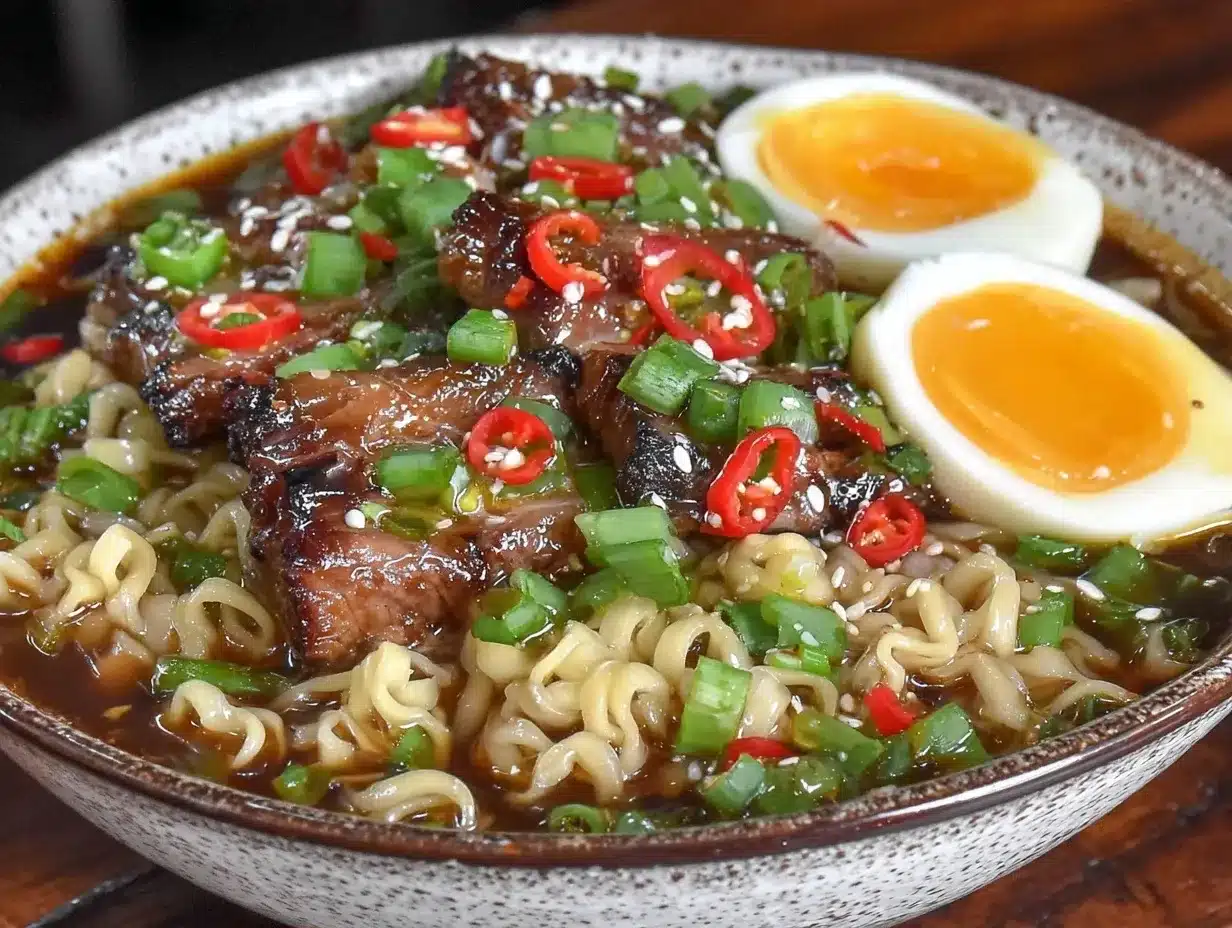
Ramen Noodles (2 packs, fresh or dried) — Fresh ramen noodles are best because they have a chewy, bouncy texture. Dried instant noodles work but taste more like takeout. Look for fresh noodles in the refrigerated section of Asian markets.
Eggs (2 per person) — Soft-boiled eggs are non-negotiable. I cook them for 6.5 minutes for a jammy yolk. They add creaminess and protein.
Green Onions (4 stalks, sliced) — Both white and green parts. They add a fresh, oniony bite that contrasts with the rich broth.
Protein (Optional) — I usually use thinly sliced beef, chicken thighs, or tofu. If you’re using beef, slice it against the grain for tenderness. For chicken, cube it small so it cooks quickly.
Vegetables — Mushrooms (shiitake or button), spinach, corn kernels, or bean sprouts. Whatever you have in the fridge. I love adding sautéed mushrooms for extra umami.
Optional Add-ins — Pickled ginger, nori sheets, sesame seeds, or a dash of extra chili oil for serving. I always keep a small bowl of chili oil on the table for people who want extra heat.
Equipment Needed
You don’t need fancy equipment for this. Here’s what I actually use when I’m firing up the grill for ramen night.
Grill or Smoker — I use a charcoal grill for the best smoke flavor, but a gas grill works too. If you have a smoker, even better. The key is indirect heat so the broth simmers gently without boiling over.
Heat-Proof Bowl or Dutch Oven — You need something to hold the broth while it smokes on the grill. A large Dutch oven is perfect because it holds heat well. A stainless steel bowl works if you’re careful. Avoid plastic or thin glass.
Large Pot for Noodles — I usually boil the noodles on the side burner of the grill or on the stovetop while the broth is smoking. A medium-sized pot is sufficient.
Egg Timer or Thermometer — For perfect soft-boiled eggs. I use a timer set for 6.5 minutes. Precision matters here.
Sharp Knife and Cutting Board — For prepping veggies and protein. Keep it clean and organized.
Serving Bowls — Large, deep bowls to hold all the toppings. I like ceramic bowls because they keep the soup hot longer.
How to Make It: Step-by-Step
Alright, let’s make this! I’m walking you through exactly how I do it, including the little tricks I’ve picked up from years of grill-side ramen making.
Step 1: Prep Your Ingredients (10 minutes)
Before you light the grill, get everything ready. Slice your green onions, mince the garlic, grate the ginger, and cook your eggs. Soft-boil the eggs for 6.5 minutes, then plunge them into an ice bath to stop the cooking. Peel them once cool. This prep work makes the actual cooking stress-free. I also slice my protein and veggies now so they’re ready to go.
Step 2: Set Up the Grill for Indirect Heat (15 minutes)
If you’re using a charcoal grill, light the coals and let them burn until they’re covered in gray ash. Pile them on one side of the grill to create an indirect heat zone. If you’re using a gas grill, turn on only one or two burners. You want the temperature around 350°F (175°C). This gentle heat is crucial for simmering the broth without boiling it away.
Step 3: Build the Broth Base (20 minutes)
In your heat-proof bowl or Dutch oven, combine the broth, gochujang, chili crisp, soy sauce, garlic, ginger, sesame oil, rice vinegar, and sugar. Whisk it all together until the paste is dissolved. Place this mixture on the cool side of the grill (indirect heat). Cover the grill and let it simmer for 20 minutes. The smoke will infuse the broth, creating that deep, complex flavor. Stir occasionally to prevent sticking.
Step 4: Cook the Noodles (5 minutes)
While the broth is smoking, bring a large pot of water to a boil. Add the ramen noodles and cook according to package directions. Fresh noodles usually take 2-3 minutes; dried noodles take 3-5 minutes. Don’t overcook them! They should be al dente. Drain them and rinse briefly with cold water to stop the cooking. Toss with a tiny bit of sesame oil to prevent sticking.
Step 5: Cook the Protein and Veggies (5-10 minutes)
If you’re using raw protein, cook it now. For beef, sear it quickly on the hot side of the grill for 1-2 minutes per side. For chicken, cook until done through. For tofu, press it first and grill until golden. Sauté your vegetables (mushrooms, spinach, etc.) in a pan on the side burner or directly on the grill grate. Keep it simple—just a little oil and salt.
Step 6: Assemble the Bowls (2 minutes)
Remove the broth from the grill. Taste and adjust seasoning if needed. Add more salt or spice if you want. Divide the cooked noodles among your serving bowls. Ladle the hot, smoky broth over the noodles. Arrange your toppings: sliced soft-boiled egg, cooked protein, vegetables, and a generous sprinkle of green onions. Add a drizzle of extra chili oil if you’re feeling adventurous.
Step 7: Serve Immediately
Ramen is best eaten hot and fresh. Serve it immediately while the broth is steaming and the noodles are still chewy. Add a side of pickled ginger or a simple salad to balance the meal. Enjoy the outdoors while you eat!
Expert Tips & Tricks
Here’s everything I’ve learned from making this dozens of times. These tips will save you from my mistakes.
Don’t Boil the Broth on the Grill — If the broth boils too vigorously, it can become cloudy and lose its delicate flavor. Keep it at a gentle simmer. If the grill gets too hot, move the broth further away from the heat source.
Use Fresh Noodles When Possible — Fresh ramen noodles have a superior texture. They’re chewier and hold up better to the hot broth. If you can’t find fresh, dried noodles are fine, but avoid the cheap instant packets with the flavor cube.
Soft-Boil Eggs to Perfection — The jammy yolk is essential. 6.5 minutes is the sweet spot. If you like runnier yolks, go for 6 minutes. If you prefer firmer yolks, 7 minutes. Use a timer!
Toast Your Sesame Seeds — If you’re using sesame seeds as a garnish, toast them in a dry pan for a minute before sprinkling. It releases their nutty aroma and adds extra flavor.
Make a Spice Oil for Serving — Heat some neutral oil and pour it over chili flakes and sesame seeds. Let it cool. This homemade chili oil is better than store-bought and lets you control the heat level.
Keep Toppings Separate — If you’re serving a crowd, keep toppings in separate bowls. Let everyone customize their own bowl. It’s interactive and fun.
Don’t Skimp on the Smoke — The smoke is what makes this better than takeout. Use wood chips like hickory, apple, or cherry for a sweet, mild smoke. Avoid mesquite if you’re new to smoking; it can be too strong.
Variations & Substitutions
Once you’ve nailed the basic version, here’s how you can mix it up. I’ve tried all of these.
Vegetarian Version — Use vegetable broth instead of chicken broth. Skip the meat and add extra tofu, mushrooms, and edamame. The broth is still rich and flavorful.
Spicy Miso Ramen — Add 2 tablespoons of miso paste to the broth base. Miso adds a deep, savory umami flavor. Dissolve it in a little warm broth before adding it to the main pot to prevent clumps.
Pork Belly Ramen — Instead of beef or chicken, use braised pork belly. It’s fatty and rich. You can cook the pork belly in the smoker for a few hours before making the ramen.
Seafood Ramen — Use shrimp or scallops. Add them to the broth in the last 2 minutes of cooking. Seafood ramen is lighter and sweeter.
Gluten-Free — Use gluten-free ramen noodles (rice or buckwheat). Check your soy sauce and gochujang for gluten-free labels. Tamari is a good gluten-free soy sauce alternative.
Dairy-Free — This recipe is naturally dairy-free, so no changes needed. Just ensure your noodles don’t contain egg if you’re avoiding that too.
Serving & Storage
How to Serve: I usually serve this straight from the grill to the table. It’s rustic and fun. Add a side of garlic bread or a simple green salad. I also like to serve it with a cold beer or a glass of iced tea to balance the spice.
Storage: Store leftover broth in an airtight container in the fridge for up to 3 days. Noodles should be stored separately. Reheat the broth gently on the stove or in the microwave. Cook fresh noodles for each serving.
Freezing: You can freeze the broth for up to 3 months. Thaw it in the fridge overnight before reheating. Do not freeze the noodles or eggs; they will become mushy and rubbery.
Pro Tip: If you’re meal prepping, make the broth on Sunday and store it. Cook noodles and assemble bowls during the week. It’s a quick 10-minute meal.
Nutrition Information
I’m not a nutritionist, but here’s the breakdown if you’re tracking. Per serving (based on 4 servings):
| Nutrient | Amount |
|---|---|
| Calories | 450 |
| Protein | 25g |
| Carbs | 50g |
| Fat | 18g |
| Fiber | 3g |
| Sodium | 900mg |
Look, this is comfort food. It’s higher in sodium from the soy sauce and broth. But it’s packed with protein from the egg and meat, and you can add lots of veggies to boost the fiber. When I want to make it lighter, I use less oil and more vegetables. But usually? I just enjoy it. It’s better than takeout, and you know exactly what’s in it.
Final Thoughts
So that’s my Spicy Homemade Ramen Bowls Better Than Takeout method! I’ve probably talked your ear off at this point, but when you make a recipe this often, you have a lot to say about it.
This has saved weeknight dinners more times than I can count. It’s my answer to “what’s for dinner” when I’m tired, don’t want takeout, and still want something that tastes really good. The outdoor cooking aspect makes it feel like an event, not just a chore. My family loves it, and I love the smoke-infused flavor that you just can’t get indoors.
Make it yours! Try different toppings, swap in your favorite proteins, adjust the garlic (though more is always better in my opinion). The best recipes are the ones you adapt to your family’s tastes. If you make this, drop a comment and let me know what you think! I love hearing how recipes turn out in your kitchen. And if something doesn’t work, tell me that too—I’m here to help troubleshoot.
Happy cooking! And I hope your kitchen smells half as good as my grill does right now.
Frequently Asked Questions
Can I make this indoors?
You can, but you’ll miss out on the smoky flavor that makes this recipe special. If you must cook indoors, use a stockpot on the stove. Add a drop of liquid smoke to the broth for a hint of smoke, but it won’t be the same. The grill or smoker is the key to this recipe.
Why is my broth cloudy?
If the broth boils too hard, it can become cloudy. Keep it at a gentle simmer. Also, if you’re using bone broth, it might naturally be cloudier. It’s still safe to eat, just not as clear-looking.
Can I use instant ramen noodles?
I wouldn’t recommend it. Instant noodles are pre-fried and have a different texture. They’ll get soggy quickly. Fresh or dried ramen noodles are much better. If you’re in a pinch, dried non-fried ramen noodles work okay.
How do I make the eggs?
Bring a pot of water to a boil. Gently lower the eggs in. Cook for 6.5 minutes. Immediately transfer them to an ice bath to stop the cooking. Peel under running water for easier removal. The yolk should be jammy.
Can I double this recipe?
Yes! Just use a larger heat-proof bowl or Dutch oven. Make sure your grill has enough indirect heat space. You might need to cook the noodles in batches. Everything else scales easily.
What wood chips should I use?
Apple and cherry wood are great for ramen because they’re sweet and mild. Hickory is stronger and works well if you like a bolder smoke flavor. Avoid mesquite if you’re new to smoking; it can overpower the delicate broth.
Can I make this ahead for a party?
Yes! Make the broth ahead of time and store it in the fridge. Reheat it on the grill before serving. Cook the noodles and eggs fresh. This way, you’re not stuck in the kitchen while your guests are waiting.
Pin This Recipe!
Spicy Homemade Ramen Bowls Better Than Takeout
- Total Time: 40 minutes
- Yield: 4 servings 1x
Description
A smoky, spicy homemade ramen recipe cooked on a grill or smoker for enhanced flavor, featuring a rich broth, soft-boiled eggs, and customizable toppings.
Ingredients
- 6 cups chicken or vegetable broth (low-sodium)
- 2–3 tablespoons gochujang (Korean chili paste)
- 2 tablespoons chili crisp or chili oil
- 3 tablespoons soy sauce or tamari (low-sodium)
- 4 cloves garlic, minced
- 1 tablespoon fresh ginger, grated
- 1 tablespoon toasted sesame oil
- 1 tablespoon rice vinegar
- 1 teaspoon sugar or honey
- 2 packs ramen noodles (fresh or dried)
- 8 eggs (2 per person)
- 4 stalks green onions, sliced
- Protein of choice (thinly sliced beef, chicken thighs, or tofu)
- Vegetables (shiitake or button mushrooms, spinach, corn kernels, bean sprouts)
- Optional: pickled ginger, nori sheets, sesame seeds, extra chili oil
Instructions
- Prep ingredients: Slice green onions, mince garlic, grate ginger, and soft-boil eggs for 6.5 minutes, then plunge into an ice bath and peel.
- Set up grill for indirect heat: For charcoal, pile coals on one side; for gas, turn on only one or two burners. Aim for 350°F (175°C).
- Build broth base: In a heat-proof bowl or Dutch oven, whisk together broth, gochujang, chili crisp, soy sauce, garlic, ginger, sesame oil, rice vinegar, and sugar.
- Smoke the broth: Place the broth mixture on the cool side of the grill (indirect heat). Cover and simmer for 20 minutes, stirring occasionally.
- Cook noodles: While broth smokes, boil ramen noodles in a large pot according to package directions (2-5 minutes). Drain and rinse with cold water; toss with a little sesame oil.
- Cook protein and veggies: Sear beef or cook chicken/tofu on the hot side of the grill or in a pan. Sauté vegetables separately.
- Assemble bowls: Divide noodles among serving bowls. Ladle hot, smoky broth over noodles. Top with eggs, protein, vegetables, and green onions.
- Serve immediately while hot and fresh.
Notes
Keep the broth at a gentle simmer to avoid cloudiness. Use fresh noodles for best texture. Store broth and noodles separately for leftovers. Use mild wood chips like apple or cherry for smoking.
- Prep Time: 10 minutes
- Cook Time: 30 minutes
- Category: Main Course
- Cuisine: Asian
Nutrition
- Serving Size: 1 bowl
- Calories: 450
- Sodium: 900
- Fat: 18
- Carbohydrates: 50
- Fiber: 3
- Protein: 25
Keywords: ramen, spicy ramen, homemade ramen, grill recipes, smoker recipes, comfort food, gochujang, spicy soup, outdoor cooking