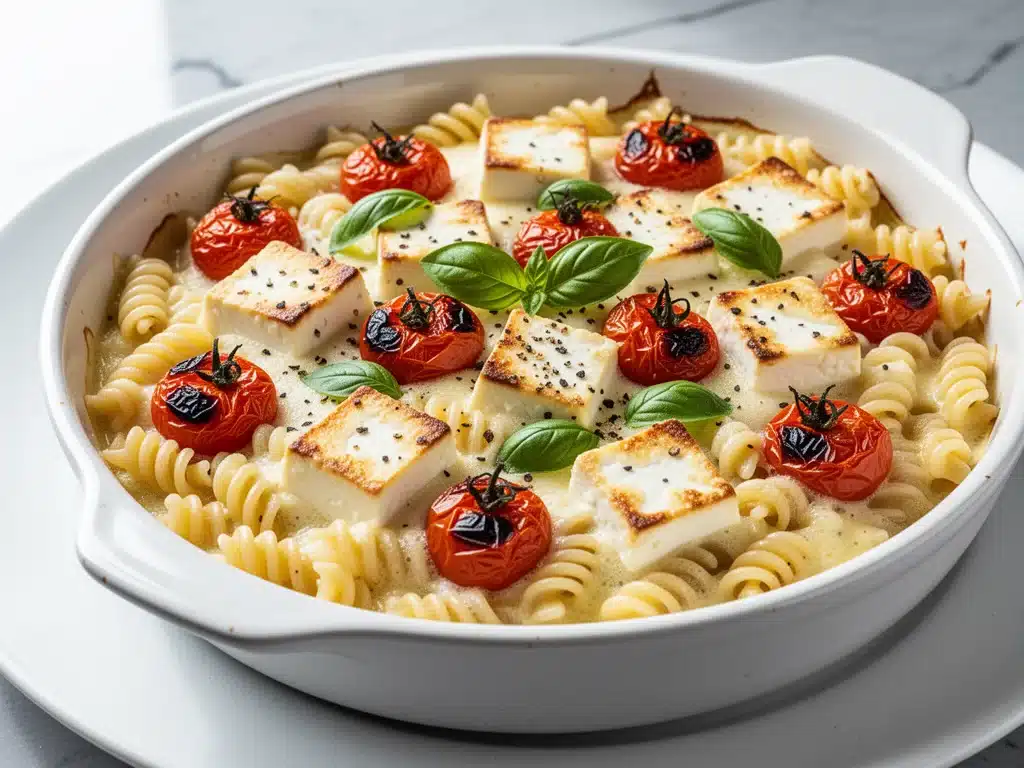
I still remember the exact Tuesday this recipe saved me. It was 6:30 PM, I was exhausted after a long workday, and my kitchen looked like a war zone from lunch prep. I had zero energy for chopping, sautéing, or cleaning three different pans. I just wanted dinner to be done, and I wanted it to taste like I’d tried, but not too hard.
I opened the fridge, saw a block of feta, a bag of cherry tomatoes, and a box of pasta. It felt like a joke. A lazy, desperate joke. But I tossed them into a baking dish, drizzled some olive oil, threw it in the oven, and walked away. Twenty minutes later, I pulled it out, stirred it into a creamy, cheesy mess, and served it to my family. The silence that followed was the best sound I’d heard all day. Then my husband said, “Wait, you made this in the oven? With no stirring?”
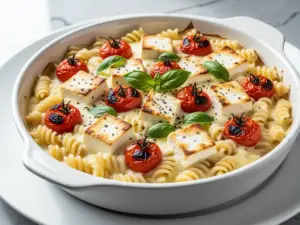
That was the moment I fell in love with baked feta pasta. It’s not just a trend; it’s a legitimate game-changer for busy weeknights. I’ve made this ultra-creamy baked feta pasta probably fifty times since that Tuesday. Sometimes with just tomatoes, sometimes with extra veggies, sometimes with a splash of cream (though it’s never needed). But the core magic remains the same: a block of feta melts into the tomatoes, creating a sauce so rich and tangy that you don’t need to lift a finger to stir it.
If you’re tired of the same old chicken and rice routine, or if you’re looking for a vegetarian dinner that actually feels indulgent, this is it. It’s foolproof, it’s beautiful, and it tastes like you spent hours in the kitchen. Spoiler alert: you didn’t. Let me show you how to make this ultra-creamy baked feta pasta perfectly every single time.
Why You’ll Love This Ultra-Creamy Baked Feta Pasta
There are about ten reasons I keep coming back to this recipe, but let’s be real—here are the big ones that make it my absolute go-to for weeknights.
Stupid Simple — Seriously, if you can throw ingredients into a dish, you can make this. I’ve made this while holding a baby, while watching TV, and while half-asleep. There is no active cooking involved until the very end. You just bake it and stir it. That’s it.
Minimal Cleanup — This is the real selling point for me. One baking dish. One spoon. One bowl for the pasta. I’m a huge fan of any recipe that doesn’t require me to scrub a skillet or a saucepan. My sink stays happy, and so do I.
Pantry-Friendly — You probably have most of these ingredients already. Pasta, olive oil, garlic, and tomatoes are staples. Feta is in the fridge. If you have these, you can make dinner. I keep a block of feta in my fridge specifically for nights when I don’t know what to cook.
Restaurant-Quality Flavor — The magic happens in the oven. The feta browns and melts, the tomatoes burst and caramelize, and the olive oil emulsifies into a sauce that tastes like it came from a high-end Italian restaurant. It’s rich, tangy, and savory without being heavy.
Makes Amazing Leftovers — Actually tastes better the next day. The flavors meld together overnight. I deliberately make extra for lunch throughout the week. It reheats beautifully in the microwave, though I prefer it cold or room temp for a salad-style lunch.
Budget-Smart — Feeds 4-6 people for under $15. That’s less than one meal at a fast-food place. Pasta is cheap, feta is affordable, and tomatoes are often on sale. This is comfort food that doesn’t break the bank.
This is my go-to when I need dinner to just work. No complicated techniques, no weird ingredients, just reliable, delicious food that makes everyone happy. It’s also naturally vegetarian, which makes it easy to pair with other meals or serve to mixed dietary groups.
Ingredients You’ll Need
Here’s the best part: you probably have most of this already. This recipe is deceptively simple. The fewer ingredients, the more each one matters. So let’s talk about what you need and why.
For the Pasta Base
Penne or Rigatoni (1 pound / 450g) — I swear by short, tubular pastas. The sauce gets inside the tubes, so every bite is coated. Fusilli works too, but I avoid long pasta like spaghetti because it’s harder to mix with the chunky feta-tomato sauce. I always use Barilla penne—it cooks evenly and holds up well.
Water (for boiling) — Standard stuff. Make sure your pot is big enough.
Salt (1 tablespoon) — For the pasta water. It should taste like the ocean. Don’t skip this.
For the Feta-Tomato Magic
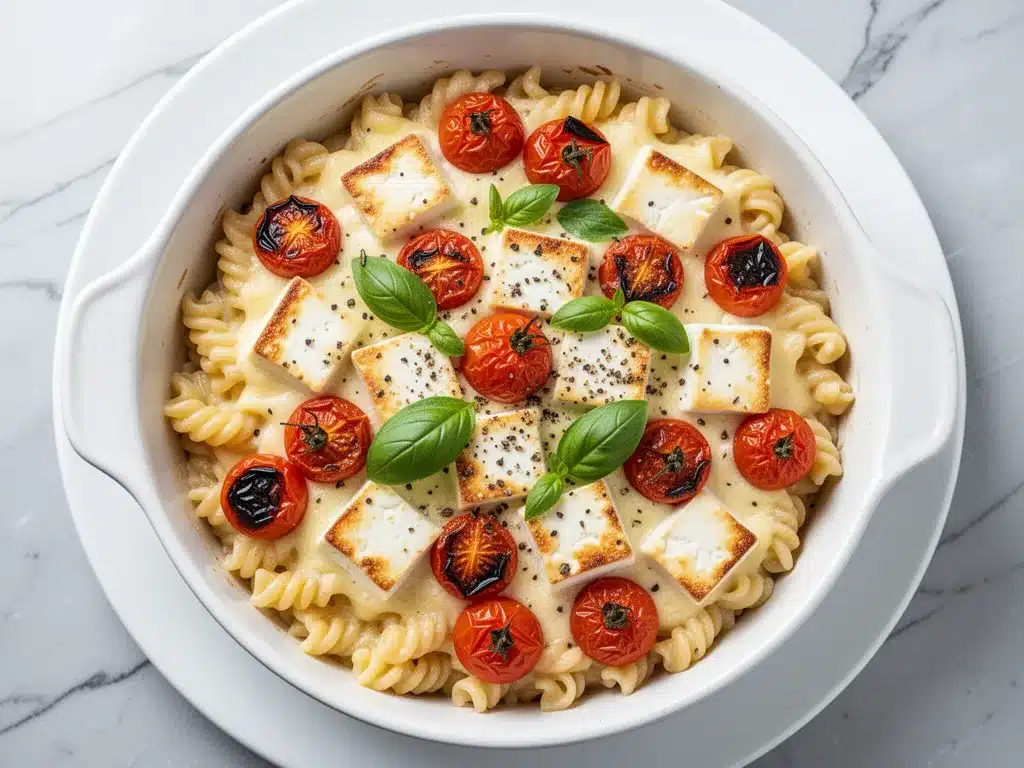
Block of Feta Cheese (8 ounces / 225g) — This is the star. Do not use crumbled feta. You need a solid block so it melts into a cohesive cream. I buy the brined block, usually Greek style. It’s tangier and creamier than the pre-crumbled stuff. Look for a brand like Feta Bella or any generic Greek feta that comes in a block.
Cherry or Grape Tomatoes (1 pint / 500g) — Red cherry tomatoes are classic, but don’t be afraid to mix colors. Yellow and red together look stunning. I buy the pint containers because they’re easy to portion. You want them plump and ripe. If they’re dry, the sauce will be dry.
Extra Virgin Olive Oil (1/4 cup / 60ml) — Use good quality here. This oil bakes with the tomatoes, so if it tastes bitter or grassy, your final dish will too. I keep a bottle of good EVOO just for baking.
Garlic (4-6 cloves, smashed) — Smashed, not minced. Leaving them in the skin or just crushing them with the side of your knife lets the flavor infuse the oil without burning. I love the idea that you can pull them out, but honestly, I just eat them. They get soft and sweet.
Dried Oregano (1 teaspoon) — Or basil. Or Italian seasoning. Oregano is classic with feta and tomatoes. It adds that earthy, Mediterranean vibe.
Red Pepper Flakes (1/2 teaspoon) — Optional, but I always add them. A little heat cuts through the richness of the feta. Start with less if you’re sensitive to spice.
Fresh Basil (1/4 cup, chopped) — For garnish. Or stir it in at the end. Fresh basil is non-negotiable for me. Dried basil just doesn’t have the same bright flavor.
Optional Add-Ins
Mozzarella Balls (1/2 cup) — I sometimes add bocconcini (small mozzarella balls) to the dish. They get melty and gooey. It makes it even cheesier. I won’t lie, it’s a calorie bomb, but it’s worth it.
Spinach or Arugula (2 cups) — Toss this in right after you stir the baked dish. The heat wilts it perfectly. It adds color and nutrients without changing the flavor much.
Cooked Chicken or Shrimp (2 cups) — If you want protein, add grilled chicken or sautéed shrimp when you serve. I often use leftover rotisserie chicken. It makes the meal more filling.
Black Olives (1/2 cup, sliced) — Kalamata olives add a salty punch. I add these if I’m serving this as part of a larger spread with other Mediterranean sides.
Equipment Needed
You don’t need fancy equipment for this. Here’s what I actually use.
9×13 Inch Baking Dish — I use a ceramic one because it heats evenly. Glass works too. Just make sure it’s big enough to hold the pasta and the feta-tomato mixture without overflowing. I’ve had a few close calls with smaller dishes.
Large Pot — For boiling the pasta. Any big pot works. I use my 8-quart stockpot.
Colander — For draining the pasta. Or just use the lid to drain—I do this when I’m lazy.
Large Spoon or Spatula — For stirring the baked mixture. You need something sturdy to mash the feta and tomatoes together into a sauce.
Sharp Knife — For smashing the garlic and chopping the basil. Dull knives make you cry more—learned this the hard way.
Cutting Board — Any size works. I use plastic for easier cleanup.
Measuring Cups and Spoons — Pretty standard stuff. Dollar store versions work fine.
Optional but nice:
- Garlic press — If you prefer minced garlic, but I really recommend the smashed method for flavor.
- Microplane — For zesting lemon if you want to add brightness.
How to Make It: Step-by-Step
Alright, let’s make this! I’m walking you through exactly how I do it, including the little tricks I’ve picked up.
Step 1: Preheat and Prep (5 minutes)
Preheat your oven to 400°F (200°C). While it heats, grab your 9×13 baking dish. You want the oven to be fully hot when the dish goes in so the tomatoes burst nicely.
Step 2: Arrange the Feta and Tomatoes (5 minutes)
Place the block of feta cheese in the center of the baking dish. It should sit like a little white fortress. Pour the cherry tomatoes around the feta, filling in all the gaps. You want them snug but not crushed. Smash the garlic cloves and scatter them around the tomatoes. Drizzle the olive oil generously over everything. I mean really drizzle—don’t be shy. Sprinkle the dried oregano and red pepper flakes over the top. This is the only time you’ll touch the ingredients until the end.
Step 3: Bake (20-25 minutes)
Put the dish in the oven. Bake for 20-25 minutes. You’re looking for two things: the tomatoes should be blistered and bursting, and the feta should be golden brown on top and soft on the bottom. If your tomatoes are small, 20 minutes might be enough. If they’re large, go for 25. I check at 20 and see how they’re doing.
Step 4: Cook the Pasta (8-10 minutes)
While the dish bakes, bring a large pot of salted water to a boil. Add the pasta and cook according to package directions until al dente. IMPORTANT: Before draining, scoop out 1 cup of pasta water and set it aside. This starchy water is magic for the sauce. Drain the pasta and set aside. I usually drain it in the sink while the oven timer is still ticking.
Step 5: The Great Stir (2 minutes)
Take the baking dish out of the oven. It will be hot, steamy, and smell amazing. Using your large spoon, mash the feta and tomatoes together. It takes a little effort. You’re breaking down the feta block and mixing it with the burst tomatoes and olive oil. Add a splash of the reserved pasta water if it looks too thick. Keep stirring until it’s a creamy, chunky sauce. If you want a smoother sauce, mash more. I like it a little chunky.
Step 6: Combine and Finish (2 minutes)
Add the drained pasta to the baking dish. Toss everything together until the pasta is well coated. If the sauce is too thick, add more pasta water. If it’s too thin, let it sit for a minute—it’ll thicken up. Taste and adjust salt if needed. The feta is salty, so you might not need much. Top with fresh basil and a drizzle of olive oil if you want extra richness.
Step 7: Serve
Serve immediately. It’s best eaten straight from the dish, family-style. I usually serve this straight from the skillet at the dinner table—it looks rustic and stays warm. But here are other ways I’ve enjoyed it:
- With Garlic Bread — Obviously. Dipping the bread in that sauce is a religious experience.
- With a Green Salad — Simple arugula salad with lemon vinaigrette to cut the richness.
- With Grilled Chicken — For a heartier meal.
Total Time: About 35-40 minutes (5 minutes active, 30 minutes mostly hands-off)
Expert Tips & Tricks
Here’s everything I’ve learned from making this dozens of times. These tips will save you from my mistakes.
Don’t Skimp on the Olive Oil
The oil is what creates the sauce. If you use too little, you’ll get dry tomatoes and a crumbly feta mess. You want enough oil to coat everything and pool slightly in the dish. It’s not a low-fat recipe, and that’s okay.
Use a Solid Block of Feta
I cannot stress this enough. Crumbled feta won’t melt into a cream. It will just get hot and crumbly. Buy the block. If you’re worried about salt, rinse the block under cold water for 30 seconds before baking. It removes some surface salt but keeps the creamy texture.
Save That Pasta Water
This is the #1 tip. That starchy water is what makes the sauce cling to the pasta perfectly. I forgot it once and the sauce was just okay instead of amazing. Now I set out a measuring cup before I even start cooking so I don’t forget.
Let It Rest
After you stir the feta and tomatoes, let the dish sit for 2-3 minutes before adding the pasta. This allows the feta to fully break down and the tomatoes to release all their juices. It makes the stirring process easier and the sauce creamier.
Customize the Heat
If you love spice, add more red pepper flakes. If you don’t, omit them. You can also add a pinch of smoked paprika for a deeper flavor. I sometimes add a teaspoon of honey to balance the tanginess of the feta, but it’s not necessary.
Common Mistakes (and how to avoid them):
- Mistake: Sauce is too watery
Fix: You didn’t bake it long enough. Let the tomatoes burst more. Or add more cheese. Also, make sure you’re not adding too much pasta water at the end. - Mistake: Feta is too salty
Fix: Rinse the block before baking. Or serve with a side of unsalted bread to balance it out. - Mistake: Tomatoes are dry
Fix: Use plump, ripe tomatoes. If they’re in season, you’ll be fine. If they’re winter tomatoes, they might need more oil or time.
Variations & Substitutions
Once you’ve nailed the basic version, here’s how you can mix it up. I’ve tried all of these.
Spicy Version
Add 1 teaspoon of red pepper flakes and a drizzle of chili oil after baking. It adds a nice kick that cuts through the creaminess.
Veggie-Loaded
Toss in 2 cups fresh spinach and 1 cup halved cherry tomatoes in the last minute. The spinach wilts right in. This is how I get my kids to eat vegetables.
Cajun Style
Swap oregano for Cajun seasoning. Add 1 teaspoon smoked paprika. Totally different vibe—spicy and smoky.
Lighter Version
Use half-and-half instead of heavy cream, and reduce Parmesan to ½ cup. It’s thinner but still good. I make this when I’m trying to be “healthy.”
Mushroom Lover’s
Sauté 8oz sliced mushrooms with the onions. Cook until golden brown. Adds earthiness and makes it feel fancier.
Lemon Garlic
Add zest of 1 lemon and 2 tablespoons lemon juice at the end. Brightens everything up. Great for summer.
Dietary Modifications:
- Gluten-Free — Use gluten-free pasta. Everything else is naturally gluten-free. I’ve used Barilla gluten-free and it works great.
- Dairy-Free — Replace feta with a vegan feta alternative (like Violife) and use nutritional yeast instead of Parmesan. It’s different but still tasty. My lactose-intolerant friend requests this version.
- Lower-Carb — Use zucchini noodles instead of pasta. Reduce sauce ingredients by half. I won’t lie—it’s not the same, but it works if you’re watching carbs.
Serving & Storage
How to Serve
I usually serve this straight from the skillet at the dinner table—it looks rustic and stays warm. But here are other ways I’ve enjoyed it:
- Garlic bread (obviously)
- Simple green salad with balsamic vinaigrette
- Roasted broccoli or green beans
- Caesar salad (when I’m feeling fancy)
Toppings Bar
When I have guests, I put out: extra Parmesan, red pepper flakes, fresh basil, lemon wedges, crispy bacon bits. Everyone customizes their bowl.
Wine Pairing
Not a wine expert, but my wine-snob friend says Pinot Grigio or Chardonnay works great with this.
Storage Instructions
Refrigerator:
Store in an airtight container for up to 4 days. The sauce will thicken in the fridge—totally normal.
Reheating:
Best method: Add to a skillet with a splash of milk or cream over low heat. Stir until heated through and creamy again.
Microwave method: Heat in 30-second intervals, stirring between. Add a splash of milk if it’s too thick.
Never works: Trying to reheat in the pot you cooked it in. It always burns on the bottom. Ask me how I know.
Freezing:
Honestly, this doesn’t freeze well because of the dairy. The sauce separates when thawed. Make it fresh or store in the fridge for up to 4 days.
Meal Prep:
Make the sauce on Sunday, store in the fridge. Cook pasta fresh each night. Takes 10 minutes and tastes way better than fully reheated pasta.
Pro tip: If leftovers are drying out, stir in a tablespoon of butter and a splash of milk when reheating. Brings back that creamy texture.
Nutrition Information
I’m not a nutritionist, but here’s the breakdown if you’re tracking.
Per Serving (based on 6 servings):
- Calories: 420
- Protein: 15g
- Carbs: 48g
- Fiber: 2g
- Sugar: 3g
- Fat: 18g
- Saturated Fat: 10g
- Cholesterol: 55mg
- Sodium: 380mg
- Calcium: 250mg
What’s Good:
– Decent protein from pasta and Parmesan
– Calcium from the cheese
– Can add vegetables to boost nutrition
– More filling than it looks
What to Know:
– Higher in calories from cream and cheese
– Contains dairy and gluten
– Moderate sodium (use low-sodium broth to reduce)
My Take:
“Look, this is comfort food with cream and cheese. It’s not a diet recipe. But it’s way better than takeout, costs less, and I know exactly what’s in it. When I want to make it lighter, I use the half-and-half version and load up on vegetables. But usually? I just eat a reasonable portion and enjoy it.”
Dietary Notes:
– Contains: gluten, dairy
– Can be made: gluten-free, vegetarian
– Not suitable for: vegan (without modifications), dairy-free (without modifications)
Final Thoughts
So that’s my go-to ultra-creamy baked feta pasta! I’ve probably talked your ear off at this point, but when you make a recipe this often, you have a lot to say about it.
This has saved weeknight dinners more times than I can count. It’s my answer to “what’s for dinner” when I’m tired, don’t want takeout, and still want something that tastes really good. My kids are happy, my husband’s happy, and I’m happy because I’m not stressed about cooking.
Make it yours! Try different add-ins, swap in your favorite vegetables, adjust the garlic (though more is always better in my opinion). The best recipes are the ones you adapt to your family’s tastes.
If you make this, drop a comment and let me know what you think! I love hearing how recipes turn out in your kitchen. And if something doesn’t work, tell me that too—I’m here to help troubleshoot.
Happy cooking! And I hope your kitchen smells half as good as mine does right now.
Frequently Asked Questions
Can I use milk instead of heavy cream?
You can, but the sauce will be much thinner and less rich. If you want to try it, use whole milk (not skim) and add 2 tablespoons of flour to thicken it. Whisk the flour into the milk before adding to the pan. I’ve done this when I ran out of cream—it works okay, just not as good as the real thing. Half-and-half is a better middle ground.
My sauce came out watery—what happened?
Usually means you didn’t let it simmer long enough to thicken, or you added too much pasta water at the end. Let the cream mixture simmer for a full 3-4 minutes before adding cheese. If it’s already watery, turn up the heat and let it reduce for another few minutes. The cheese will also thicken it up.
Can I make this ahead for a dinner party?
Sort of. Make the sauce up to 2 days ahead and store in the fridge. Cook the pasta fresh right before serving (takes 10 minutes). Reheat the sauce gently and toss with hot pasta. It won’t be quite as good as fresh, but it’s close and saves you stress during the party. I do this all the time.
Why did my sauce get grainy/lumpy?
The heat was too high when you added the cheese, which made it seize up. Parmesan needs gentle heat. Always remove the pan from the burner before adding cheese, then stir it in off heat. If it’s already grainy, try whisking in a splash of warm cream—sometimes you can save it.
Can I use jarred garlic?
You can, but fresh tastes so much better in this recipe. Jarred garlic has a weird metallic taste that really shows up in cream sauces. If you must use it, use half the amount because it’s stronger. But honestly, mincing 6 cloves takes like 2 minutes. Buy pre-peeled garlic cloves if you want to save time.
How do I reheat leftovers without it getting dry?
Add a splash of milk or cream to a skillet, add your leftover pasta, and heat gently over low heat, stirring frequently. The extra liquid brings back the creamy texture. Microwave sort of works but tends to dry it out. If you do microwave, definitely add a splash of milk first and heat in short bursts, stirring between.
Can I double this recipe?
Absolutely! Double everything and use your biggest pot. The cooking times stay the same. I do this when I’m meal-prepping or feeding a crowd. Just make sure your skillet is big enough for the sauce—you might need to use two pans or a very large skillet.
Pin This Recipe!
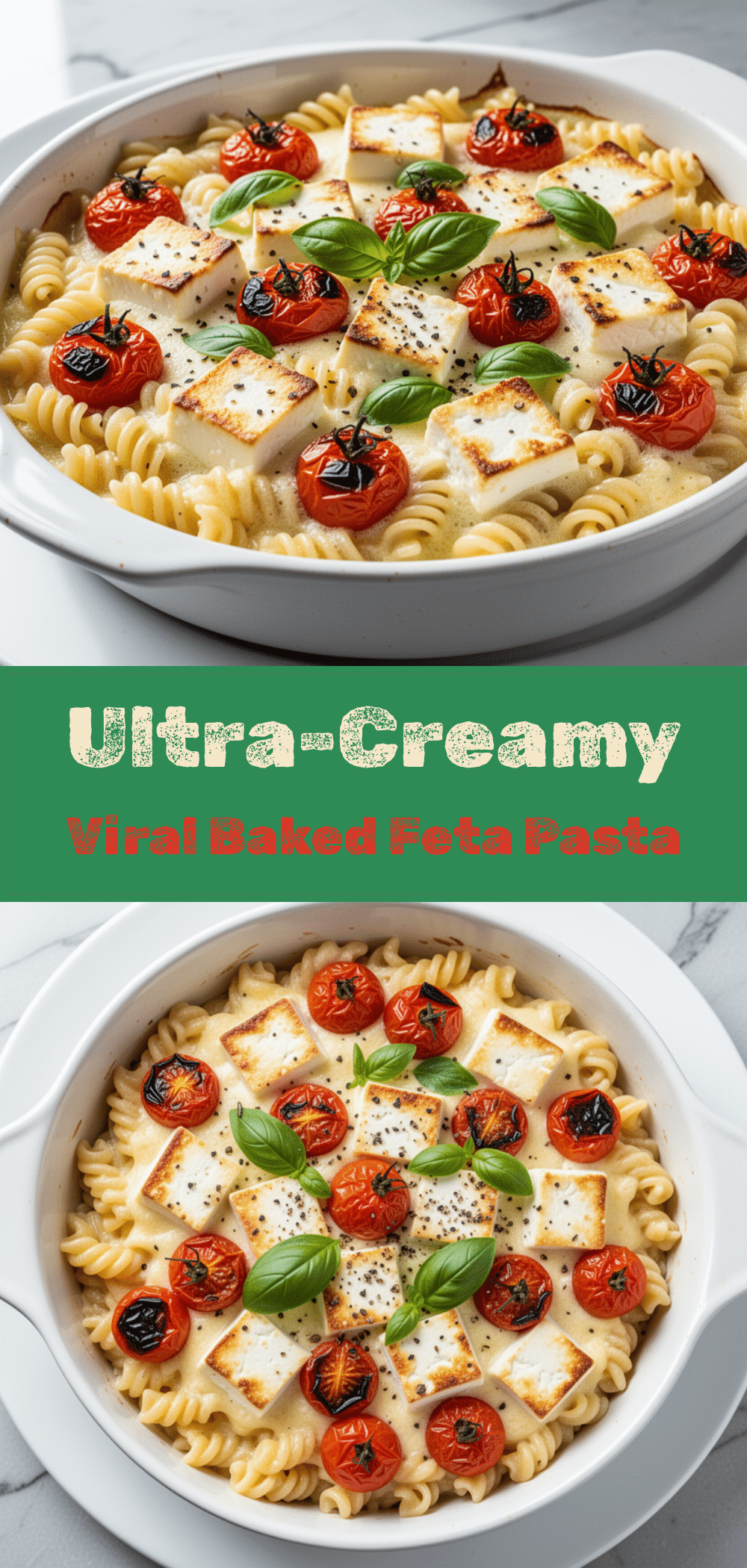
Ultra-Creamy Baked Feta Pasta: Easy Weeknight Dinner
- Total Time: 40 minutes
- Yield: 6 servings 1x
Description
A simple, one-pan vegetarian pasta dish where a block of feta melts with cherry tomatoes and olive oil to create a rich, creamy sauce. Perfect for busy weeknights with minimal cleanup.
Ingredients
- 1 pound penne or rigatoni
- 8 ounces block of feta cheese
- 1 pint cherry or grape tomatoes
- 1/4 cup extra virgin olive oil
- 4–6 cloves garlic, smashed
- 1 teaspoon dried oregano
- 1/2 teaspoon red pepper flakes
- 1 tablespoon salt (for pasta water)
- 1/4 cup fresh basil, chopped
- Reserved pasta water (as needed)
Instructions
- Preheat oven to 400°F (200°C).
- Place the block of feta cheese in the center of a 9×13 inch baking dish.
- Pour cherry tomatoes around the feta, filling in gaps. Scatter smashed garlic cloves around the tomatoes.
- Drizzle olive oil generously over everything. Sprinkle with dried oregano and red pepper flakes.
- Bake for 20-25 minutes until tomatoes are blistered and feta is golden brown.
- While baking, bring a large pot of salted water to a boil. Cook pasta until al dente.
- Reserve 1 cup of pasta water before draining the pasta.
- Remove baking dish from oven. Mash feta and tomatoes together with a large spoon until creamy. Add a splash of reserved pasta water if too thick.
- Add drained pasta to the baking dish and toss to coat evenly. Adjust consistency with more pasta water if needed.
- Top with fresh basil and serve immediately.
Notes
Use a solid block of feta, not crumbled, for the best creamy texture. Save the starchy pasta water to help emulsify the sauce. If the feta is too salty, rinse the block under cold water for 30 seconds before baking. This dish does not freeze well due to the dairy content.
- Prep Time: 10 minutes
- Cook Time: 30 minutes
- Category: Main Course
- Cuisine: Italian
Nutrition
- Serving Size: 1 serving
- Calories: 420
- Sugar: 3
- Sodium: 380
- Fat: 18
- Saturated Fat: 10
- Carbohydrates: 48
- Fiber: 2
- Protein: 15
Keywords: baked feta pasta, weeknight dinner, vegetarian pasta, one pan meal, easy dinner, creamy pasta, feta and tomatoes